
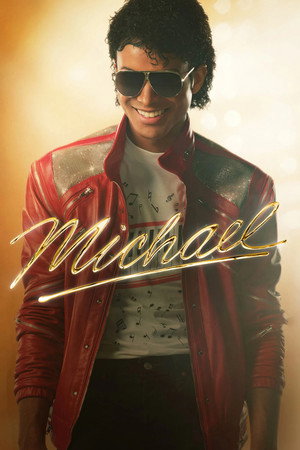
Michael (2026)
The story of Michael Jackson, one of the most influential artists the world has ever known, and his life beyond the music. His journey from the discovery of his extraordinary talent as the lead of the Jackson Five, to the visionary artist whose creative ambition fueled a relentless pursuit to become the biggest entertainer in the world, highlighting both his life off-stage and some of the most iconic performances from his early solo career.

3.8 / 5
PopScore

Incluvie Stamps
Representation
Incluvie Movie Reviews
Bheema Bachus
April 24, 2026
3.5 / 5
PopScore
Incluvie Stamps
“Michael” and the Tension of Lacking Tension
Michael comes in a long line of musical biopics, from A Complete Unknown, to Elvis, to Bohemian Rhapsody. This is one of the defining subgenres of our generation. Perhaps one of the reasons for that is that these films can be described using three words: easy lay-up.
It is not hard to make a musical biopic that pleases audiences and draws a profit. Michael is no exception. The music? Excellent, but of course, it’s Michael Jackson. The visuals? Dazzling in the big spectacle scenes while appropriately damp in the more dramatic scenes. But of course, it’s Michael Jackson. Is the protagonist likable? Absolutely, but of course, it’s Michael Jackson (brought to us by the Jackson estate). If there is an antagonist, is he easy to cheer against? Absolutely, but of course, it’s Joe Jackson. It would be easy to continue listing aspects of the film that are predictably effective.
But, does it matter that the film was easier to get right than some massive risk? Does it matter that this film doesn’t reach the heights of A Complete Unknown or The Smashing Machine in terms of what a biopic is capable of? Maybe to each individual, but probably not to the general fan consensus of the film, and certainly not to the profitability of the film.
The easiest lay-up that this film had was representing racial diversity. Michael Jackson was and is a black icon in pop-culture and beyond. With the film’s focus on his family, especially his relationship with his father, black representation is everywhere in this film, and there are at least some scenes where Michael Jackson’s role as a visible black pop-icon in an evolving country is discussed. There aren’t a lot of other types of diversity on display in this film, and avoiding the subject of Michael Jackson bleaching his skin feels like a missed opportunity, but in terms of what this film needed to get right, it succeeded.
Where this film possibly misses an easy lay-up the most is representing some of the many diverse aspects of Michael Jackson’s life. This film oscillates between a heavy focus on the relationship between Michael and his father, and on the other hand, basically being a greatest hits music video. Most of the rest of the film is composed of the parts of his life that will make the audience feel warm and fuzzy inside. That will be enough for most people, but some will certainly be asking, “what about his creative process? What about how he grew up as a Jehovah’s Witness? What about the allegations later in his life?”
It has been reported that some of these more controversial aspects were originally filmed for this movie, but were later abandoned due to legal reasons. This probably lends itself to the absolute worst aspect of the film, which is the ending. The film ends in 1988. That is not a joke. It’s also not a spoiler, as there’s barely anything to spoil. The film just ends in the middle of the story and on-screen text reads: “HIS STORY CONTINUES.” (In what? Avengers: Doomsday?)
Pictures and Videos

Movie Information
The story of Michael Jackson, one of the most influential artists the world has ever known, and his life beyond the music. His journey from the discovery of his extraordinary talent as the lead of the Jackson Five, to the visionary artist whose creative ambition fueled a relentless pursuit to become the biggest entertainer in the world, highlighting both his life off-stage and some of the most iconic performances from his early solo career.
Rating:PG-13
Genre:Music, Drama
Written By:John Logan
In Theaters:4/24/2026
Box Office:$1,028,703,388
Runtime:128 minutes
Studio:Lionsgate, GK Films, Optimum Productions
Cast
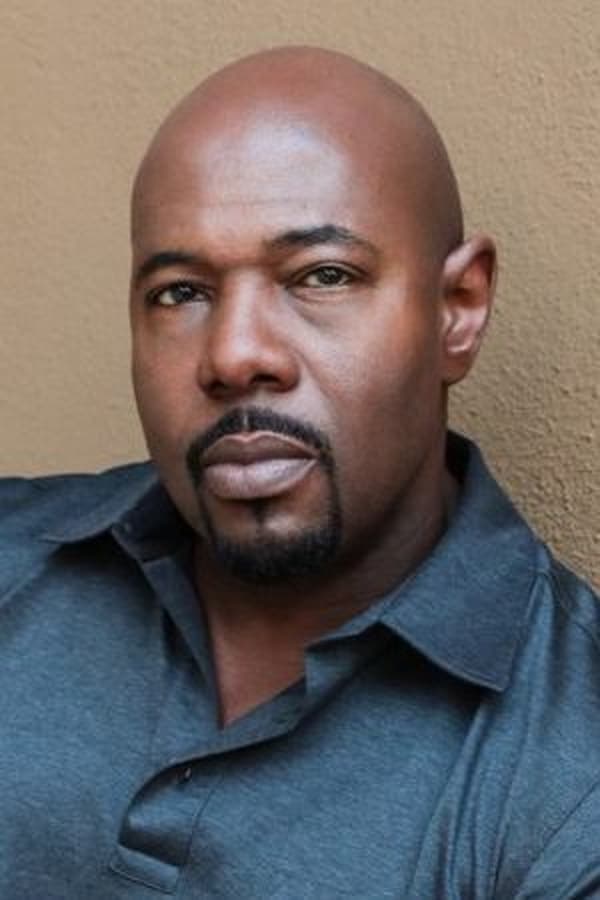
Antoine Fuqua
Director

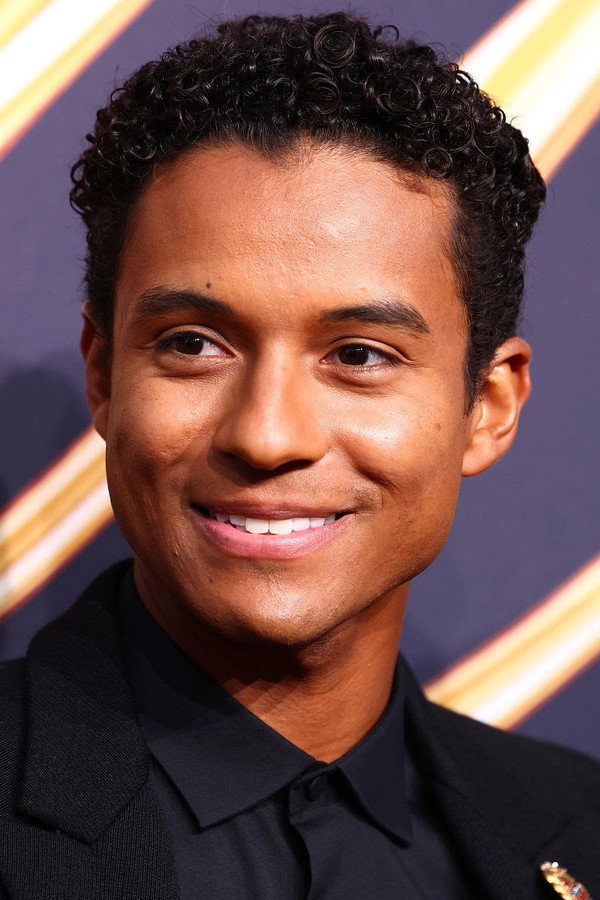
Jaafar Jackson
Michael
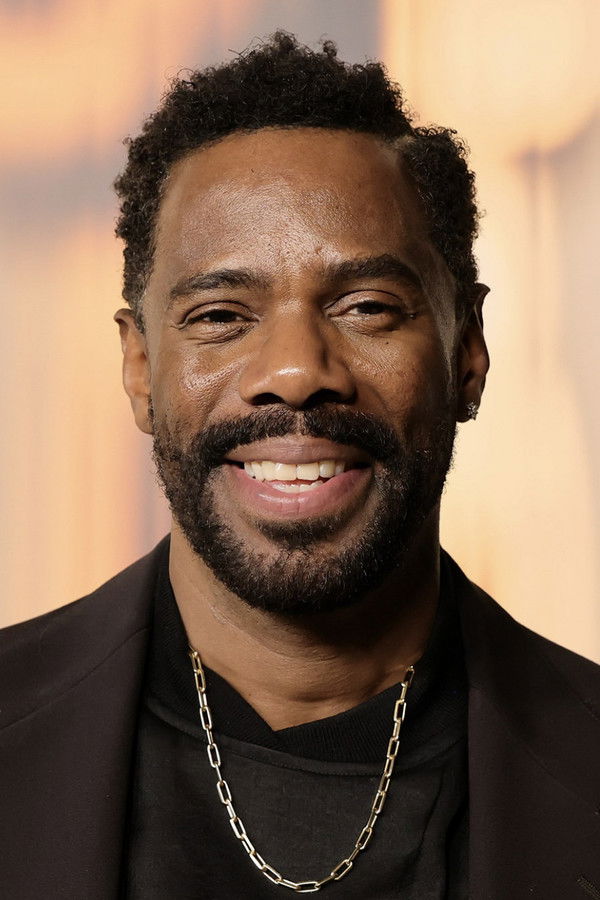
Colman Domingo
Joseph Jackson
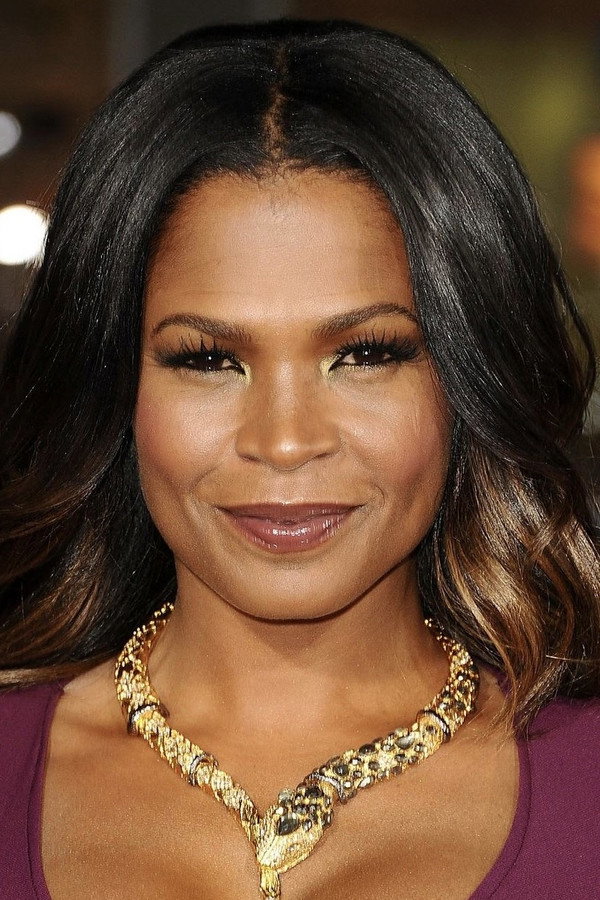
Nia Long
Katherine Jackson

Juliano Krue Valdi
Young Michael

KeiLyn Durrel Jones
Bill Bray

Miles Teller
John Branca

Larenz Tate
Berry Gordy

Laura Harrier
Suzanne de Passe

Mike Myers
Walter Yetnikoff
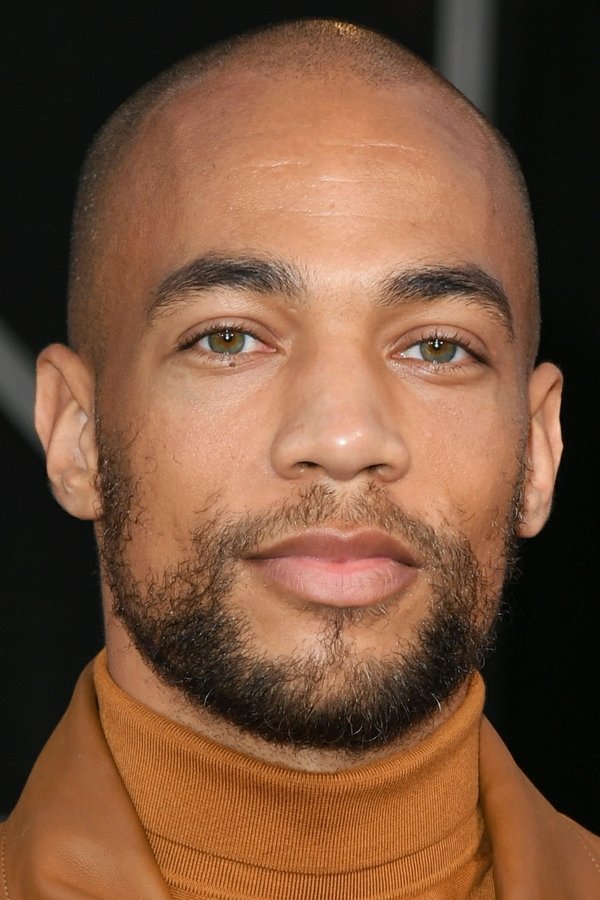
Kendrick Sampson
Quincy Jones

Trey Horton
Marlon Jackson
Articles You May Like
"Mile End Kicks": Filled With Nostalgia, But Was Not Memorable
Released on Netflix this last July, Mile End Kicks, catches the eyes of those who are wanting to escape the disasters of 2026 and visit the era of peak Tumblr, unforgettable music hits, and iconic fashion trends—-of 2011. This coming-of-age film directed by Chandler Levack succeeds at portraying an accurate representation of what life was like in the early 2010’s.
Is Love Blind? No! I Don't Think It Is.
Love is Blind Season 2 is the perfect reality show to tie a viewer over until the next season of Bridgerton. Check out Love is Blind Review Season 2
Best Japanese Anime Films to Watch
Want a list to watch some of the best Japanese anime films of all time? Check out this article which presents some anime films that will keep you glued to your couch!
“Madeline’s Madeline” and the Exploitation of Actresses
This emotional, frightening, and dreamlike story examines the ways actresses are exploited in the name of art.
Docunight Presents: Iranian Women's Stories
Four documentaries, now streaming on the Criterion Channel, embody the adopted slogan of the current protest movement: Woman, Life, Freedom