



Incluvie – Better diversity in movies.
Identity in film with Incluvie stamps, scores, reviews.

Incluvie – Better diversity in movies.
Explore identity in film with Incluvie stamps, scores, reviews, and insights.

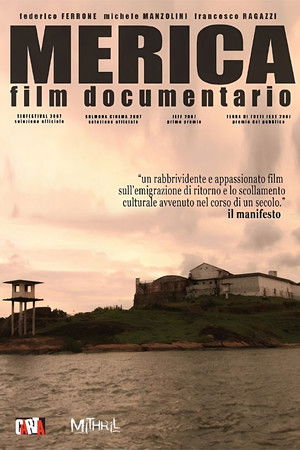
Merica! poster

Merica! 

25 million Brazilians are of Italian origin. Almost all of them are the descendants of the Italians who left poor rural Italy at the end of the 1800's for a continent which promised riches and a better life. After only a century however, the direction of migration has been completely reversed. Italy, a century ago the place to escape from, has in time taken its place in the first world, the longed for final destination of immigrants throughout the world. The only thing which does not seem to change is the plight of those forced to migrate.
- / 5
PopScore
Representation

Pictures and Videos


Incluvie Gala

Movie Information


25 million Brazilians are of Italian origin. Almost all of them are the descendants of the Italians who left poor rural Italy at the end of the 1800's for a continent which promised riches and a better life. After only a century however, the direction of migration has been completely reversed. Italy, a century ago the place to escape from, has in time taken its place in the first world, the longed for final destination of immigrants throughout the world. The only thing which does not seem to change is the plight of those forced to migrate.

Rating:
Genre:Documentary
Written By:Michele Manzolini, Federico Ferrone, Francesco Ragazzi
In Theaters:
Box Office:

Runtime:65 minutes
Studio:Mithril Production, Vezfilm

Articles You May Like


Y tu Mamá También: A Profound Exploration of Mexican Society and Self-Discovery

Years before Mexican director, Alfonso Cuaron, was winning Academy Awards for movies like Gravity (2013) and Roma(2018), he directed a small, intimate film about two best friends who decide to embark on an improvised road trip to spend time with an older, attractive woman who miraculously agrees to go with them. Y tu Mamá También is a deep journey into the raw sexuality and friendship of the young protagonists, as well as a subtle social and political commentary on Mexico at the time.

Raul Flores