'You People' is as Glossy and Uneven as its Predecessors
Another uneven "Guess Who's Coming to Dinner" redux that says nothing novel about its subject matter.




Reporter Nicholas Ranson is jubilant when, on 17 Dec 1903, in Kitty Hawk, North Carolina, Orville and Wilbur Wright take their first airplane flight. Back home in Underwood, Maryland, however, his uncle Hiram F. Jenkins, owner and editor of the local newspaper, refuses to print the story. Nicholas quits and continues to work on his own airplane, with the devoted help of his little daughter Peggy. Peggy is actually the first in her family to fly when her friends, Patrick Falconer and Scott Barnes, induce her to get inside a large kite they have made, and run with it in a field until she is airborne. The kite is caught in a tree, however, and Peggy gets a black eye. Later, Nicholas dies when his experimental airplane crashes, leaving his wife and children alone. By Peggy's adulthood, planes are capable of flying at an altitude of 11,000 feet, and speeds of nearly 100 m.p.h. Peggy continues her father's obsession with flight by helping Scott and Pat to build a plane.
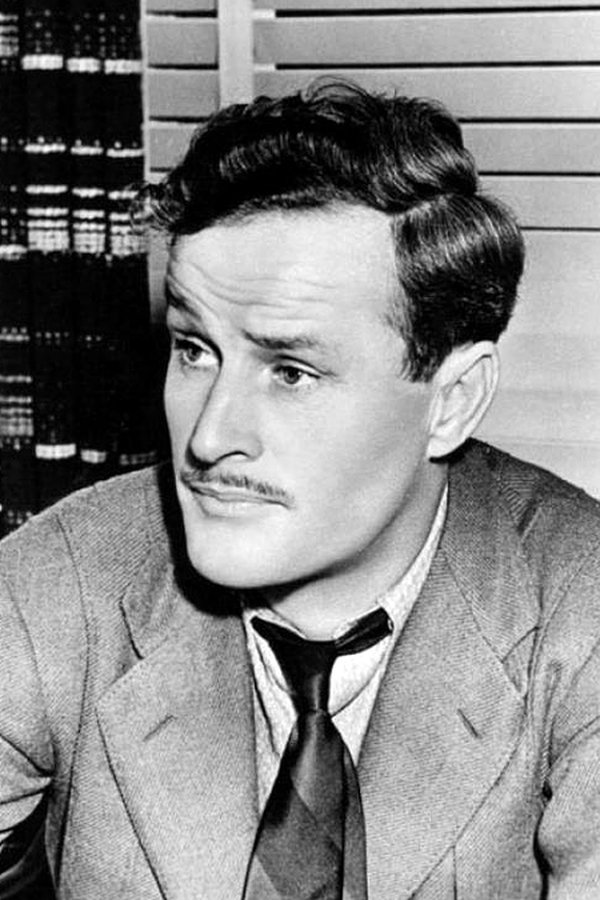
William A. Wellman
Director


Fred MacMurray
Pat Falconer

Ray Milland
Scott Barnes

Louise Campbell
Peggy Ranson
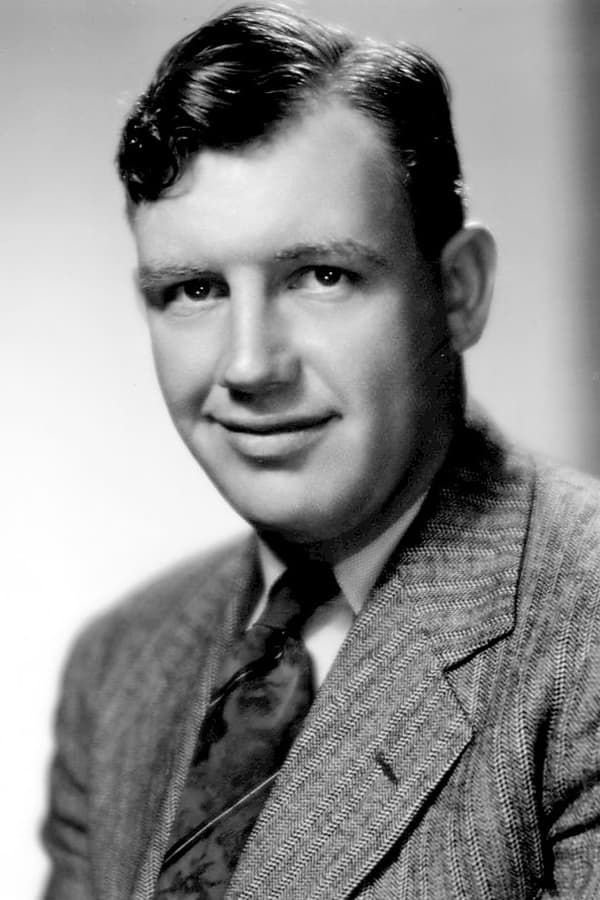
Andy Devine
Joe Gibbs

Lynne Overman
Hank Rinebow
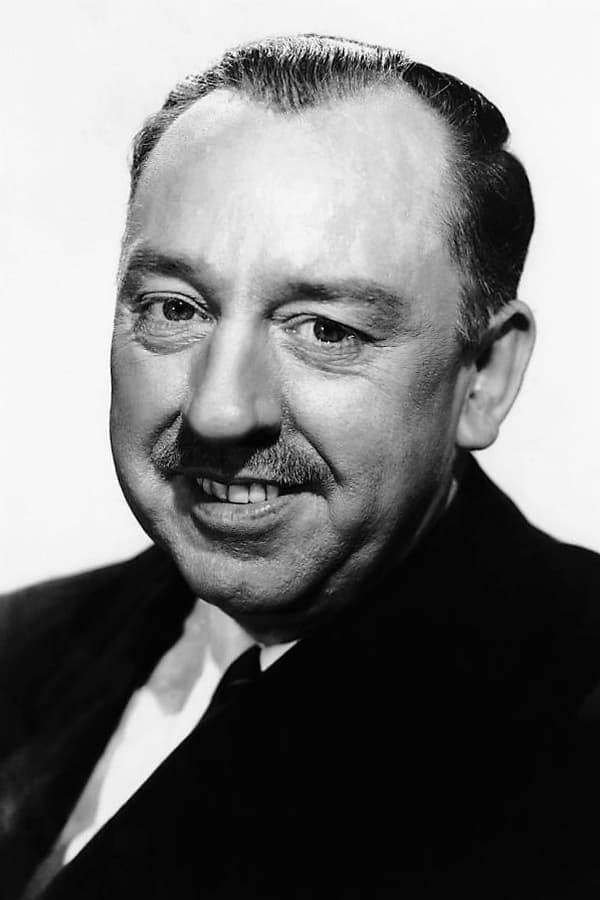
Porter Hall
Hiram F. Jenkins

Walter Abel
Nick Ranson

Kitty Kelly
Martha Ranson

Virginia Weidler
Young Peggy Ranson

Donald O'Connor
Young Pat Falconer
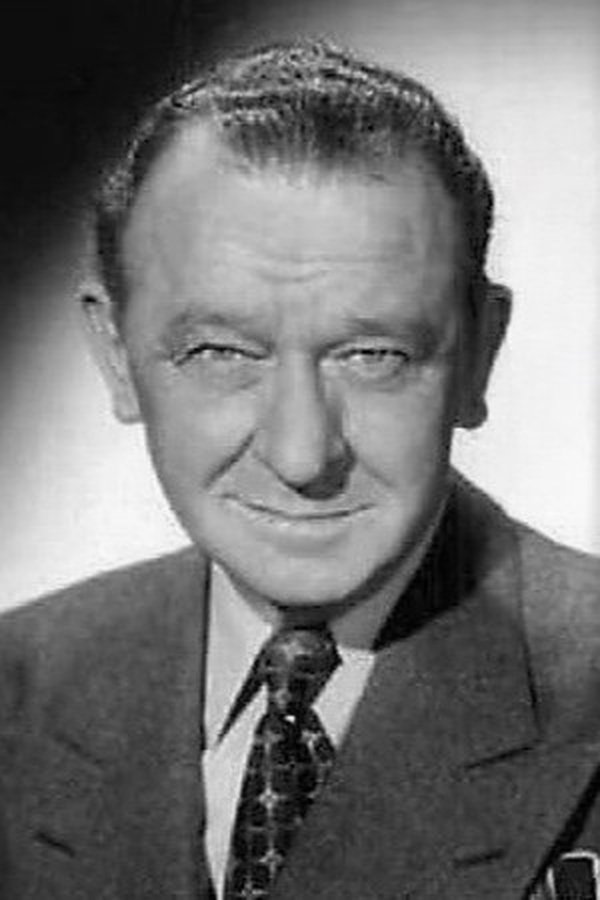
James Burke
J.A. Nolan
Another uneven "Guess Who's Coming to Dinner" redux that says nothing novel about its subject matter.
Although Fargo is not actually based on a true story, I do believe it is worth the watch. It has drama, suspense, and a mysterious figure to keep you engaged.
'Young Royals' is a great example of positive gay representation in its two main protagonists, but the supporting characters are often frustratingly selfish.
When they’re young, they’re America’s darlings but, when they become teens and adolescents, they’re instantly perceived as harbingers of immorality. They’re Lindsay Lohan, Macaulay Culkin, Justin Bieber, and Britney Spears. But, despite what many media outlets, politicians, and the general public may think, they are human beings above anything else. The new Billie Eilish documentary, Billie Eilish: The World’s A Little Blurry, proves this — showing the trials, tribulations, and humanity when growing up with all the world’s eyes on you.
The French-born director Laure de Clermont-Tonnerre’s strategic choice to entrust the interpretation of a conventional, feminine character to a non-binary actor pays off: Corrin’s Lady Chatterley is awkward, edgy, and uninhibited at the same time.
Our protagonists perform as the opposite gender while still preserving the parts of their personalities that makes themselves who they are.