






Once Upon a Time in (White) Hollywood
Tarantino's alternative history of the 1960's uncritically repeats the era's sexist and racist stereotypes.
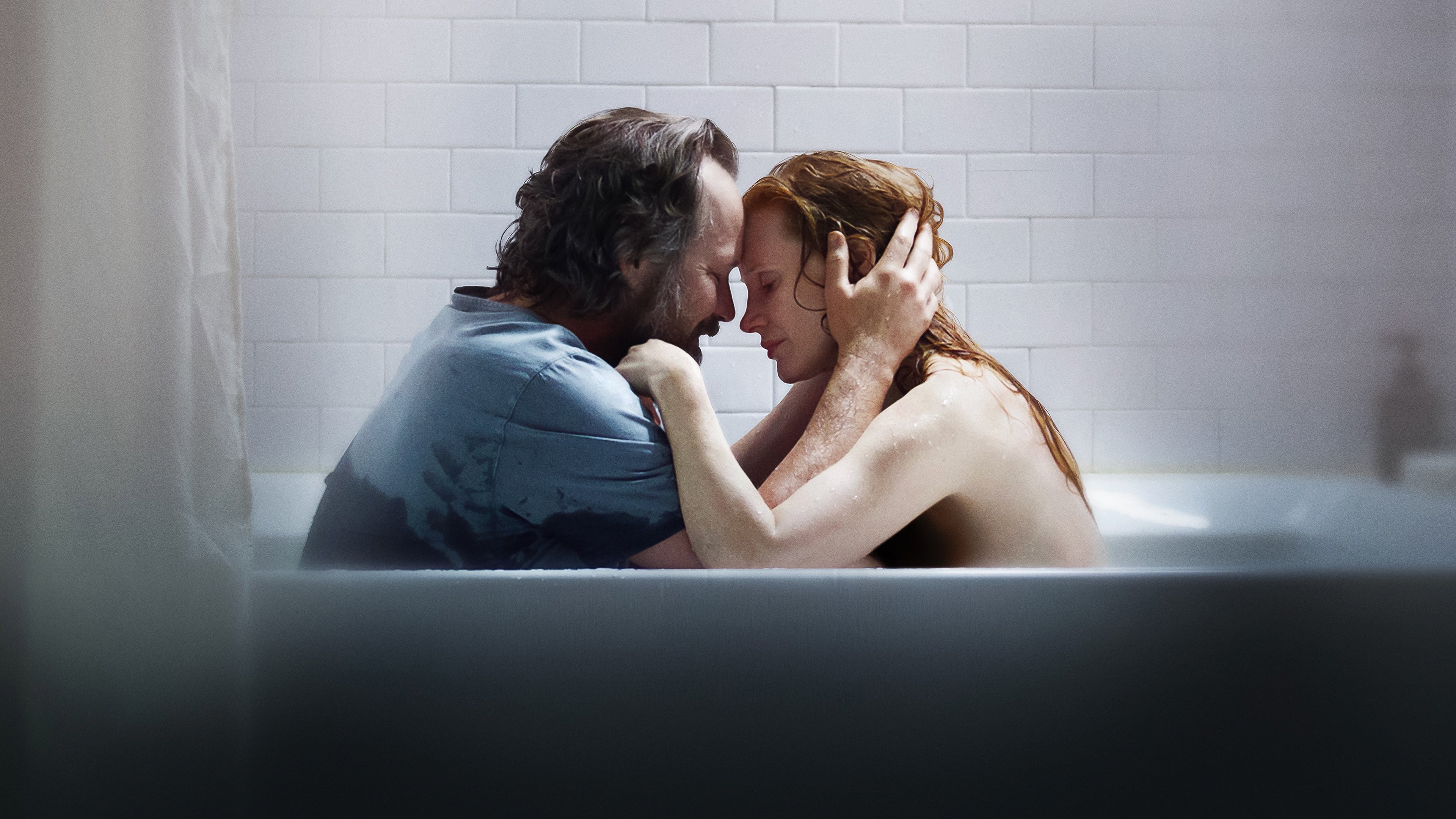


Sylvia is a social worker who leads a simple and structured life: her daughter, her job, her AA meetings. This is blown open when Saul follows her home from their high school reunion. Their surprise encounter will profoundly impact both of them as they open the door to the past.
Tarantino's alternative history of the 1960's uncritically repeats the era's sexist and racist stereotypes.
At least we got the original cast back, right? Not even that saves it. None of them could bring a sliver of hope to this special. Rather, they bring dread as we witness the light leaving from their eyes.
We, the Jane Austen aficionados, are suckers for everything and anything under the sun that’s remotely related to her and her world. That’s because we are so drawn to her unique style of fiction, romance, and social commentary, we take any allusion to her influence as a hint to what to expect when we start watching a movie or reading a book.
At 2:17 a.m., every child in a third-grade class wakes up, leaves their home, and disappears into the darkness—except one. The next day, teacher Justine Gandy discovers that Alex Lily is the only student left, while the rest have vanished without a trace. Did Justine have something to do with it, or is a far more sinister force stalking the town, targeting not just children, but anyone in its path?
I’m disappointed in The Woman in Cabin 10, but that’s at least in part because of my love of Ruth Ware’s novel.
The 2019 film, Vai, takes us through eight stories across the islands of Oceania. The settings are unbelievably beautiful, the cast is beautiful, the languages are beautiful, and the stories are beautiful…but heartbreaking.