
"The United States Vs. Billie Holiday" Dilutes Lady Day
An artistic approach to the impact of Billie Holiday’s “Strange Fruit”.
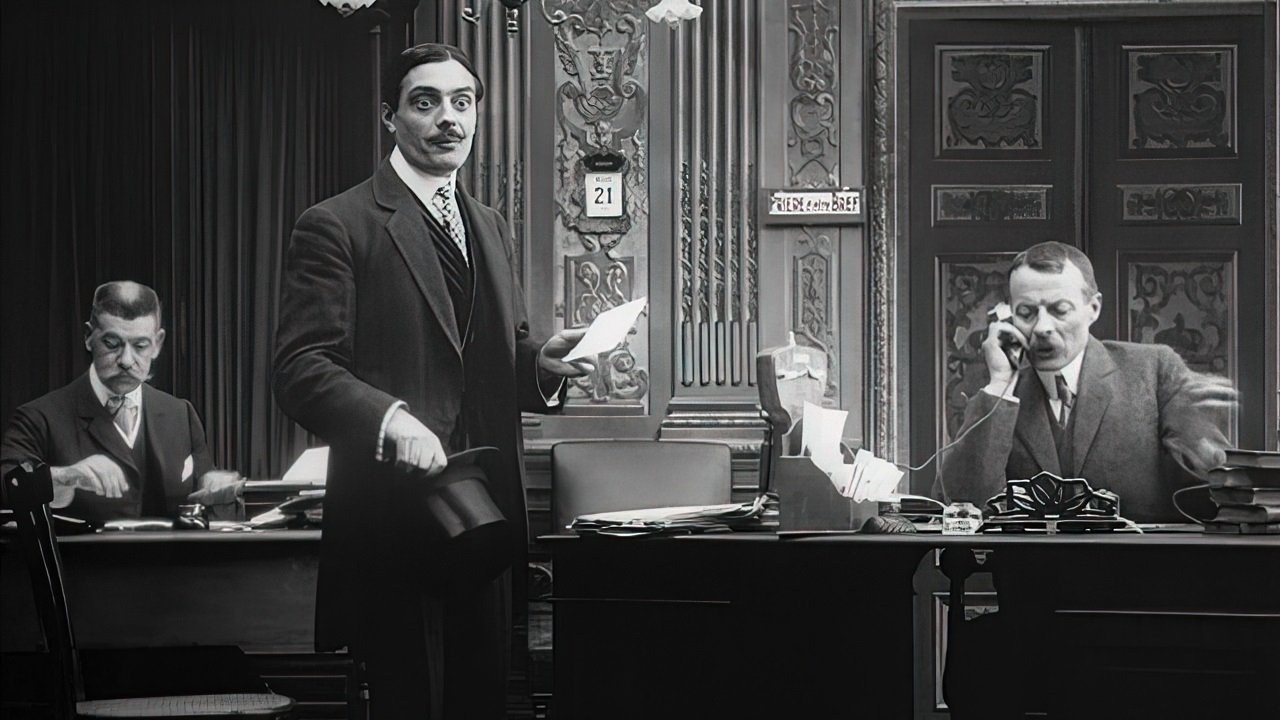



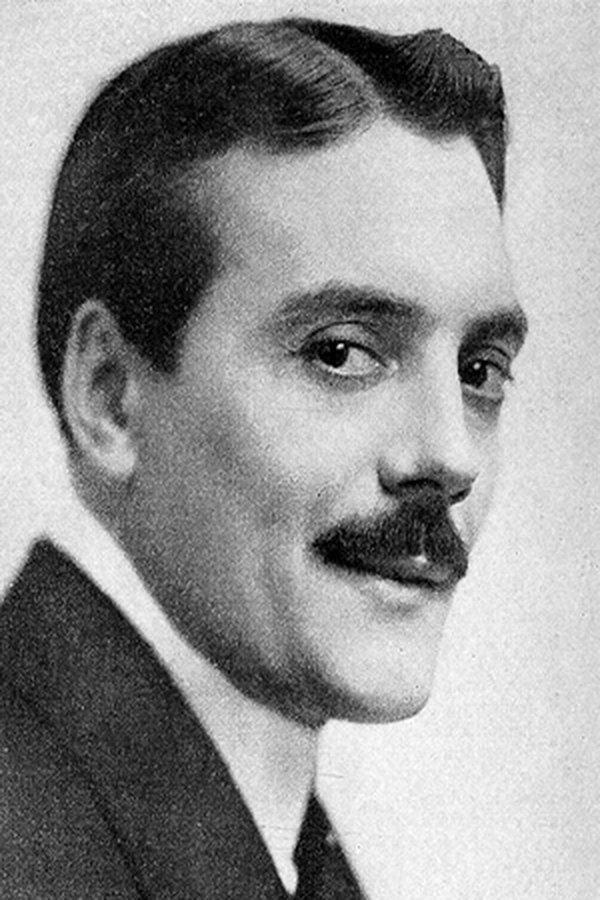
Max presents himself with a letter of introduction to Mr. Charles Pathé. He is then passed from hand to hand until he finds himself facing a director who has him do a few tests: singing, dancing, performing a somersault, receiving a slap. Some time later, he is summoned for a screen test. We then see him at odds with his wife and especially his mother-in-law, who end up throwing him out of a window and then successively hurling a table, a wardrobe, a mattress, etc., at him while he is being filmed. Finally, the director asks him to make a face in front of the camera. And that's when Max rebels and turns against his tormentors.
An artistic approach to the impact of Billie Holiday’s “Strange Fruit”.
April, a professional dancer, reluctantly trains a group of girls at a dance school for the dance competition.
I think these messages and the way they are presented in this small-town in Texas are increasingly more important as the internet/ social media becomes more and more critical and judgemental every day. Love yourself today and every day because as Ru Paul always says: “If you can’t love yourself, how in the hell are you gonna love someone else?”
The social issues The Half of it takes on are handled well, between the antagonization brought on to Ellie for her race and the conflict that arises from her being gay. Both aspects of her character are built up over the course of the film and don’t seem abrupt or rushed. The film shows racism towards Ellie and her and father in varying levels, from having her schoolmates specifically address her as "Chinese girl” to the fore mentioned way her Dad is treated due to language barriers. The same can be said about Ellie being a lesbian. While she never truly “comes out” in the narrative, that does not undermine her journey of self-discovery from being meaningful. These ideas aren’t thrust upon the viewer in a preachy manor, the scenarios that occur feel believable given the rural setting. The film presents watchers with problems whom those like Ellie may face, and leaves us to sit with them and reflect.
This sports drama movie is centered around an Asian American boy named Chang.
This short film was an overall creative success.