







'Shang-Chi' Delivers Epic Superhero Action and Positive Asian Representation
Marvel’s first Asian superhero film, 'Shang-Chi', deserves praise for balancing epic superhero action, a heartfelt family plot, and positive Asian representation.

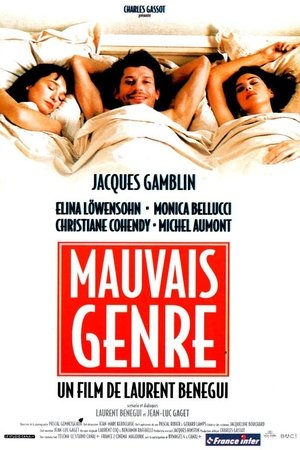


The film's title is a pun, the double meaning referencing both the "wrong genre" and a person with distasteful motives. Insecure novelist Martial Bok promotes his new sexy novel La Fille de Dos ("Girl Observed From the Rear") with a round of book-signings and talk-shows. When beautiful hat designer Camille buys the book, Martial follows her and spies on her as she reads his book and removes her clothing. It's the beginning of his obsession and also an inspiration. After Martial's live-in girlfriend Lucie establishes contact with Camille for real, Martial is able to type out another sexy manuscript.
Marvel’s first Asian superhero film, 'Shang-Chi', deserves praise for balancing epic superhero action, a heartfelt family plot, and positive Asian representation.
The idea of Rosemary's baby but with lesbian partners drew me in, and I was anticipating what the film had in store with its reimagining. Unfortunately, it all felt a little too vague to leave an impact.
On top of the phenomenal acting, and great dialogue between the two characters, the cinematography was ravishing! The sound was outstanding! The production design was simple, yet intrinsic. The minimalistic approach in the Malibu beach house represented how little they really have going on in their relationship. The storyline may have been much simpler than "Who's Afraid of Virginia Wolf," but all the more insightful, and much more animalistic at its core.
I first saw Dear Evan Hansen on the Broadway stage. Apparently, I was so blown away by the magic of theater that I didn’t pick up on the questionable dynamics. The story's clumsy handling in the movie brought those issues to light.
Upon first watch, Buddy feels like it should have been aired on Adult Swim at four in the morning.
There’s enough evidence to insinuate that What We Do in the Shadows is intentionally queer-coded.