
Gretel & Hansel Gets Lost in Its Beautiful Woods
Gretel & Hansel falters due to its razor thin story and lack of characterization. It loses sight of horror’s key rule: In order to create an effective tale, characters and emotions must be emphasized.

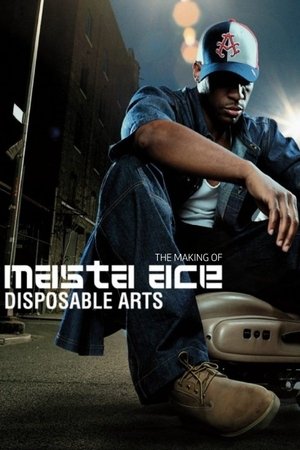


Originally released in 2001, Disposable Arts is a thematic/concept album by Masta Ace. The concept follows that Masta Ace is being released from prison, his return to home and joining ‘The Institute of Disposable Arts’. The album is one complete story with the skits and songs together. The album contain many guest artists like Masta Ace’s own group eMC (Stricklin, Punchline & Wordsworth), Apocalypse, Greg Nice, Rah Digga, J-Ro, King T, Jean Grae and more. Also a bunch of different producers, this album is seen as a classic album by most Hip Hop heads. This reissue by Below System, contains almost a 2 hour making of DVD where you will see most of the contributors to the Disposable Arts album. Interviews, stories behind the tracks and more content about the making of Disposable Arts.
Gretel & Hansel falters due to its razor thin story and lack of characterization. It loses sight of horror’s key rule: In order to create an effective tale, characters and emotions must be emphasized.
Although not canonically aromantic or asexual. the stories and personalities of these Disney princesses resonate with members of the aroace community.
Few movies deal with aging (particularly aging women) with as much compassion as Relic does. Yet it’s not sickly sweet and not a soapbox rant against ageism. Relic simply is, allowing the horror to seep in quietly and carefully.
Disney has kept its word and allowed a new generation of Black and/or African storytellers to tell their own original stories. The question remains, will the public keep their word?
Knives Out doesn’t just defy the whodunit narrative, it uses the weaknesses to its advantage. It’s well aware of the genre’s faults and tropes
The Super Mario Galaxy Movie comes on the heels of its billion-dollar grossing predecessor, and seeks to do absolutely nothing other than repeat its success. In this, the film is eminently effective. If you have seen the previous film, you can expect something extremely similar in this package. That is, a barrage of references to Nintendo intellectual property wrapped in a plot that provides the thinnest layer of emotional payoff for the characters.