
The Women and the Murderer: Made by Women for Women
In The Women and the Murderer, directors Mona Achache and Patricia Tourancheau center women—the very demographic true crime is designed to appeal to.
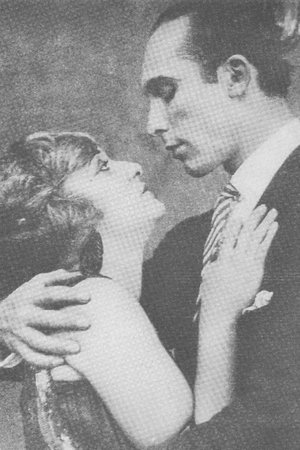


Martín Rivas is a 1925 Chilean silent film, the fourth film of Carlos F. Borcosque.
In The Women and the Murderer, directors Mona Achache and Patricia Tourancheau center women—the very demographic true crime is designed to appeal to.
We're in the midst of July, the month in which Americans are supposed to be at their most patriotic! With barbecues, beach trips, and fireworks galore, this is the month where we celebrate our country. For Incluvie, that primarily means diving into the wonderful "melting pot" of the diversity of American film! In between celebrating and feasting, it's important to remember the very basis this country is founded on: "liberty and justice for all."
The new biopic 'Elvis' highlights the beginning and end of the career of this rock and roll legend. The audience is taken on this journey knowing the tragic ending but not so much about what led him there. A large topic of discussion is the influences on Elvis that made him who he was as a singer, musician, and performer, which were blues, gospel, and country. Many of the songs that rose him to fame were songs by Black artists he heard growing up in primarily Black settings.
Ever heard of the bad boy type? The type of man who's sexy yet broody, or the type of man who’s dangerous but has a sensitive side? It’s a well-known stereotype that women are attracted to villains. The question is: why are we?
There’s enough evidence to insinuate that What We Do in the Shadows is intentionally queer-coded.
Americans love the British monarchy. This may seem confusing because only a few short hundred years ago they were our worst enemies, and every year we celebrate our independence from them. The Crown humanizes the monarchy, which might explain its popularity.