

Director / Writer Dana Ziyasheva Talks About 'Defenders of Life'
Director Dana Ziyasheva made her directorial debut, 'Defenders of Life' which focuses on the Ngäbe community, and the hardships Ngäbe girls faced in Costa Rica.
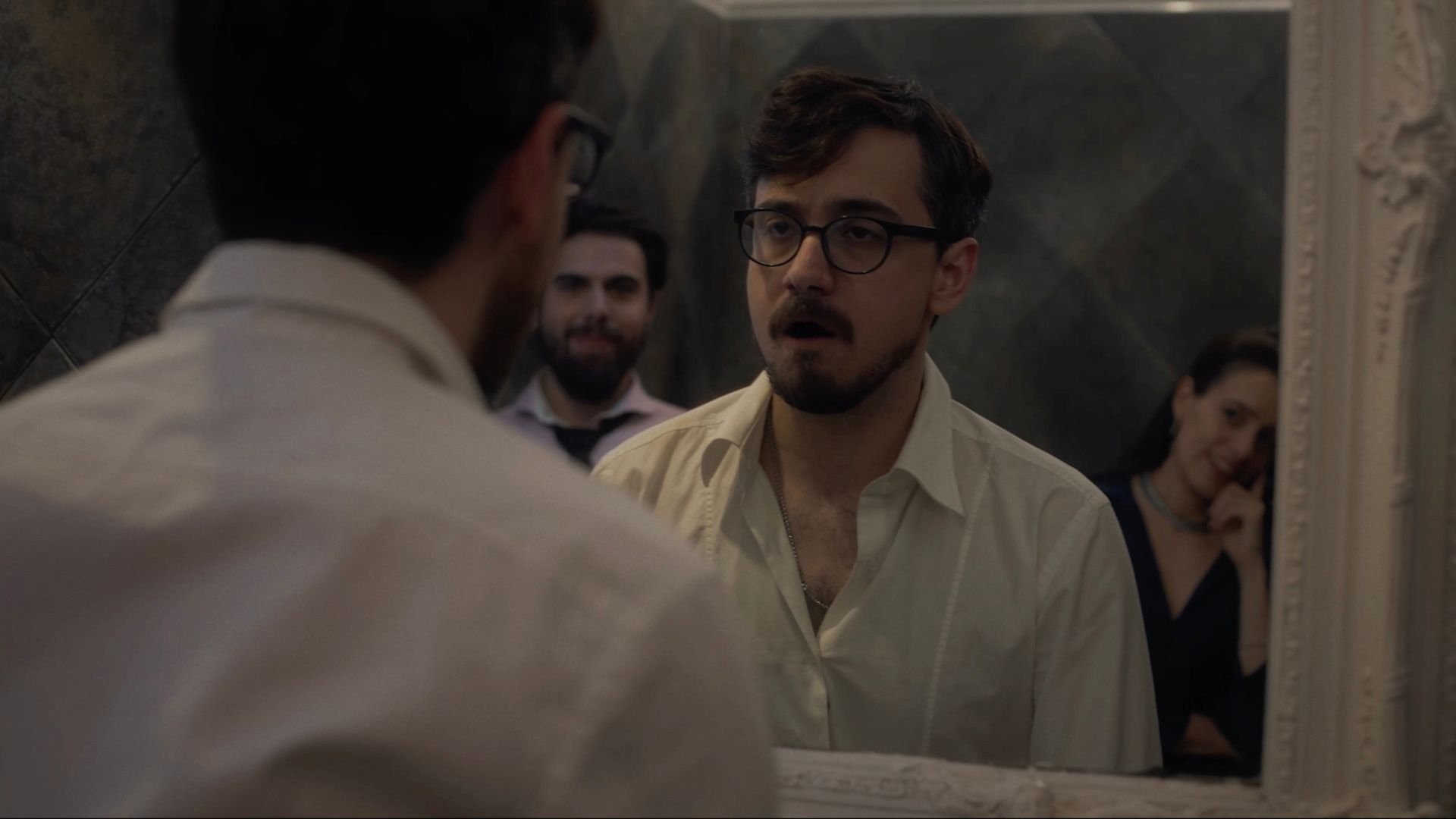



Pía, a writer recovering from a psychiatric crisis, organizes a reunion with former colleagues. Everything changes when Martín arrives, whom no one remembers and whom she believes to be dead. Paranoia or truth? What seemed like delusion could be hiding something real.
Director Dana Ziyasheva made her directorial debut, 'Defenders of Life' which focuses on the Ngäbe community, and the hardships Ngäbe girls faced in Costa Rica.
Netflix’s new rom-com, Voicemails for Isabelle (dir. Leah McKendrick), isn’t just heartwarming, funny, and an achievement in female directing - it’s also an instant classic. Following 20-something aspiring baker Jill (Zoey Deutch), Voicemails for Isabelle tells a story of grief, self-discovery, and fateful connections. Ever since her beloved sister Izzy’s (Ciara Bravo) death, Jill has been leaving her hilarious, extremely TMI voicemails about her chaotic love life and miserable day job as a prep cook. Little does she know that a handsome and unsatisfied real estate agent in her hometown has inherited the number and practically fallen in love with her by listening to her stories.
Taika Waititi and the cast of Thor: Love and Thunder have been hyping up the gayness of this movie, and while there are queer characters, it's not quite the representation we were hoping for.
"Idina Menzel: Which Way to the Stage?" shows viewers how the star became who she is today.
The movie is centered around the title character who goes on a Christmas adventure.
Slytherin is painted negatively for the traits the members of this house embody. Although Slytherin students are ambitious, cunning, and determined, they are more.