






Master: The Horror of Deceptive Racial Politics in Academia
“It's not ghosts. It's not supernatural. It's... It's America. And it's everywhere.”
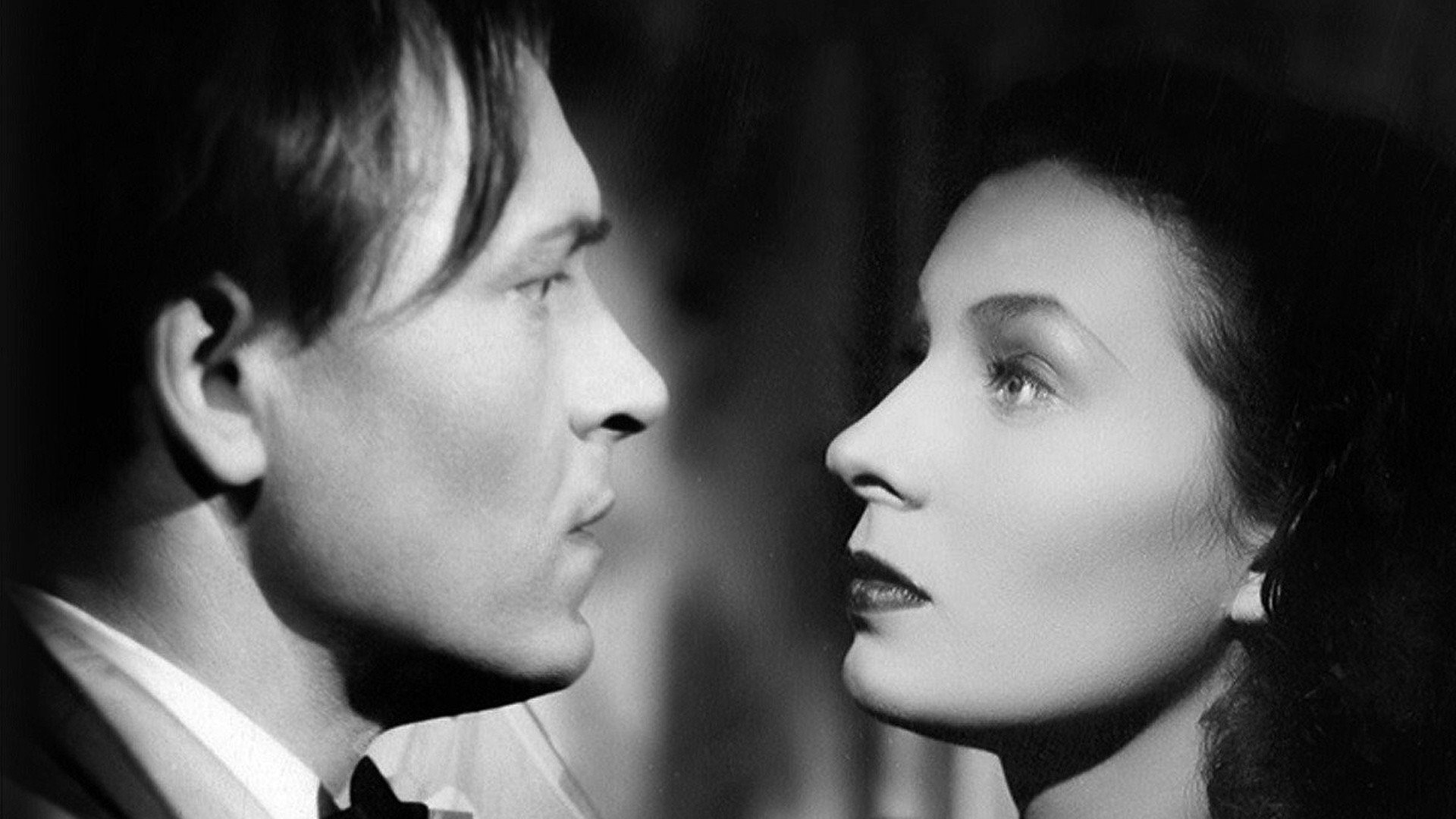
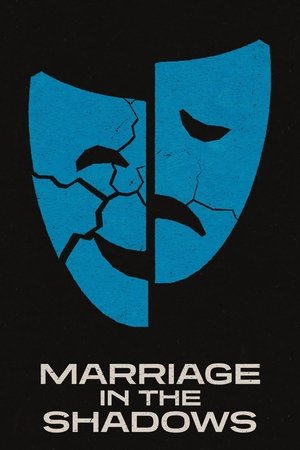


Set during the rise of the Nazi regime, Elisabeth Maurer and Hans Wieland enjoy successful careers as actors in Berlin. Confident in her career, Elisabeth, who is Jewish, ignores the advice of a colleague to leave Germany in the face of increasing anti-Semitism. Believing that he can protect her if she becomes his wife, Hans convinces Elisabeth to marry him. In the following years, as Hans's career thrives, Elisabeth awaits the end of the Nazi terror which bars her from public life. When the situation worsens in 1938 with the Kristallnacht pogrom, Elisabeth decides to leave the country, but Hans, who still believes he can protect her, convinces her to stay with him.
“It's not ghosts. It's not supernatural. It's... It's America. And it's everywhere.”
My Beautiful Laundrette is often referenced as a positive LGBTQIA+ film because our two main characters are in a homosexual relationship with no shame, fear of violence or criticism. The struggle is not their sexuality. It is the treatment of the Pakistani citizens in England.
The Gates, John Burr’s new thriller film, is a disturbingly realistic portrayal of three Black twenty-somethings - Derek (Mason Gooding), Kevin (Algee Smith), and Tyon (Keith Powers), as they accidentally take a wrong turn into a gated community that’s more like a modern-day sundown town. The three friends witness a variety of crimes in their new surroundings, including an attempted homicide and an attempted rape. As they attempt to alert the authorities and do the right thing, they are thwarted at every turn by the worst horror stories of American conservatism - racist white suburbanites, reckless gun violence, corrupt police, religious mania, and a megalomaniacal pastor.
A sweet slice-of-life anime that visualizes all the ways we creatively hide our vulnerabilities from the world.
It doesn’t offer an absolute answer for the dialectical ethical questions that emerged in search of justice but portrays the characters as living people beyond the identities of victims.
'The Lost Daughter' doesn't paint over the choices Leda and Nina make as mothers as right or wrong but examines the messy in-between.