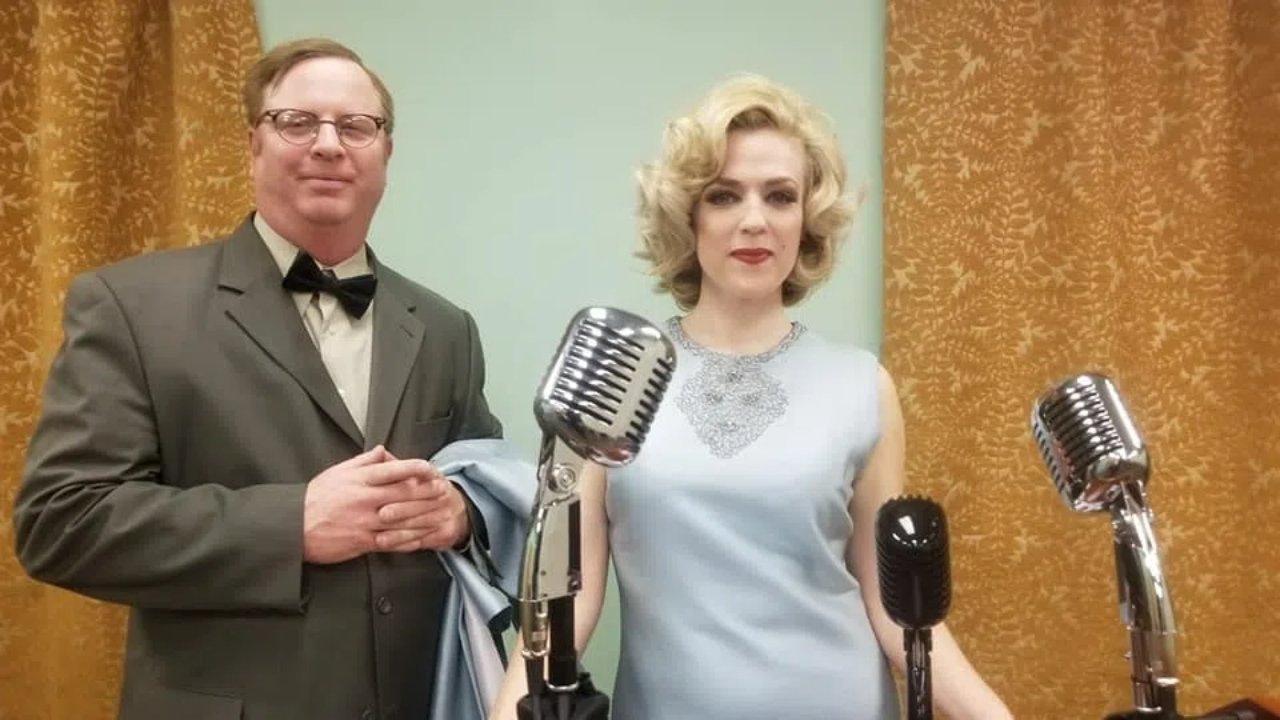

Marilyn Monroe's Last Press Conference (2022)
Amid swirling, salacious rumors, Marilyn Monroe schedules a "tell-all" press conference. She's found new purpose after meetings with President Kennedy and Fox Studios mogul Darryl Zanuck. Powerful conspirators, however, want her silenced.

- / 5
PopScore
Representation
Pictures and Videos

Movie Information
Amid swirling, salacious rumors, Marilyn Monroe schedules a "tell-all" press conference. She's found new purpose after meetings with President Kennedy and Fox Studios mogul Darryl Zanuck. Powerful conspirators, however, want her silenced.
Rating:
Genre:Drama
Written By:Frank H. Cutler
In Theaters:3/18/2022
Box Office:
Runtime:62 minutes
Studio:Thunderbolt Alley Film




Articles You May Like
'65' is the Latest Dinosaur Flick in a Jurassic World
"65" (2023) is the latest Dino flick to try and answer "what else can we do with dinosaurs?"
In The Heights: The Case for Diversifying Diverse Films
In the film adaptation, director Jon M. Chu turns each musical number into a massive show stopper, with grand set pieces and a wealth of diverse dancers. Yet, in this attempt to show reverence for the people of the Washington Heights barrio, Chu, or maybe more specifically those in charge of casting, left out a crucial part of the community, Afro-Latinos.
New Documentary "Pretty Ugly" Tells the Story of The Lunachicks
As one of the women said in the film, friendship in your teens is “as important as any lover” and it’s clear they lived that philosophy throughout their early adult lives as well.
Is She Really "Sightless" or Can She See Better Than Most?
As a whole, Sightless pushed boundaries between illusion and reality. It made viewers question if there really is a difference. Ellen was strong, brave, and even compassionate given her situation. She was a force to be reckoned with.
'Meander': A Film About Mental Health With a Touch of Gore
Meander, released in 2021, is a French gory horror film featuring a woman trapped in small spaces as she fights for her life, paralleling real pandemic life.