








Gemini Man Review: A Poor Utilization of a Promising Cast
You can have the best filmmaker and cast in the world, but if the script is lacking, you’re in a troublesome state. Such is the case with Gemini Man, a film full of tremendous artists.
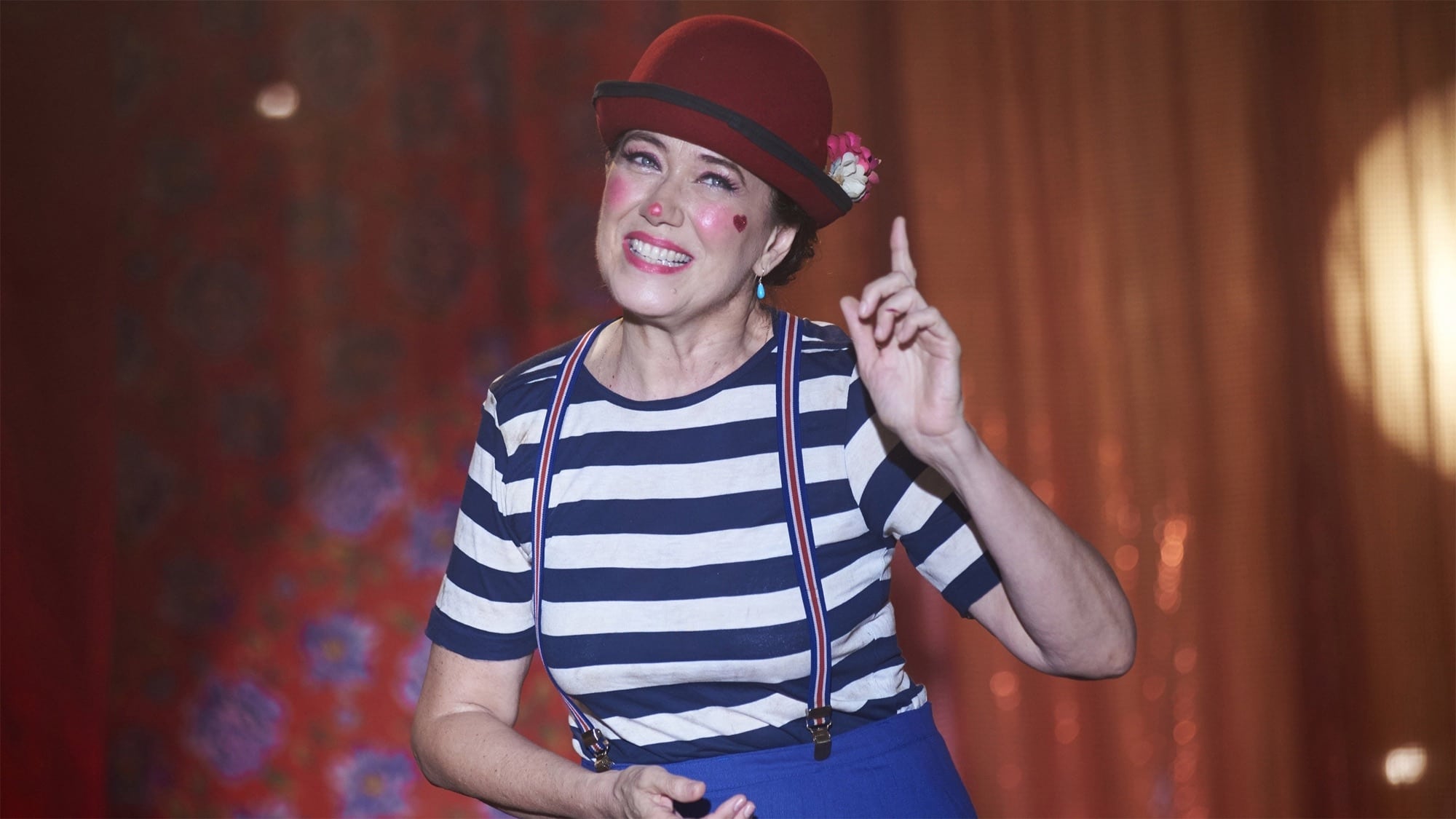



Maria, a virgin spinster, is trying magical superstitions to find a husband. In her dialogue with the marriage saint, she implores for a companion. Her father offered her as a bride to Saint Djalminha, if the saint saved her during her complicated birth which ended in the death of her mother. Since then Maria has lived this dilemma: revered and loved by the residents and pilgrims that believe she is a miracle worker; she is desperate to live a great love, with a flesh and blood prospect with real passionate desire. She asks for a sign from the heavens, a clue on how to find a crumb of love when a gypsy arrives on scene saying "someone who loves her very much, but she doesn't know will come from afar on an artists' caravan." Maria can't take the solitude she is living anymore and decides "to find Mr. Right," no matter how much it may cost.
You can have the best filmmaker and cast in the world, but if the script is lacking, you’re in a troublesome state. Such is the case with Gemini Man, a film full of tremendous artists.
While the film didn’t hit me as emotionally as I wanted it to, I still enjoyed it. I simply wish there was a little more, particularly with the world building.
As an Indian lesbian living in the United Kingdom, the cards are stacked against Geetika from the start.
In 1971, when discussions about how to integrate their school system break down, the community of Durham, North Carolina agrees to bring in Bill Riddick(Babou Ceesay) to conduct a series of summits(charrettes) to help them move forward with desegregation.
Remakes. Reboots. Reinventions. Redundancy. It's the common practice in Hollywood of late, sometimes offering us victorious reimagining of what can be considered cinematic classics while also, more often, falling flat on their UN-imaginative faces in utter defeat and lackluster results. Admittedly, with this in mind, I went into the newest incarnation of "The War of the Roses" with typical trepidation and cautious optimism.
The actions that Verity confesses to are tragic. But the way to prevent those actions isn’t to force the related emotions into the shadows.