Where Is Albino Representation?
One of the reasons that people with albinism have a difficult time being seen and represented in media is probably because there is a small percentage of them.



Returning from wartime China, Keiichi reunites with his mother Inako and adopted sister Tomi. He becomes drawn to Tomi’s beauty, and his mother appears supportive. But Keiichi soon meets Tsuneko, a former wartime nurse who has borne his child. Faced with a summons to stand trial for wartime atrocities, he entrusts Tomi and his son to Inako, then voluntarily turns himself in—believing he must answer not just to Japan, but to the world’s conscience.
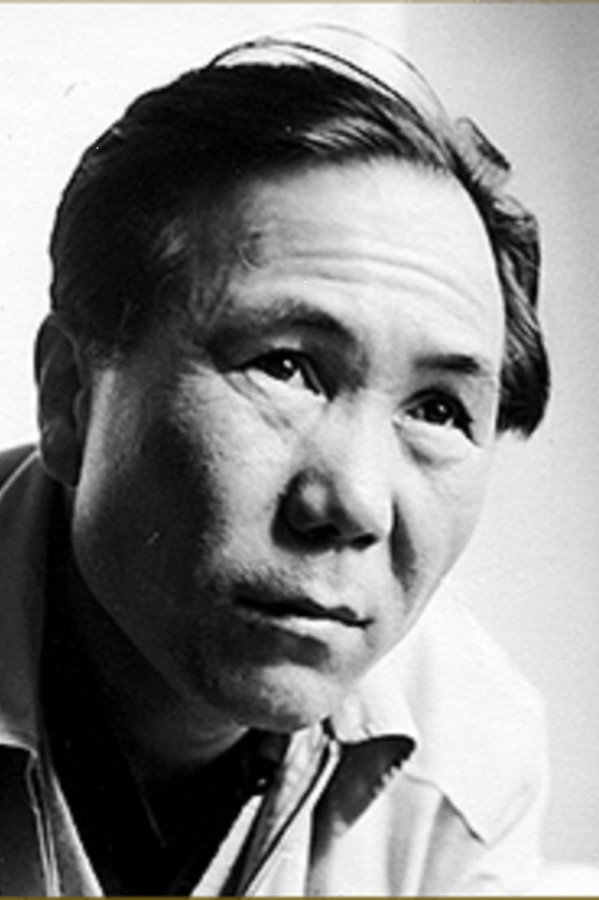
Kiyoshi Saeki
Director

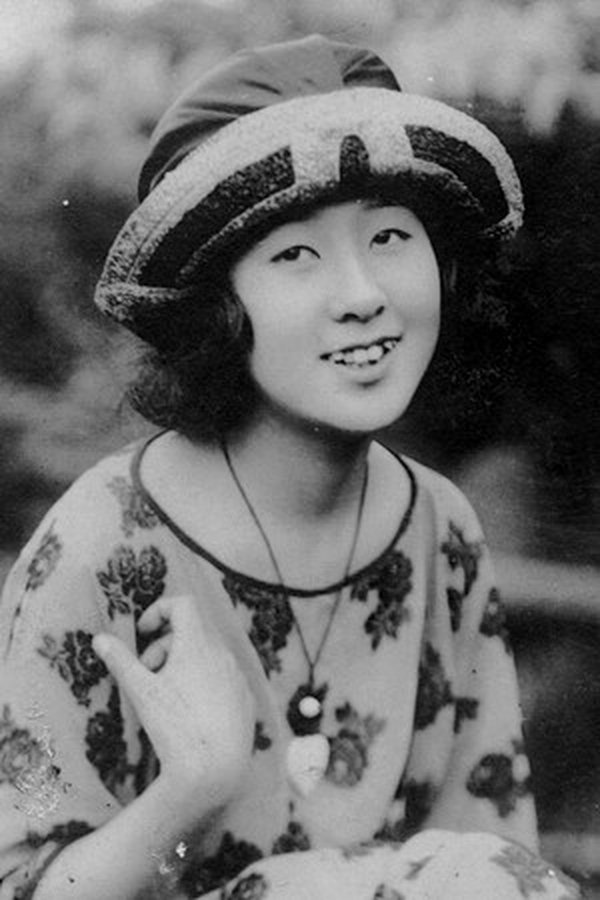
Yaeko Mizutani
Keiichi's mother Ineko

Hatae Kishi
Tsuneko Murasato
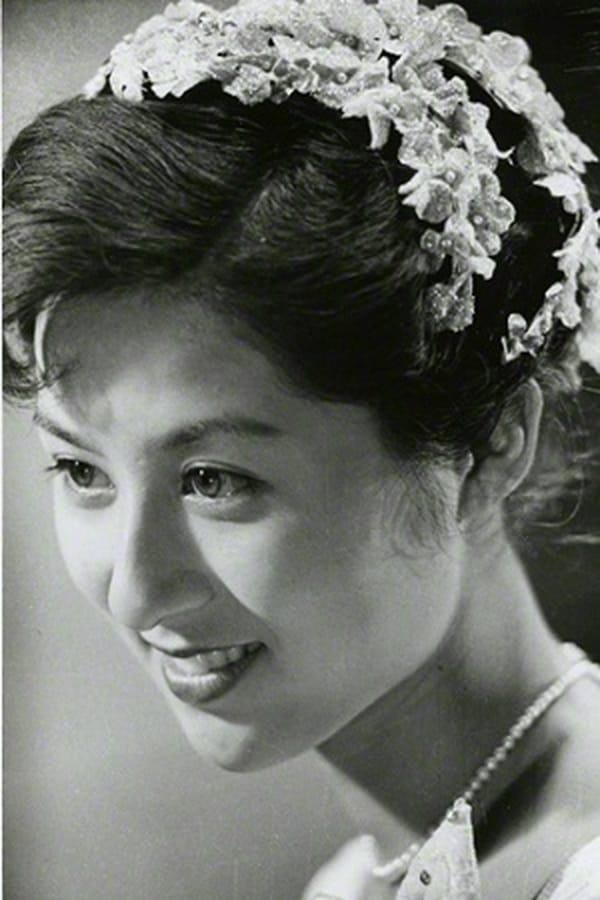
Kyōko Kagawa
Tomi Tsuboi

Yōichi Numata
Keiichi Ogata
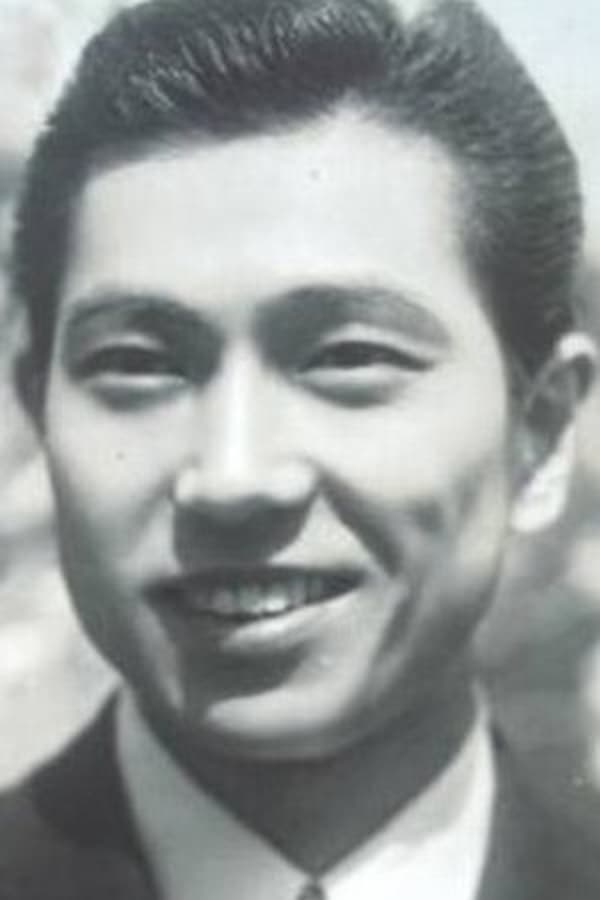
Yasumi Hara
Minoru Nagae
Tadashi Minamikawa
Interpreter

Ryōhei Uchida
Young Chinese man
Tsuneo Katagiri
Chinese officer
Michiyo Naoki
Nagae's wife Rie
Suzuko Oshima
Young man's mother
One of the reasons that people with albinism have a difficult time being seen and represented in media is probably because there is a small percentage of them.
While it is more than established that Halston’s life is far from a fairytale, the narrative suffers as a result of the decision to revolve more around sex and drugs than his artistry, it likely does a disservice to his cultural impact by pulling focus from his achievements.
The Invitation takes a creeping look at two simple premises: reuniting with forgotten friends and new-age spiritualism. Though one seems a bit scarier than the other, the film heightens social awkwardness to a macabre level that puts an uncomfortable look on when the social taboo of grief is put on public display.
Sailor Moon Crystal wisely makes the decision to adapt Season 4's Dream Arc into an epic anime movie where the Sailor Guardians shine brightest.
‘Killers of the Flower Moon’ is preoccupied with plot and not on the greater struggle of the Osage.
We have a long way to go with LGBT representation in film, especially when it comes to LGBT characters of color and trans characters.