







Dead Poets Society Steals a Queer Story
Dead Poets Society relies on patriarchal tropes such as overbearing fathers, contrived brotherhood, and faux-individuality in order to portray its straight white male characters as oppressed.
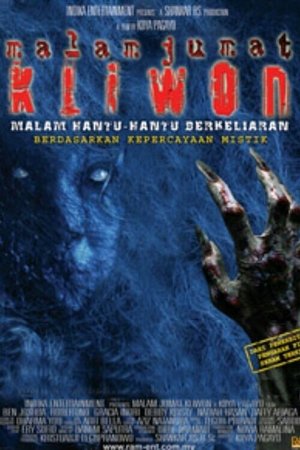


After a night out at the club, Dhika and his friends Sheila, Ramon, and Joana bump into a police drug search. They speed through and escape, and unexpectedly crash into a tree after a girl appears in the middle of the road. Her name is Vina and she asks for help, to look for her lost boyfriend inside a old hospital. The timing is unfortunate for them because it is a Kliwon Friday Night.
Dead Poets Society relies on patriarchal tropes such as overbearing fathers, contrived brotherhood, and faux-individuality in order to portray its straight white male characters as oppressed.
The film is a documentary focusing on heavy metal in the late 80s and tackles topics like drug addiction, alcoholism, sex, masculinity, and of course, rock and roll. However, this didn’t feel like any documentary I’ve ever seen before.
Stevan Lee Mraovitch’s film is a beautiful tribute to family, found family, and the lengths people will go to support their loved ones.
This coming-of-age movie based on the 1970 book by Judy Blume gives viewers a scope on female topics in the quest for a religious identity.
In My Octopus Teacher, documentary filmmaker Craig Foster models healthy masculinity by showing us a trusting, gentle, and emotionally fulfilling bond with an octopus.
This magical reboot introduces a new set of Charmed ones, much to the ire of fans of the original series.