





Are You There God? It's Me, Margaret. (2023)
This coming-of-age movie based on the 1970 book by Judy Blume gives viewers a scope on female topics in the quest for a religious identity.
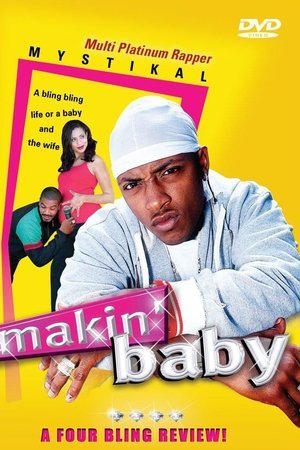


A man's potential rap career is at odds with his wife's ticking biological clock in this 2002 film from director Paul Wynne. Aaron Spears stars as Michael, a young married man struggling with the idea of becoming a father when fame comes knocking in the form of a hip-hop star impressed with Michael's skills on the mic. Will he choose fame and fortune or the stable life of parenthood? Music star Mystikal makes his acting debut.
This coming-of-age movie based on the 1970 book by Judy Blume gives viewers a scope on female topics in the quest for a religious identity.
Having Sersi be the central force in Eternals is unprecedented in its viewpoint and focus, from demonstrating a gentle type of leadership, to being overlooked in a group setting but succeeding in the goal at hand anyways, to having romantic options, to strength and integrity, and majority screen time - for a group that's given less screentime than aliens.
One of the reasons I love watching movies is that, much like books, they serve as windows into other times and different places. Productions from around the world offer valuable insights into the history and culture of their respective countries. And just like literature, cinema can help us understand the present by showing us the past.
'Brother' is a gripping family drama with dazzling performances all around.
If you were to watch it on streaming when you have nothing to do, it’s still probably a giant waste of time, but you could do far worse. Paying $18 for a movie ticket and who knows how much for concessions turns this from an exercise in boredom to an exercise in frustration.
Through its morbidly humorous storytelling, Wednesday tells a tale of a world divided that explores the manifestation of generational trauma in its protagonist Wednesday Addams.