
The End of “The End of Oak Street” is Oak Street
An attempt to capture nostalgia that unfortunately just doesn’t work
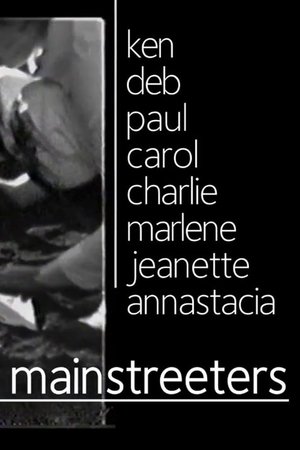


MAINSTREETERS: Taking Advantage, 1972-1982 surveys the history of a gang of Vancouver artists who lived and worked together in drama, excess, friendship and grief. From 1972 until roughly 1982, they lived along Main Street, the traditional dividing line between the city's working-class immigrant eastside and its more affluent westside. Core members––Kenneth Fletcher, Deborah Fong, Carol Hackett, Marlene MacGregor, Annastacia McDonald, Charles Rea, Jeanette Reinhardt and Paul Wong––engaged in ambitious collaborative media and performance work that charts the rapidly shifting social terrain of the city.
An attempt to capture nostalgia that unfortunately just doesn’t work
This little Netflix film was very inspirational. It passes the Bechdel test, and features a different worldview with rural Indian representation.
Everyone needs a BFF and a "wing person" like Yumi (Chloris Li). Li brings the "straight person" persona, literally and figuratively balancing James Aaron Oh's perfectly timed comedic delivery as the unlucky-in-love.
As a whole, Sightless pushed boundaries between illusion and reality. It made viewers question if there really is a difference. Ellen was strong, brave, and even compassionate given her situation. She was a force to be reckoned with.
Americans love the British monarchy. This may seem confusing because only a few short hundred years ago they were our worst enemies, and every year we celebrate our independence from them. The Crown humanizes the monarchy, which might explain its popularity.
There’s enough evidence to insinuate that What We Do in the Shadows is intentionally queer-coded.