











How My Octopus Teacher Depicts Healthy Masculinity
In My Octopus Teacher, documentary filmmaker Craig Foster models healthy masculinity by showing us a trusting, gentle, and emotionally fulfilling bond with an octopus.
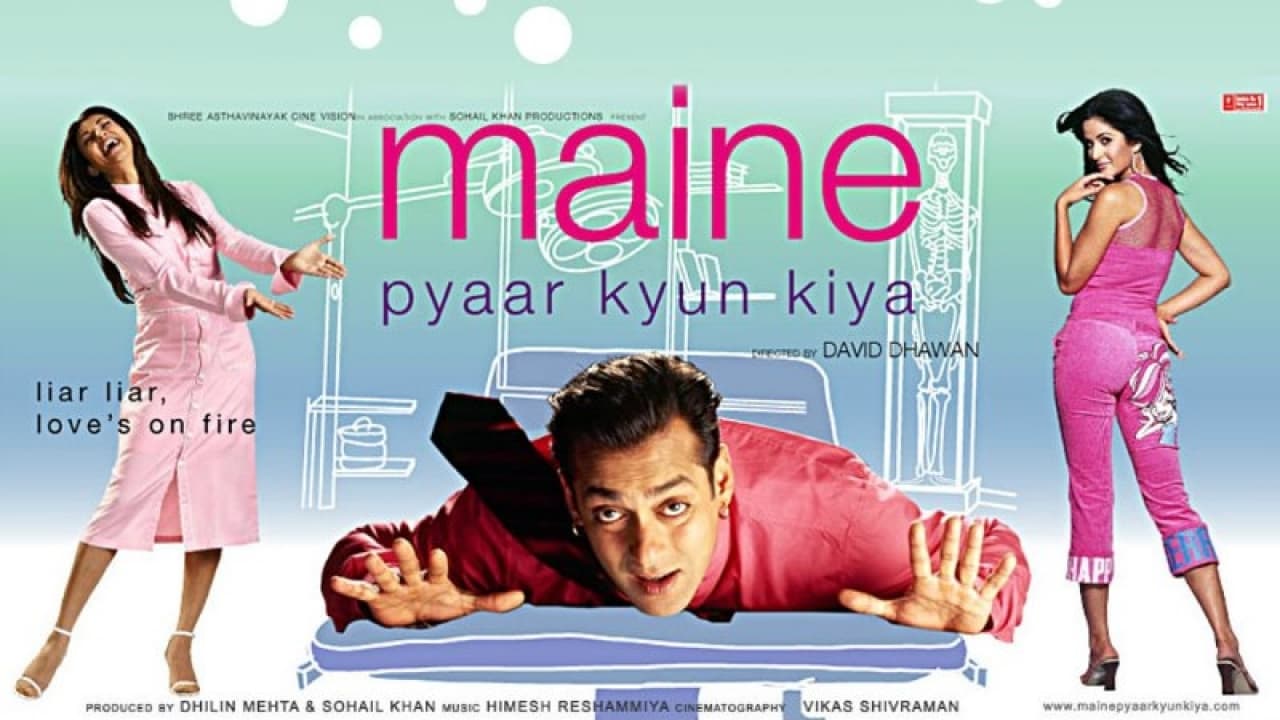



Dr Samir is an absolute charmer when it comes to women, but he poses as a married man to keep them at bay. Love becomes a three-ring-circus for him after he ends up tangled in his web of lies with his girlfriend Sonia and pretend wife Naina.
In My Octopus Teacher, documentary filmmaker Craig Foster models healthy masculinity by showing us a trusting, gentle, and emotionally fulfilling bond with an octopus.
In Spike Lee’s She’s Gotta Have It (1986), we follow the love life of powerful female protagonist Nola Darling (Tracy Camilla Johns) and explore the relationship dynamics she has with her partners. She sees three men simultaneously: Greer Childs, (John Canada Terrell) Mars Blackmon (Spike Lee), and Jamie Overstreet (Tommy Redmond Hicks). Though an 80’s film, She’s Gotta Have It is surprisingly progressive with its themes of female sexuality, although at some points in the film it is handled clumsily. Overall Nola is an incredibly compelling character especially for modern women, as we as a society acknowledge female sensuality more and more without the negative stigma.
Desi Arnaz was an innovator in television and Lucille Ball was a sketch comedy clairvoyant of sorts; 'Being the Ricardos' focuses on their genius as a couple, but shies away from the interracial aspect of their marriage.
The human experience is described through the eyes of a marginalized outsider, neither judgmental nor invested, just an observant donkey.
A thief and street dog named Roger has to work with other pets to take down the evil Mayor Frank Stone when he plans to destroy Robo City.
Desi’s “straight man” to Lucy’s playful exuberance subverted people’s expectations of what a Latino man could be and added respect and nuance to the way onscreen marriages between men and women were portrayed.