
Fantasy Elements in 'The School for Good And Evil'
An enchanted school for young heroes and villains brings the battle between good and evil in this fantasy movie.

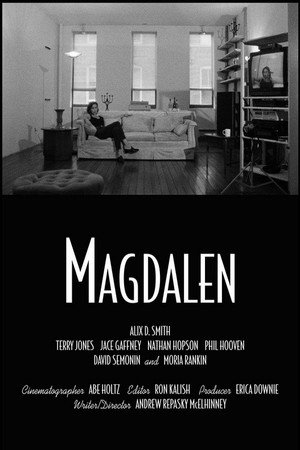


Magdalen is a tavern Scheherazade, a prostitute who sells stories in a seedy Philadelphia dive bar. Her clients include Mr. Jones, an angry black businessman who wants to hear the same graphic, sexual fantasy every night; Jace, a droll, Mishima-loving slacker/writer looking for an ending to his novel; Phil, a precocious skater-boy who wants to understand his dead father; and Edward, a shy 53-year-old virgin looking for love. Alix D. Smith is Magdalen McElhinney, a tough, brainy femme noir, whose name suggests that the film's director is the father she talks about obsessively. Littered with literary and cinematic allusions, the film's narrators make Magdalen part Warholian confessional and part Brechtian taproom comedy.
An enchanted school for young heroes and villains brings the battle between good and evil in this fantasy movie.
Standing up for what's right, she's met with miraculous results. She takes charge of her own destiny.
“Nobody 2” is the kind of sequel you expect to roll your eyes at—and then end up grinning through the whole thing. Bob Odenkirk proves once again that an ordinary-looking guy can be the most entertaining action hero alive, battling cartels with harpoons, deep fryers, and pure chaos. Toss in Sharon Stone as a delightfully over-the-top villain, and you’ve got 89 minutes of wild, joyful mayhem that reminds you why going to the movies is just plain fun.
My review’s title is a nod to Shakespeare and is entirely deliberate. The original movie portrayed the high-end fashion world as a brutal arena of plotting, backstabbing, and betrayal, and most Shakespeare’s plays depend on these plot devices. The Devil Wears Prada 2 uses the same formula, and is, plot-wise, almost identical. Once again, we plunge into the cutthroat world of Runway, where to get and stay at the top, you must let go of your principles and moral sense. The only thing different is that due to the digital era, Runway is not a print magazine anymore, but one that is running online.
Our protagonists perform as the opposite gender while still preserving the parts of their personalities that makes themselves who they are.