
Negative Reactions to ‘Barbie’ Reveal the Pressure of Representation
Apparently, nothing's ever enough. It has its flaws, but does that warrant the amount of criticism 'Barbie' is subject to?
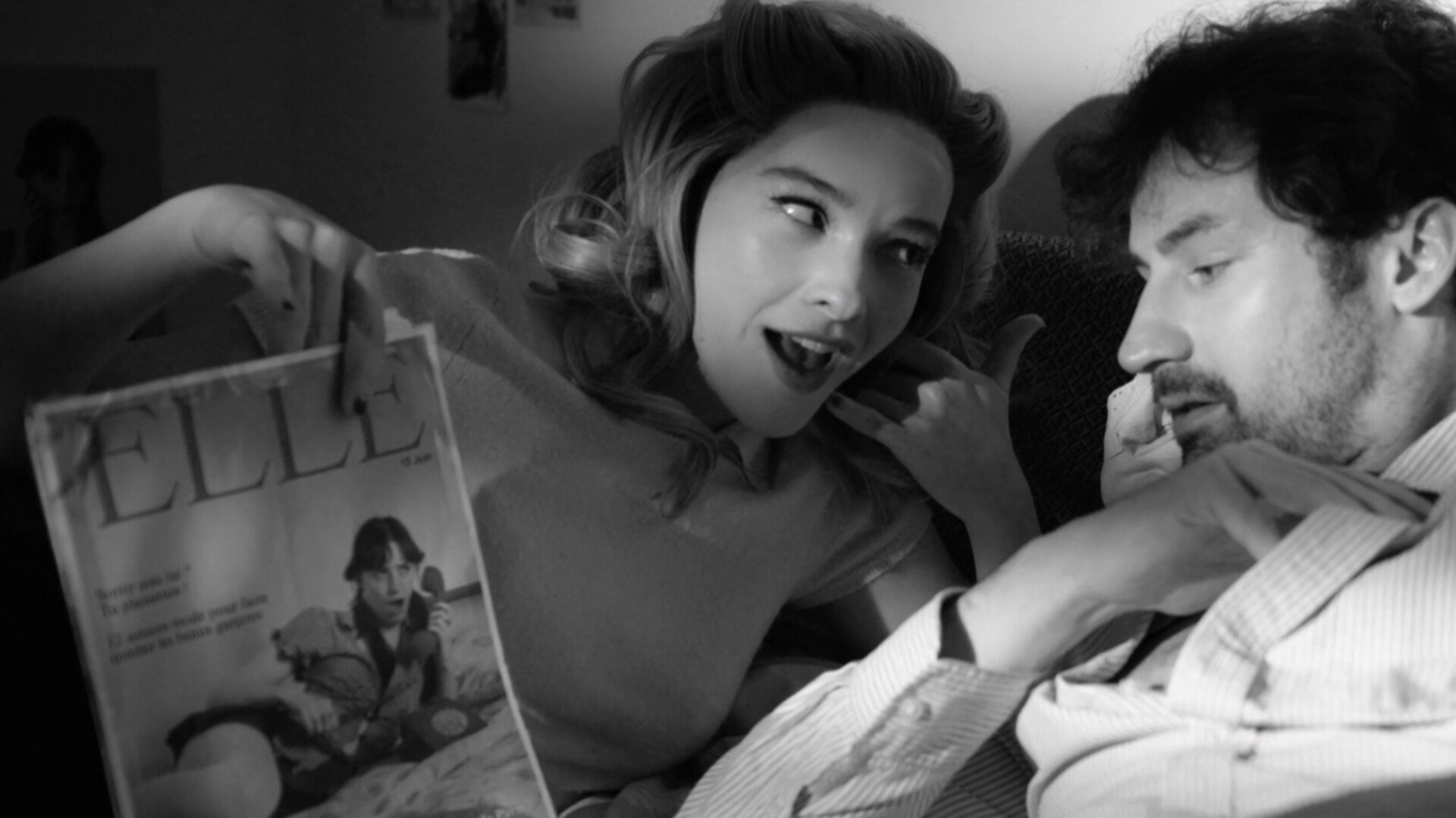
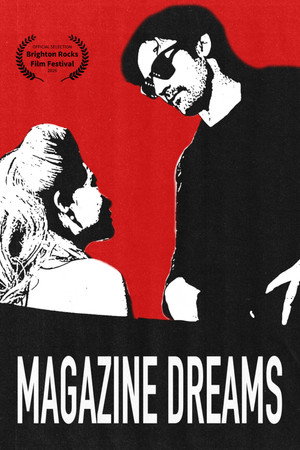


When Mia gets offered the chance of a lifetime to become the cover star of a magazine by Pierre, she thinks all of her dreams are finally coming true. But when she arrives on set, she quickly realises it's not the glamorous life she thought it would be.
Apparently, nothing's ever enough. It has its flaws, but does that warrant the amount of criticism 'Barbie' is subject to?
'Ganja & Hess' is a 1973 experimental horror film, written and directed by the visionary auteur Bill Gunn. It was meant to be a straightforward blaxploitation film – but director Gunn had grander ambitions.
Based on the best-selling novel by Angie Thomas and a maxim of the late Tupac Shakur.
This inspiring true story falls nothing short of filling the audience with a passion to strive for their wildest dreams.
Ruben Östlund muses about his characters, “As soon as you get close to a person, you see them as just another human being”. It is widely recognized that aboard the luxury yacht in ‘Triangle of Sadness’, the different groups of people represent a small society as a commentary on classism and gender binaries.
The gentle, emotional nuances of Evan’s coming-of-age story would have been so beneficial to have incorporated into the life of a POC character. Showing a Black, Asian or Latino young man that is afforded the space to be vulnerable, flawed and sensitive while driving a compelling and widely-loved narrative would have been a game changer.