


Celebrating the Diversity of the 2026 Oscars
2026 ranks highest in Oscars history for its representation of minorities in all categories, and that’s definitely something to be celebrated.
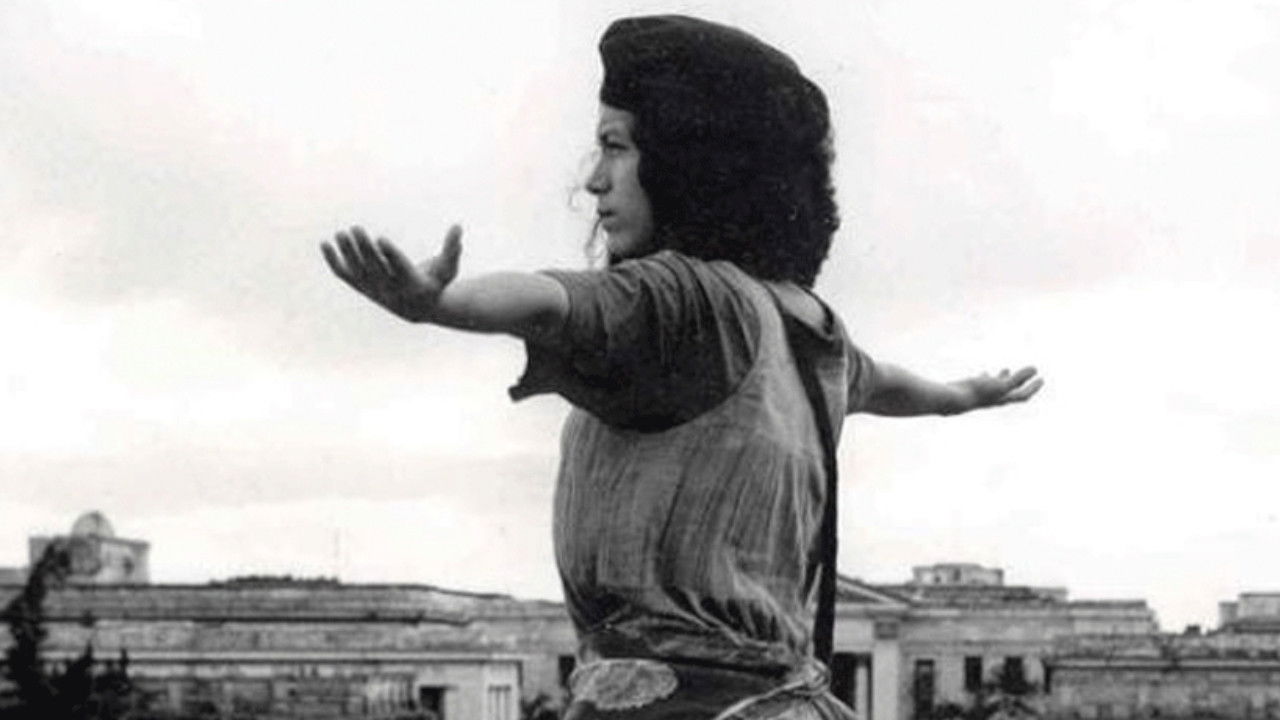



The 50-minute "Madagascar" has the resonance and eloquence of the best poetry, as it deftly turns an adolescent's search for identity into a metaphor for socialist Cuba. Laura is a professor at a shabby, stultifying college. Her daughter, Laurita, stops going to school, wishes to move to Madagascar and quickly races through several phases. One day, she looks like a heavy-metal fan, another like a bohemian who weeps at poetry and art. Slowly, she crosses the line from ordinary adolescent confusion to intense neurosis and beyond, finally becoming so obsessed with religion and good works that she brings 10 homeless children into the cramped house she shares with her mother and grandmother.
2026 ranks highest in Oscars history for its representation of minorities in all categories, and that’s definitely something to be celebrated.
The Magician's Elephant has a strong multicultural cast and a heartwarming story about bringing two long-lost siblings back together
Like many things, like animals and people, they always evolve. When the first humans walked the Earth, they originated from Africa and were all black.
'Unsolved Mysteries' is a reminder that not everyone has closure in their lives. Things will happen that have no known explanation, and seemingly come out of nowhere.
Only time will tell what this new Black Panther and movie will show us with all of the old and new elements of the superhero craft integrated.