

Fantasy Elements in 'The School for Good And Evil'
An enchanted school for young heroes and villains brings the battle between good and evil in this fantasy movie.

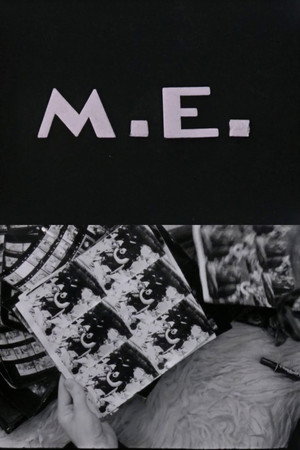


The waste of the toy factory "Ogonyok", clumps of multicolored thermally deformed plastic, turn into a new biological species, then into a new direction of modern art, then into an isolated language of a native tribe discovered by linguists in the jungle, where words must be carried silently with you and shown if necessary, then into heroes of crazy phantasmagoric news.
An enchanted school for young heroes and villains brings the battle between good and evil in this fantasy movie.
When we hear Korean Cinema, we often think of South Korean Cinema, but what about North Korea? Sure, North Korea has its propaganda moments, but 'Pulgasari' might be its best one yet.
Airplane! (1980) is a fun spoof comedy with lots of laughs, right? I watched this film for the first time the other night. I loved it. Then came the racist jokes.
The sequel to the 2010 live-action movie focuses on sibling rivalry.
I think that the happiness and survival of "Wynonna Earp"’s LGBTQ+ characters is incredibly refreshing in contrast to the prevalence of queer suffering and death in other television.
Two Summers ago, on May 27th, 2022, the theatrical cinematic realms were re-awakened from their post-COVID dormant state of being by a little film titled "Top Gun: Maverick". It re-introduced us to the absolute elation of seeing not only a highly anticipated (and, granted, 36 years in the making!) sequel, but the return of the quintessential Summer blockbuster to witness on the BIG screen again.