








Caught Stealing and Caught Wanting More
You'd better buckle up, pack spare underwear, & maybe lay off the drinking for a night, for a gnarly ride in New York!
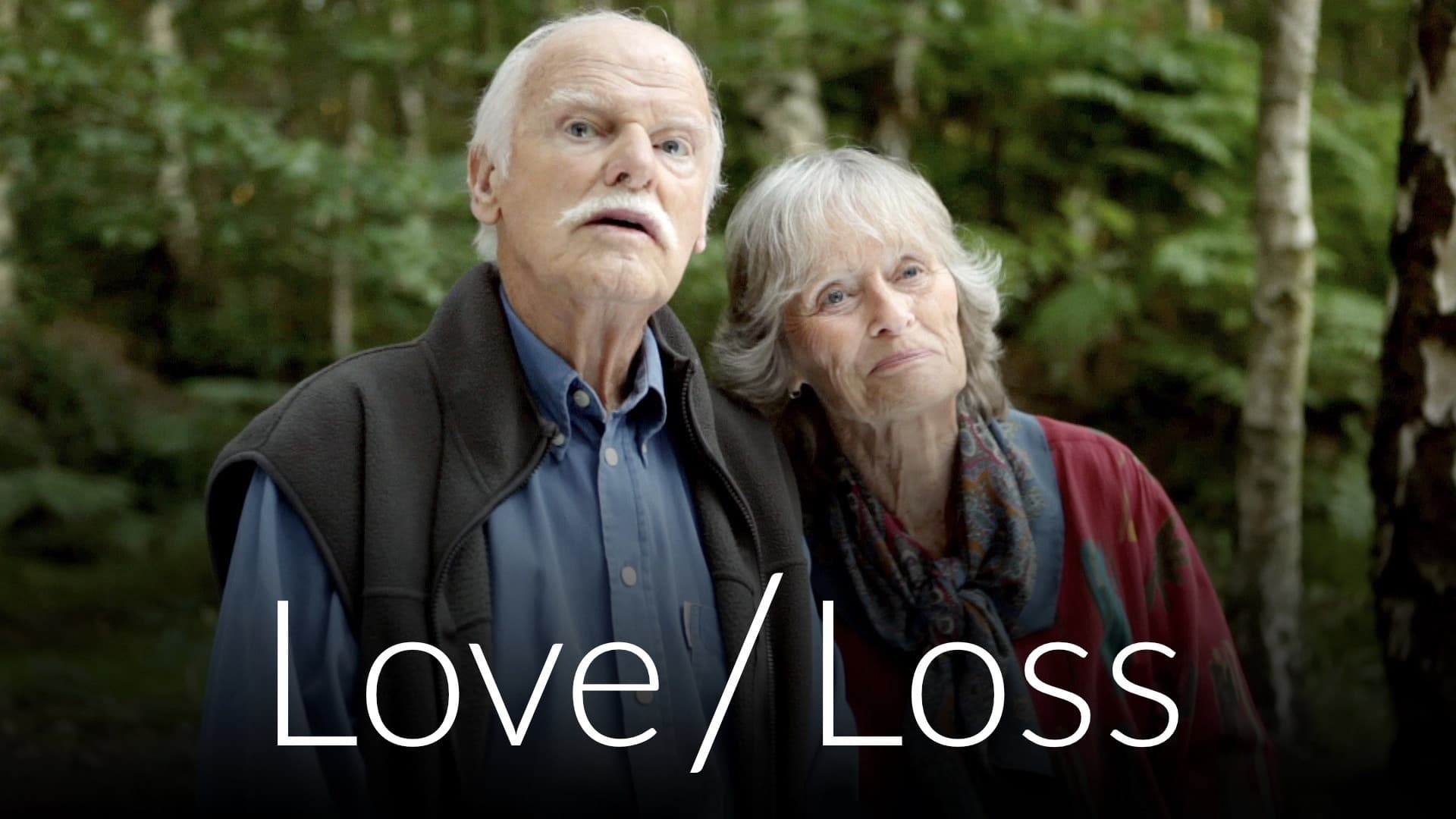


A chance meeting reunites Mary and Joe, childhood sweethearts from the 1940s. But after 60 years apart, is there still love between them? How have their separate experiences shaped their lives over this long period apart, and is there still time for them to share the happiness that has so long been denied? As Mary and Joe confront the mistakes of their past and share memories of a previously unspoken love, their reunion appears to take them on a path to happiness. But the gentle narrative hides a twist that will challenge any preconceptions of love and loss.
You'd better buckle up, pack spare underwear, & maybe lay off the drinking for a night, for a gnarly ride in New York!
Happy Halloween! If you were debating capping off Spooky Season with a viewing of Hocus Pocus 2, it is just very clear that this is more for the younger audience as opposed to people who grew up with the original.
Even now, the well-established Snyder has yet to learn this as he continues to allow misguided decisions to convince him that his projects hold the same kind of intelligent and emotional weight. Army of the Dead is a tonal mess, one that never decides what it’s trying to be, and, for all we know, doesn’t want to decide.
I hope that more people will see Joyland, understand the situation, and eventually change themselves and society so we can have a more accommodating world where everyday tragedies like the one depicted in the film do not occur.
'Do Revenge' offers a 2022-relevant sociopolitical commentary that decries virtue signaling while promoting the inclusive virtues the nefarious power structures exploit.