20th Century Girls and First Love
A South Korean romantic drama film that brings a strong first love story.
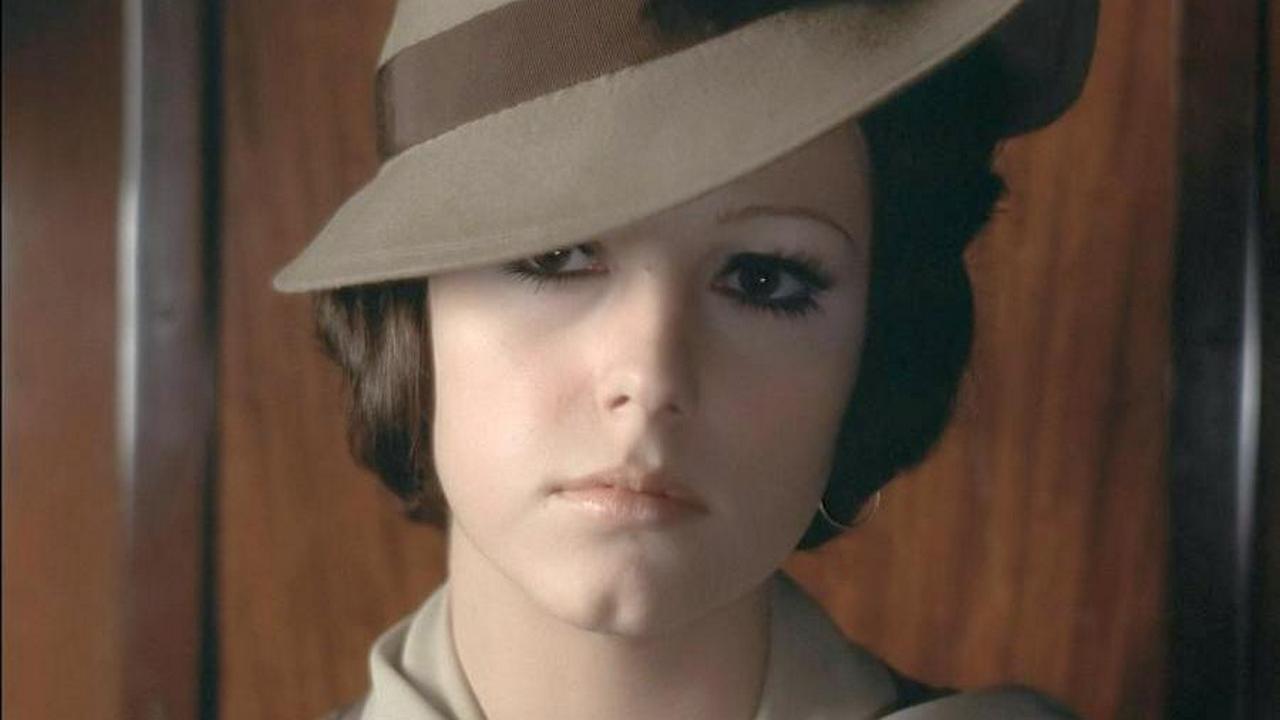



A biographical feature on the Italian literary giant, Gabriele D'Annunzio. Set in late 19th century Italy and France when the artistic style, Decadentismo, was beginning to take shape, the film focuses on D'Annunzio's life when he was already an established poet and journalist in Rome. A staunch opponent of democracy and commoners, he searches for passion and pleasure among the wealthy and noble. One such noblewoman Elvira Fraternali Leoni, serves as the muse for his first novel - The Pleasure (Il Piacere).

Sergio Nasca
Director

Robert Powell
Gabriele D'Annunzio
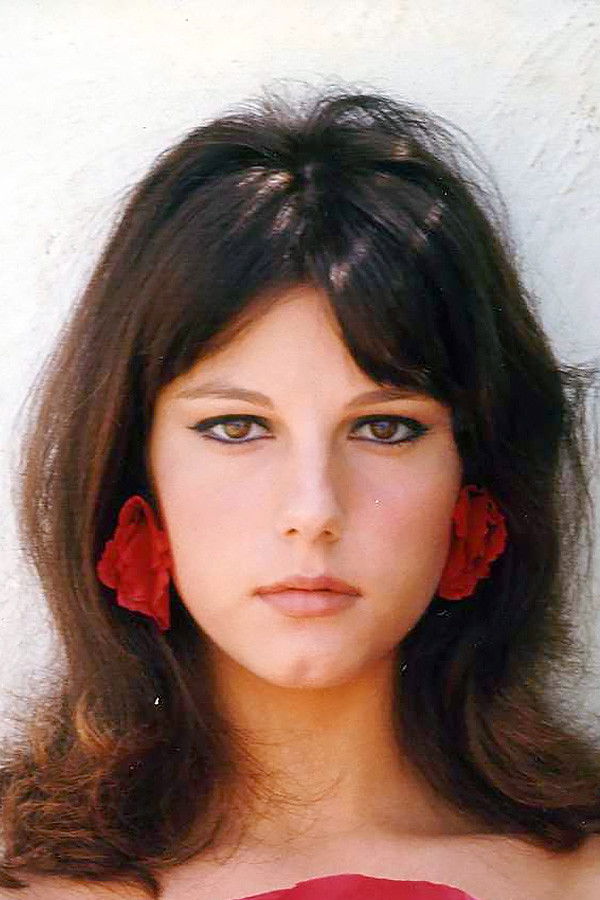
Stefania Sandrelli
Elvira Fraternali Leoni

Laurent Terzieff
Michetti

Florence Guérin
Clo Albrini

Sonia Petrovna
Maria Cruyllas di Gravina

Teresa Ann Savoy
Maria di Gallese
Fiorenza Marchegiani
Olga Ossani

Paolo Bonacelli
Ercole Leoni

Roberto Alpi
Edoardo Scarfoglio

Cesare Barbetti
De Bosis

Eva Grimaldi
Viola
A South Korean romantic drama film that brings a strong first love story.
Passing is a visually stunning portrayal of Larsen's story with an inclusive cast, and the performances of Thompson and Negga are sensational.
Disguised as a cosmic highway horror, Alexander Ullom’s It Ends is a beautiful, albeit terrifying, metaphor for learning that if you want to survive adulthood and become your own person, you have to learn to let people go.
Despite its glaring flaws, First Girl I Loved is not entirely undeserving of a watch. For people who can handle the more difficult aspects of the story and graphic scenes, it is worth looking into. It’s not a film worthy of rewatch, but it may still resonate somewhat with those who need a story like this. It is a genuine, if flimsy attempt at a coming-of-age tale. Were the film to be directed by someone with experiences more similar to Anne, it would likely be more powerful--as it is, it feels like a man’s perspective of what it means to come to terms with your identity as a lesbian.
Where is Lilo's face? Disney marketing sends a chilling signal: that even in 2025, an alien is more palatable and marketable than a brown girl.
With such a raw look at the 15th century, it seems that Disney was really trying to step outside of its element with this motion picture.