

What We Do in the Shadows (of Our Closet Walls)
There’s enough evidence to insinuate that What We Do in the Shadows is intentionally queer-coded.

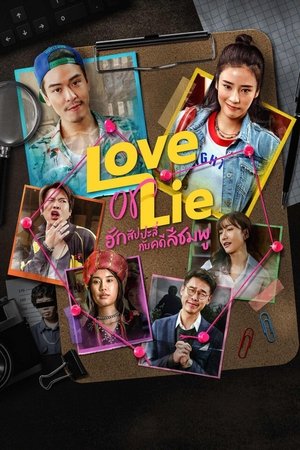


When Yo, a down-on-his-luck detective, receives a bizarre assignment from a mysterious client, he finds himself tasked with investigating Frank, a shady businessman, and Poche, a sweet-voiced singer. His mission? To play matchmaker and make them fall in love. But things take an unexpected turn when he meets Pun, a nosy market vendor trained by the legendary Mae Jaem and Poche’s older sister, who senses something fishy about this strange case of the pineapple cupid!
There’s enough evidence to insinuate that What We Do in the Shadows is intentionally queer-coded.
"La Noria" deftly subverts audience expectations as it explores childhood grief, anxieties, and pain. The award-winning short shows us that often our monsters are often sprung from our darkest places.
I’m still trying to comprehend the psychological and moral implications of their fascination with each other, or why their almost written-in-the-stars depth of connection makes so much sense.
It is a truth universally acknowledged that a single woman will be happiest if she marries a man with a good fortune, similar upbringing, matching attractiveness levels, and compatible politics.
After two months of refusing to see this movie, I have decided that it’s finally Morbin’ time. After its re-release as a box office bomb; I watched it just to laugh at it. But, I was also surprised, because 'Morbius' is a queer allegory.
“I’m always interested in exploring female fantasy, and the sexy witch is a loaded archetype that is simultaneously about men’s fears and fantasies about women, and women’s feelings of empowerment and agency. So whereas we are used to seeing the sexy witch or the femme fatale from the outside, I wanted to explore her from the inside.” - Anna Biller, on why she made The Love Witch