

Looking Behind the 'Z-O-M-B-I-E-S' Trilogy
Our trilogy at Seabrook High School starts with a rivalry between zombies and humans who eventually come together.
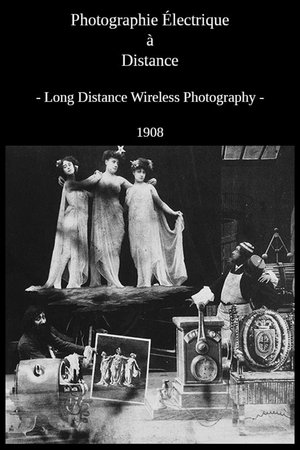


Into a photography studio full of large fantastic machines steps an elderly couple. The bearded proprietor explains the equipment and gives them a demonstration: he starts machines whirring, and projects a painting of three women onto a large screen; suddenly the women begin to move. The customers are impressed. First the women sits in the special seat: she's projected onto the screen, and her good nature comes out in the laughing image. Then it's the man's turn, but the machine discloses a vastly different nature in him. Will his reaction threaten our proprietor's inventions?
Our trilogy at Seabrook High School starts with a rivalry between zombies and humans who eventually come together.
I first saw Dear Evan Hansen on the Broadway stage. Apparently, I was so blown away by the magic of theater that I didn’t pick up on the questionable dynamics. The story's clumsy handling in the movie brought those issues to light.
It’s been five months since Wayward premiered on Netflix and it still has some of us in a choke-hold.
What can I say about this Will Ferrell/Julia Louis-Dreyfus-led “dramedy?” Well, the comedy part of Downhill is completely non-existent. And I should have known that the film was a flop when I walked into an empty theater at a prime time on a Friday night.
The Lighthouse is patient and hypnotic, pulling us in with its mysterious atmosphere and characters. The film’s slow pace proves to be monumentally effective, showcasing the tedious nature that comes with isolation and poor two-way communication.