Joanelle Romero Discusses Native Indigenous Representation
I have talked with founder of Red Nation Television Network, Joanelle Romero, and the future of Indigenous representation looks bright.
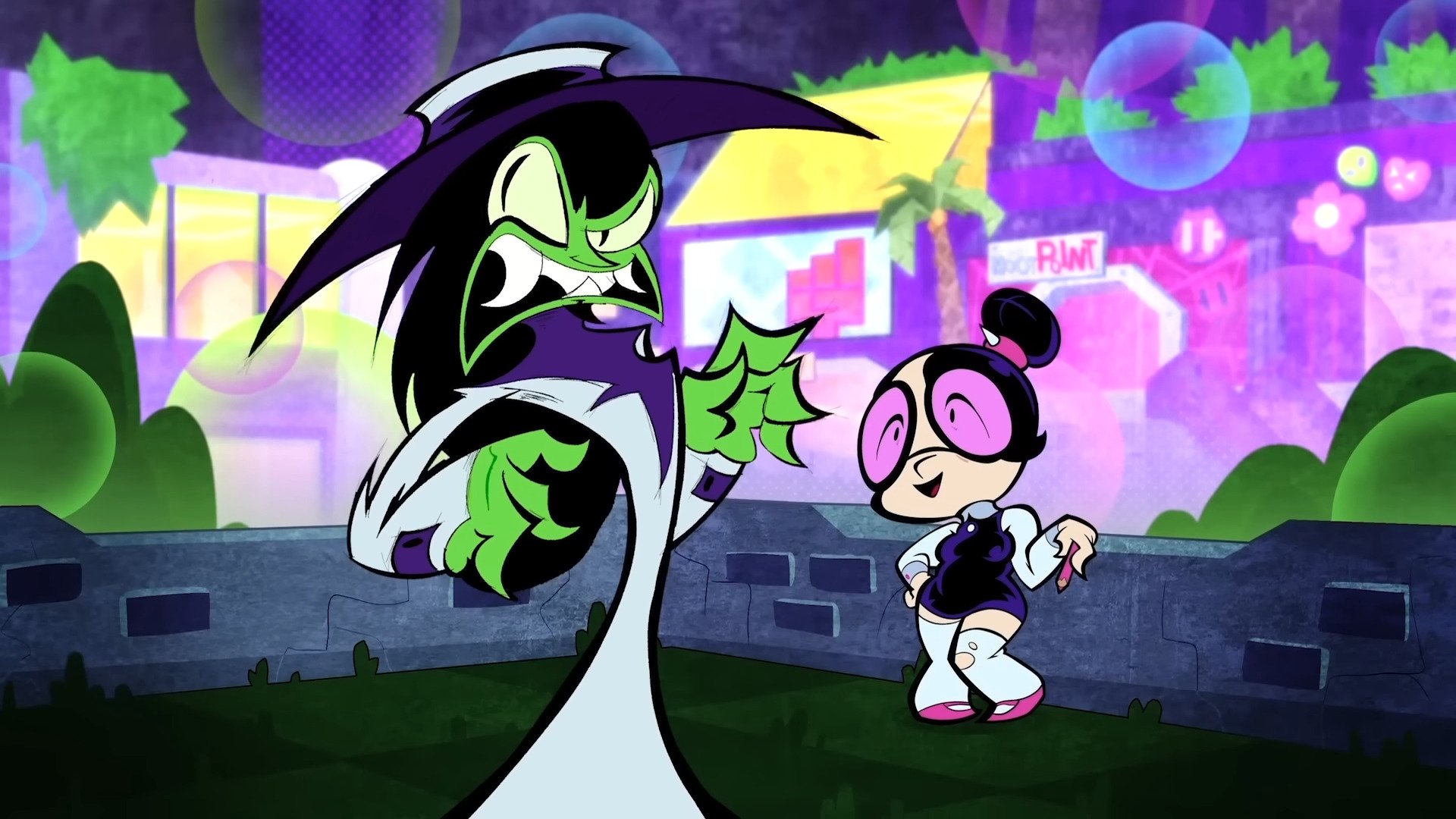
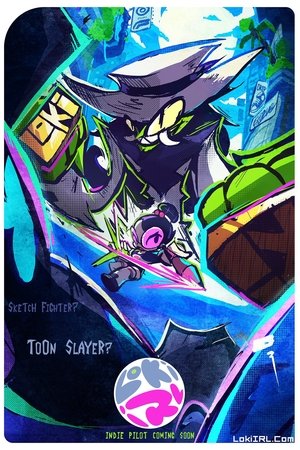


After numerous losses, aspiring artist Bianca and her living cartoon demon, Loki, are called out online. To prove they're not idiots they had to beat up an influencer.

Pan-Pizza
Director
Pan-Pizza
Loki Lowbrow Sinister / Marauder Meidas Touch / Emily Vasquez / Stephany Vasquez (voice)
Kelsey Jaffer
Bianca Sol Bakshi (voice)
Kevin Paculan
Hixtron Hey Maker (voice)
Liv J Brown
Tori Toda Ashi (voice)
Andre Santana
Cauli Kakuto Chojin (voice)
Chocovania
Computer Voice (voice)
Jazzy Frizzle
Monique McDuffy (voice)
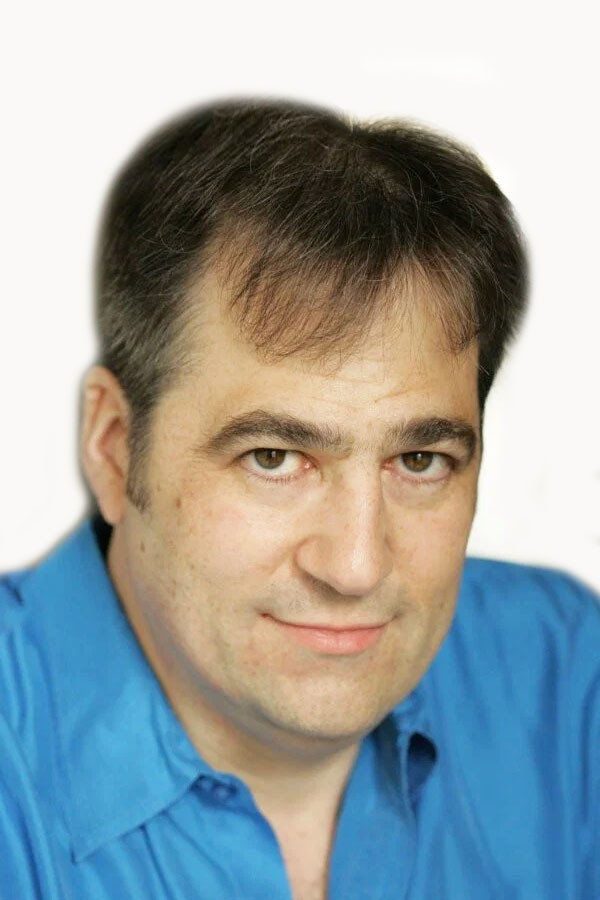
Mike Pollock
Milo Grendel / After credits guy (voice)
Crystal Lee
Sindy Carmack (voice)
Rin Araneta
Catrina Gutierrez (voice)
Greg Vinciguerra
Davey Apollo (voice)
I have talked with founder of Red Nation Television Network, Joanelle Romero, and the future of Indigenous representation looks bright.
Love is Blind Season 2 is the perfect reality show to tie a viewer over until the next season of Bridgerton. Check out Love is Blind Review Season 2
It’s 2021 and what few LGBTQ+ films that are produced by major film studios continue to star cisgender heterosexual actors, rather than actual LGBTQ+ people.
In 1971, when discussions about how to integrate their school system break down, the community of Durham, North Carolina agrees to bring in Bill Riddick(Babou Ceesay) to conduct a series of summits(charrettes) to help them move forward with desegregation.
The power of a talented female director like Patty Jenkins and an overall diverse cast is what makes this film worth watching for me.
The Gates, John Burr’s new thriller film, is a disturbingly realistic portrayal of three Black twenty-somethings - Derek (Mason Gooding), Kevin (Algee Smith), and Tyon (Keith Powers), as they accidentally take a wrong turn into a gated community that’s more like a modern-day sundown town. The three friends witness a variety of crimes in their new surroundings, including an attempted homicide and an attempted rape. As they attempt to alert the authorities and do the right thing, they are thwarted at every turn by the worst horror stories of American conservatism - racist white suburbanites, reckless gun violence, corrupt police, religious mania, and a megalomaniacal pastor.