
Lo que el viento trajo
A 1941 film.

- / 5
PopScore
Representation
Pictures and Videos

Movie Information
A 1941 film.
Rating:
Genre:Drama, Comedy
Written By:José Benavides hijo, Juan Roca
In Theaters:
Box Office:
Runtime:
Studio:Filmex
Cast

José Benavides hijo
Director
Jesús Martínez
Palillo Delgado (as Palillo)
Elvia Salcedo
Timotea
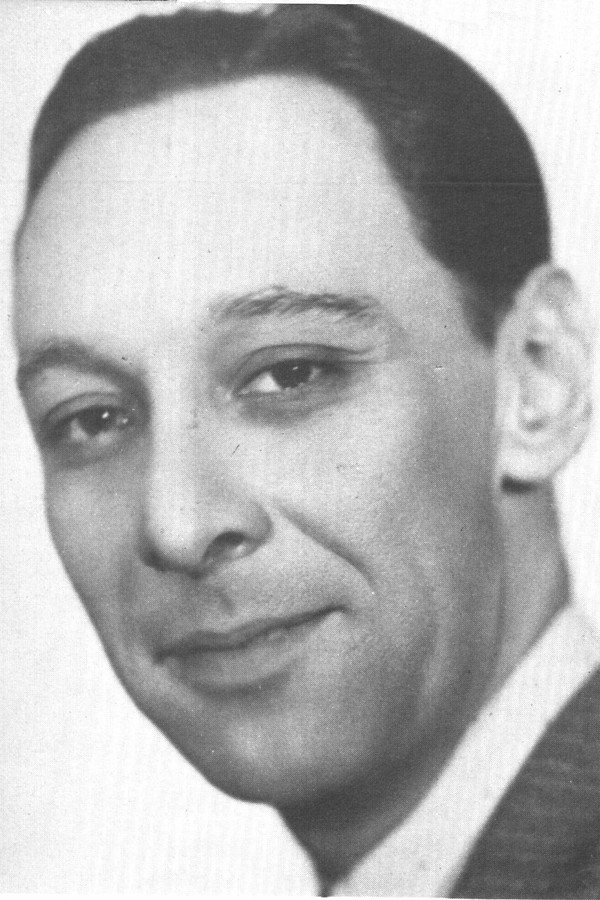
Agustín Isunza
Boticario
Mario Caballero
Exiquio
Consuelo Quiroz
Chucha
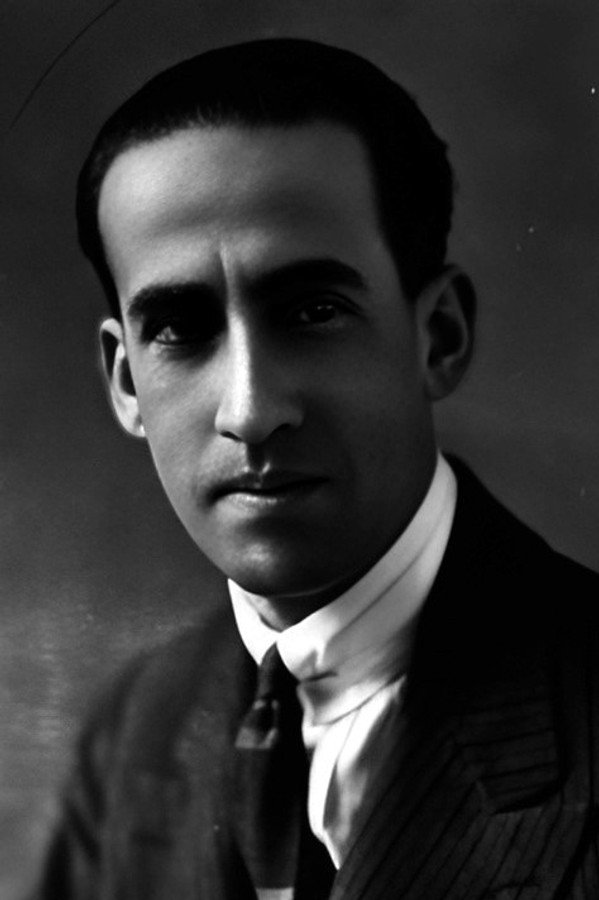
Luis G. Barreiro
Don Leandro
Leopoldo Beristáin
Don Pantaleón (as El Cuatezon Beristain)
José Arratia
Dr. Leocadio Pérez
Ricardo Carti
Don Ángel
Chelo Villarreal
Doña Remedios (as Consuelo Villarreal)
Enrique Carrillo
Eulalio
Articles You May Like
An exploration of societal expectations and madness: Die My Love (2025)
It’s been awhile since I’ve seen a film that is jarring within the first five minutes. Being at the edge of my seat from the very beginning made me feel both excited and frightened for what was to come, and it did not disappoint. Led strongly by Jennifer Lawrence as Grace, a woman trapped in the “American dream”, this film shows that society tells us what should make us happy. Many critics describe Die My Love as being about post-partem depression, but it is so much more. After moving to a secluded home with her husband Jackson, Grace finds herself in the throes of motherhood. Feeling isolated in her physical environment and her romantic relationship, Grace suffers psychologically. Lawrence brings a sense of rawness and humor to the screen that is often uncomfortable. Robert Pattinson adds to the discomfort as her loving, yet lost husband Jackson, who cares about his wife but does not know how to help her. Lynne Ramsay has presented a film that forces us to look at the realness of life, and what happens when the promise of what should make you whole fails.
Why 'G.B.F.' (2013) is Pretty Good, Actually
The “gay best friend”, an age-old trope, has been done in countless films and television series. Ranging from one-note (Sex and the City's Stanford and Mario) to nuanced (Unbreakable Kimmy Schmidt's Tituss), the gay best friend exists to support and advise the main protagonist, with their conflicts swept to the side.
OCD Representation in 'The House that Jack Built' and Associated Media
Typically in film, characters suffering from mental illness are used as plot devices or exaggerated for comedy. 'The House that Jack Built's representation exceeds in accuracy and realism of OCD.
The Owl House: A Children’s Show with a Bisexual, Hispanic Lead!
In ‘The Owl House’ protagonist Luz Noceda stumbles across a portal to another dimension where magic exists, called The Boiling Isles.
‘Black Widow’ Is About Yelena, Not Natasha
"Black Widow" has strong female characters but sidelines its title character and serves as a launchpad for her successor, Florence Pugh's Yelena.