




Māhū—Reclaiming what’s rightfully theirs
Why did Māhū, a term once respected in Hawaiian culture, become so controversial?
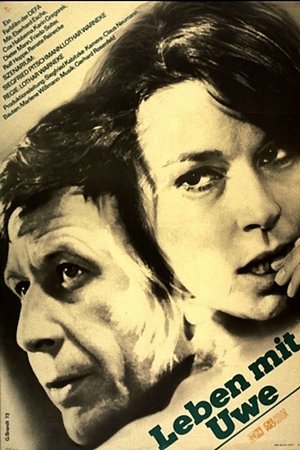


Uwe Polzin, a highly talented biologist publicly stands the defence of his doctorate and this crucial day prompts him to look back on his life so far. These reminiscences are not altogether positive and he and his family still face almost unsolvable problems. For; while Ruth, Uwe's sister, consciously goes without family life and private happiness in order to devote herself fully to her vocation as a doctor; he tries to reconcile career and family. He has found in Alla, his wife - an interpreter - not only a truly loving partner but also someone who shares his basic view of life. Still, their marriage is undergoing a crisis. Uwe's job has become so demanding that he expects her to cope with a great deal of domestic problems. Alla senses that her husband is exploiting her love towards him and that he expects her only to make sacrifices for him. This is why she is contemplating divorce.
Why did Māhū, a term once respected in Hawaiian culture, become so controversial?
Vicenza, a Brazilian girl, goes on a quest by herself to find out who her birth father is by gathering clues.
Ruben Östlund muses about his characters, “As soon as you get close to a person, you see them as just another human being”. It is widely recognized that aboard the luxury yacht in ‘Triangle of Sadness’, the different groups of people represent a small society as a commentary on classism and gender binaries.
At first glance, one wouldn't think John Carpenter's cult classic would be a thematic double-billing - or that Free Guy would be worthy of being mentioned in the same sentence as They Live - but the two films of vastly different genres have more similarities upon further examination.
'Yuri!!! on Ice' turned queerbaiting on its head and gave me hope when I needed it the most.