



"Queen & Slim" Needs a Trim
Queen & Slim is a nice example of representation in both cast and crew
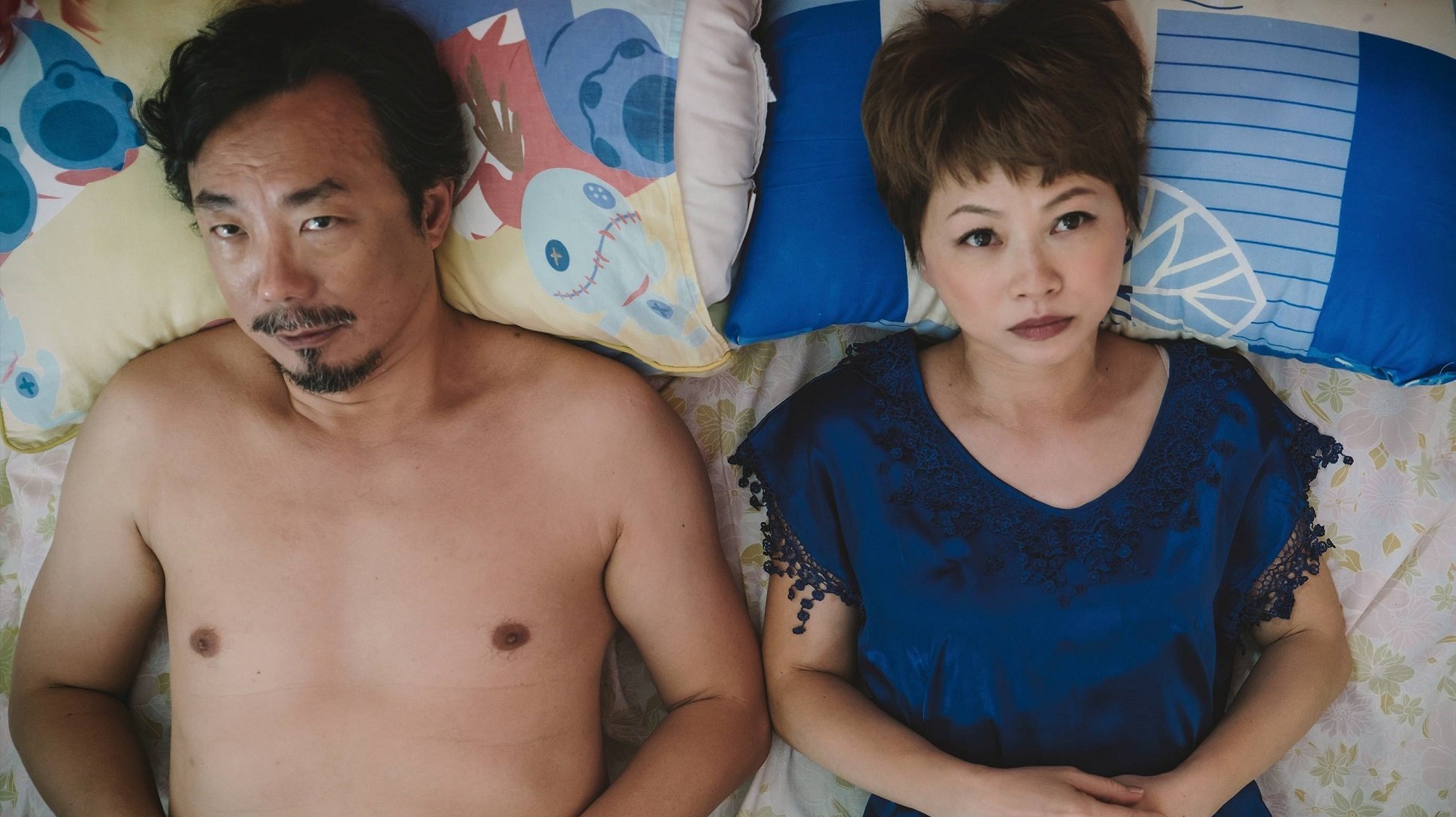



Liu Yang He, a landmark in Hunan province, is not only the film’s original title but also a well-known Communist folk song in China. It was written during the Agrarian Reform that precedes the Cultural Revolution. Youngsters were sent to farmlands and factories to experience intense labour. They sang to praise Chairman Mao. Kah-kah (Rain Lau) was permanently injured in an industrial accident during that time. When Kah-kah meets this amputated client (Ko Hon-man), they feel sympathy with each other and turn this sympathy into a possibility of love as if they were flowing into a river of no return. Here, Rain Lau’s sophisticated performance resembles her award-winning role in Queen of Temple Street (1990).
Queen & Slim is a nice example of representation in both cast and crew
It took writers D.B Weiss and David Benioff two years to give us a promising final season. Two. Years. It was just going to be six episodes, which was short considering that all the other seasons — except season 7 — were 10 episodes. 10. 6 wasn’t enough, and even HBO wanted to give the writers more episodes. More seasons, even. However, the writers wanted to get out of the show as quickly as possible to work on other projects. This abruptness is clearly shown in this season.
The major flaw of the series is that it’s hosted on Netflix and barely makes malicious comments about it despite being focused on the lives of people directly affected by the Capitalist mentality of the OTT corporation.
From its visually stunning opening credits, which show women dancing through a forest to musical rhythms that sound almost primal, to its quiet, heartbreaking final frame, Mona Fastvold’s historical rendering of the Shaker religious movement is an experience that will stay with me for a long time.
In the spirit of Halloween, here's a list of body horror films which can be interpreted as trans allegories.
In a world where we hear ringers and beepers at every corner, technology feels inescapable. This is why technology is often an enemy in Digital J-horrors, like One Missed Call.