



Once Upon a Time in (White) Hollywood
Tarantino's alternative history of the 1960's uncritically repeats the era's sexist and racist stereotypes.
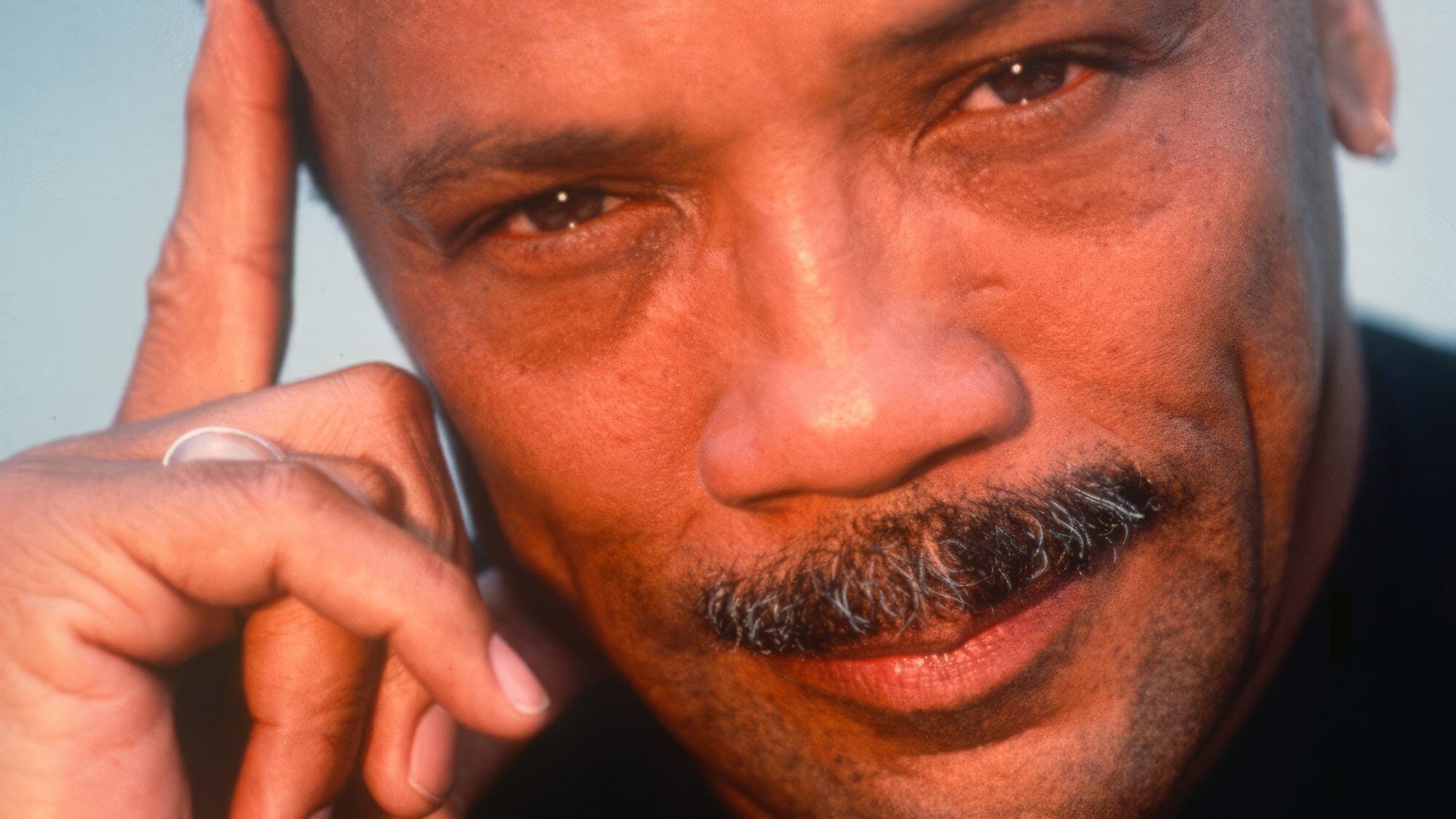
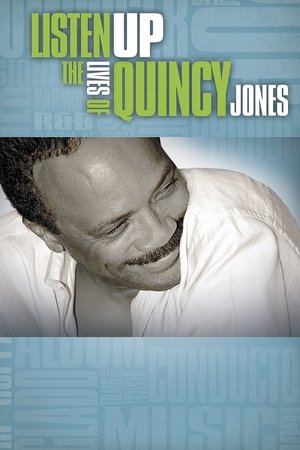


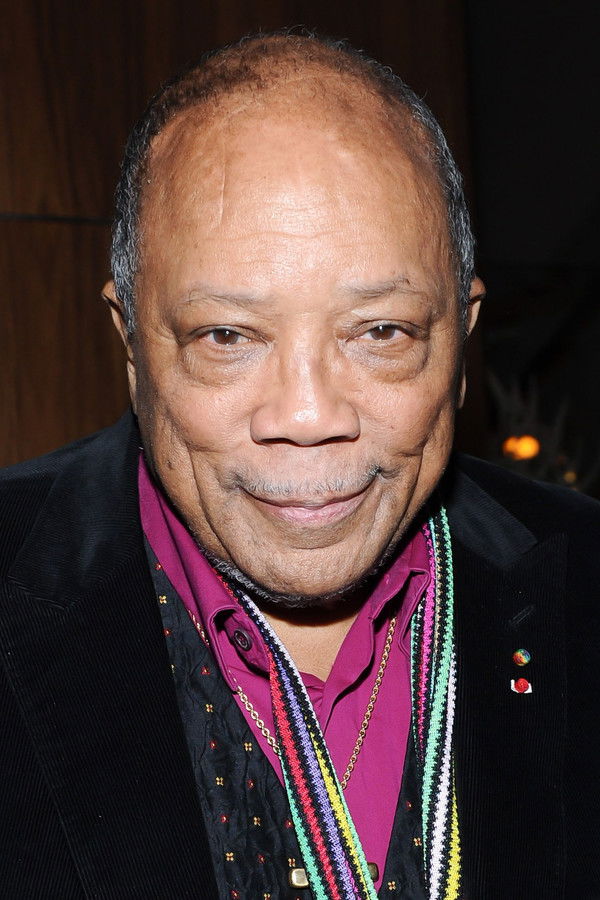
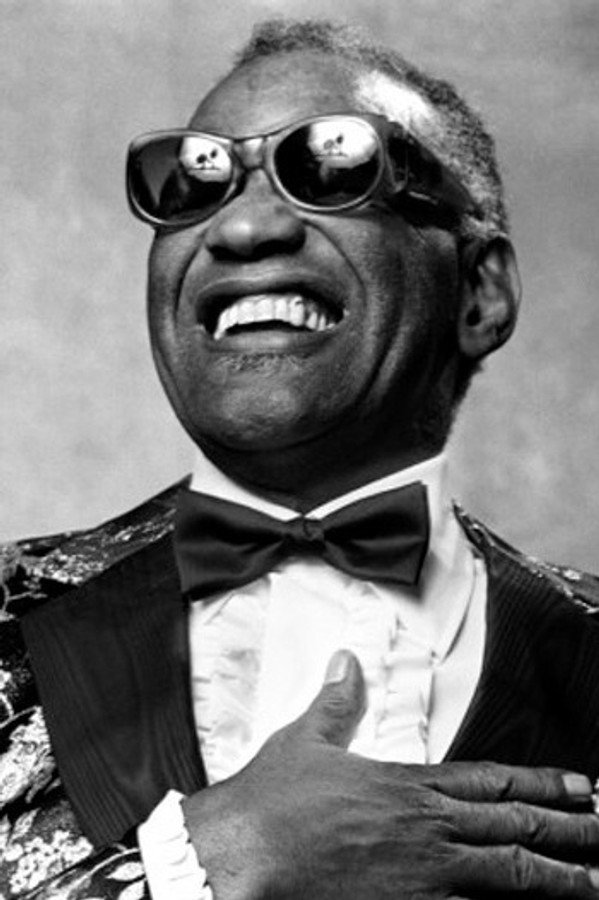
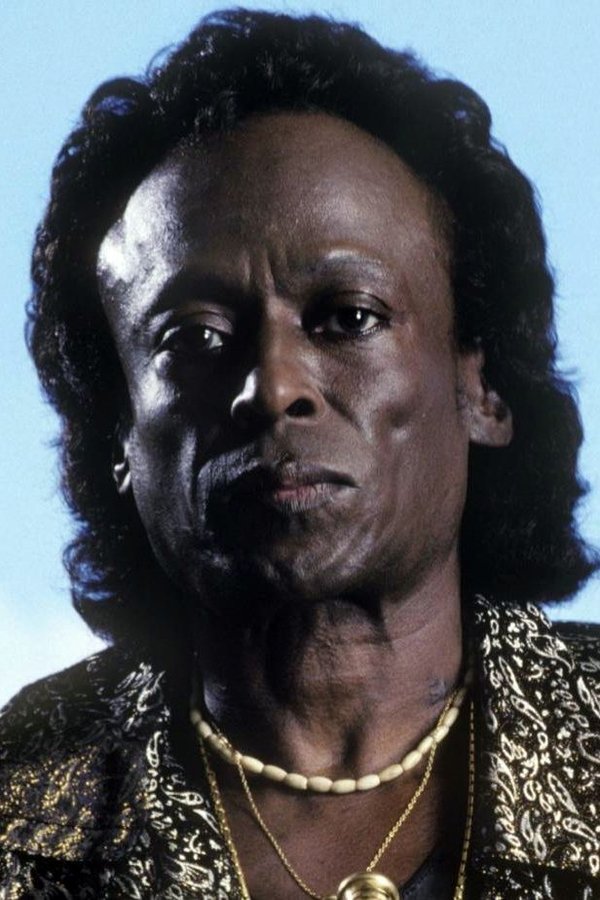
The extraordinary life of Quincy Jones -- one of the 20th century's most influential and talented composers, musicians and music producers -- provides the basis of this offbeat, free-form documentary tribute. With little regard for formal timelines and traditional documentary biography methods, the film is an amazing patchwork of personal insights featuring a constellation of music stars including his long-time friend Ray Charles, Miles Davis, Frank Sinatra, Herbie Hancock, Ella Fitzgerald, Michael Jackson, Aretha Franklin, Dizzy Gillespie and rappers Big Daddy Kane and Flavor Flav, as well as politicians, filmmakers and other important people. Some of the most moving scenes involve Jones returning to his childhood home in Chicago and recounting honest and painful memories from his childhood. Jones does not shy from discussing everything -- from his mother's mental illness, to his marital problems, to his serious health conditions. He also looks frankly at his career.
Tarantino's alternative history of the 1960's uncritically repeats the era's sexist and racist stereotypes.
Mona Fastvold’s nineteenth century lesbian romance is emotionally charged, restrained, and poetic without feeling forced.
Rules are nowhere to be seen in the harsh unfiltered reality of ‘Fair Play.’
Disney’s Hunchback of Notre Dame is a unique film coming from the same studio that brought us The Little Mermaid and Aladdin. While it does have its silly moments to maintain Disney’s family-friendliness, it also carries themes that stick to audiences years after its release.
The Loud House movie follows Lincoln Loud and his 10 sisters taking a family vacation to see their ancestors in Scotland.