



'Causeway' Explores Toxic Masculinity Through Its Protagonists
The message to take away from 'Causeway' is that toxic masculinity can manifest in anyone, no matter what their gender identity is.
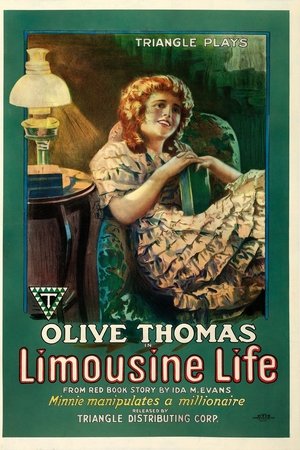


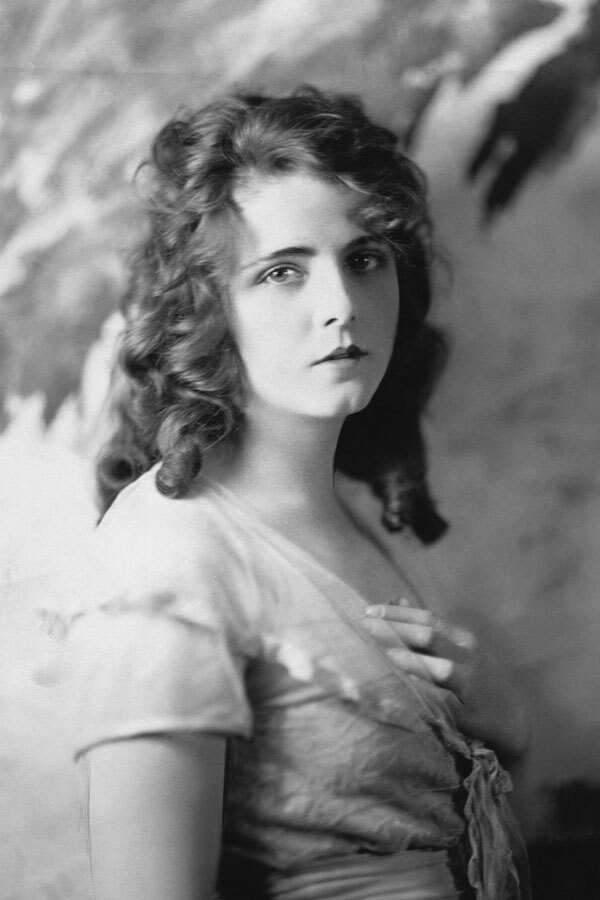
After leaving her sweetheart Jed Bronson, and small country town life, Minnie Wills (Olive Thomas) obtains a job as a model in a stylish Chicago shop and soon attracts the attention of Moncure Kelts, a wealthy playboy. Enchanted by her beauty and innocence, Moncure proposes, but once she has accepted, he loses interest in her and soon becomes desperate to get rid of her. With her emotions very much under control, Minnie agrees to break off the engagement in exchange for a limousine, a large wardrobe, and a large check, and then returns to Three Oaks. Overjoyed to see her, Jed proposes, and after their marriage, Minnie convinces him to establish a business in Chicago. The plan proves highly successful, and later, when the couple encounters Moncure on the street, Minnie thanks him for giving them their start in life.
The message to take away from 'Causeway' is that toxic masculinity can manifest in anyone, no matter what their gender identity is.
What happens to an inseparable bond when love for competing morphs into competing for love?
This coming-of-age movie based on the 1970 book by Judy Blume gives viewers a scope on female topics in the quest for a religious identity.
This incarnation of Animal Farm is filled with the generic plot points, immature humor, cardboard characters and visual flaws that you have come to know from today’s lesser children’s films.