
Quintessential Directors: Barry Jenkins
A brief look at two Barry Jenkins films that have established him as one of the greatest filmmakers of our time.
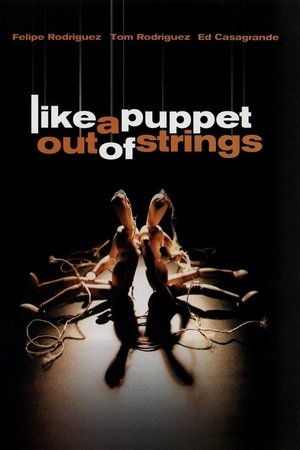


Two Brothers; Tom and Felipe, have moved up the ranks of the street gangs because they have no greater devotion than the protection of each other. Luis, former gang member, is now a cop, his life having been turned around by Angelica, a female cop. When Tom is blamed for the shooting death of Angelica, a crime his brother Felipe committed, Felipe is forced to agree to Luis' terms in order to save Tom. Luis decides to convert Felipe just like he had been converted 10 years earlier. Eventually the brothers must face each other on the opposite sides of the law and chose between right and wrong, thier past and their future.
A brief look at two Barry Jenkins films that have established him as one of the greatest filmmakers of our time.
"His Girl Friday" set the bar for romcoms and gave us a feminist heroine before feminism was cool.
'Brother' is a gripping family drama with dazzling performances all around.
The Forge is a moving story about a young man’s search for purpose. Through mentorship, discipline, and faith in God, his life is transformed from confusion into clarity, reminding us that true greatness is shaped in the fire of surrender and growth.
When diverse representation is featured on-screen, it oftentimes comes with strings attached that undermine the message they were trying to send. This can be attributed to the fact that behind-the-screen, the industry primarily does not reflect the breadth of diverse difference that is present in daily life. That’s why when something as powerful and authentic as Minari comes along, it is both incredibly wonderful and needs a large audience to witness it.