












‘The Wrong Missy’ is a Miss
The characters aren’t likable, the story is predictable and the humor is either disgusting, obnoxious, or uncomfortable. The Wrong Missy is a mess of a film and it’s not really worth your time.

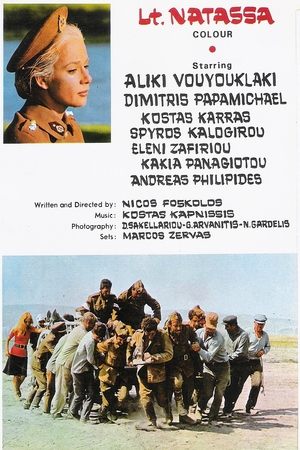


The year is 1965. Natasa Arseni visits Dachau, the place where she was found by the Americans at the end of the World War II. She returns to Greece, and during the train ride she recalls those past events. Before the beginning of the Greek-Italian war, she met Orestis . With the German invasion, Orestis, who was an officer in the Greek army, left for the Middle East. She followed him and accompanied him back to occupied Greece on a mission. She was arrested, interrogated and tortured and was finally sentenced to execution.
The characters aren’t likable, the story is predictable and the humor is either disgusting, obnoxious, or uncomfortable. The Wrong Missy is a mess of a film and it’s not really worth your time.
A young girl who is determined to sail the ocean within 210 days at sea brings an adventurous story for viewers.
Like most young people, Leviticus is imperfect. But I love it anyways.
In a film where a Black couple is framed to be the lead characters, they still managed to get shuffled off to the sidelines. The enthusiastic cast delivers well on goofy bits- but can only go so far before they begin to fall flat.
The Season 3 finale overall upholds everything that Incluvie is primarily concerned about when it comes to media content
Mirrorball is full of passion and love for the medium of cinema and is indeed a fitting love letter to La La Land.