


Is She The Suitcase Killer?
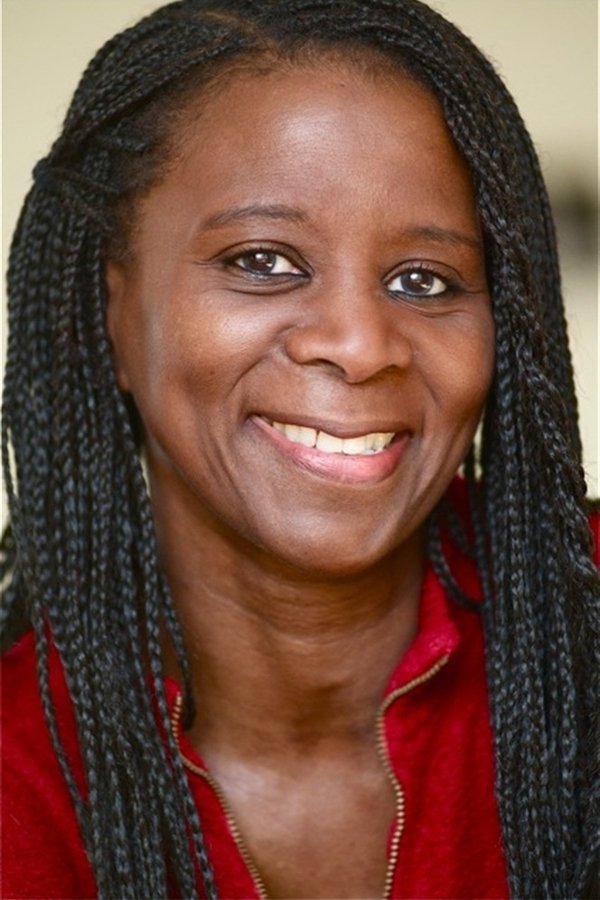
Remember Caroline from Vampire Diaries? Well, now she’s The Suitcase Killer, allegedly.

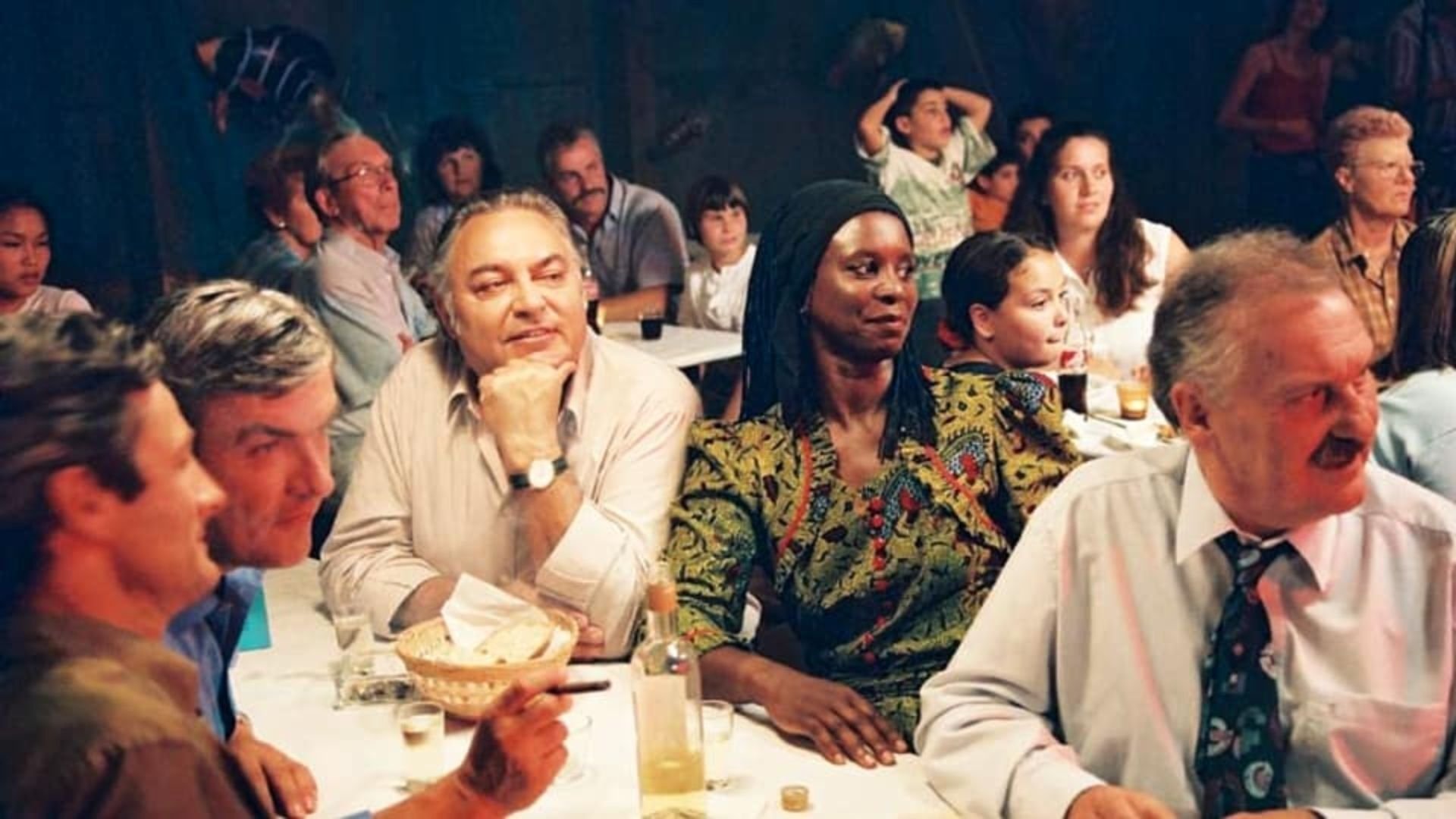
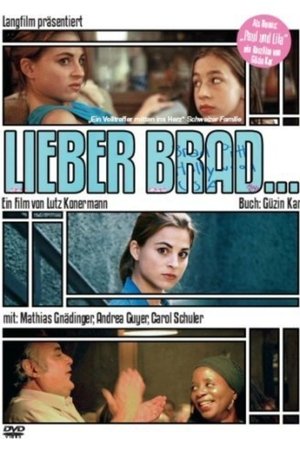
In letters to her idol, Brad Pitt, twelve-year-old Tina Vonlanthen pours out her heart about what life in a small Swiss border town on the Rhine is like: trouble with her older sister, twenty-year-old Babs, "who still hasn't found a man," and worries about her single father Urs, who has been so distracted lately. But it is neither spinsterhood nor Alzheimer's that the Vonlanthens suffer from. Rather, it is the small and large love affairs that they try to keep secret from each other: Babs' lover is her married German boss—and Urs' girlfriend is Caroline, a black woman from Cameroon. At the local big event, the "fish dinner," everything comes out in the open—and Tina also has some heart-pounding experiences that she prefers to keep quiet about in her letters to Brad...
Remember Caroline from Vampire Diaries? Well, now she’s The Suitcase Killer, allegedly.
The social issues The Half of it takes on are handled well, between the antagonization brought on to Ellie for her race and the conflict that arises from her being gay. Both aspects of her character are built up over the course of the film and don’t seem abrupt or rushed. The film shows racism towards Ellie and her and father in varying levels, from having her schoolmates specifically address her as "Chinese girl” to the fore mentioned way her Dad is treated due to language barriers. The same can be said about Ellie being a lesbian. While she never truly “comes out” in the narrative, that does not undermine her journey of self-discovery from being meaningful. These ideas aren’t thrust upon the viewer in a preachy manor, the scenarios that occur feel believable given the rural setting. The film presents watchers with problems whom those like Ellie may face, and leaves us to sit with them and reflect.
This live-action Barbie movie brings strong feminism and topics about blondes.
These confines won’t really encourage you to read the film as a metaphor for the nerve-inducing experience we’ve all been through over the last year, however — and in the interest of maintaining your dignity, you probably shouldn’t. While the sociopolitical commentary may have worked for the similarly-themed Buried (2010), in which we find Ryan Reynolds on his own buried alive in the Middle East, but this futuristic take on the premise is best left as a piece of distracting entertainment. Nevertheless, the atmosphere is no less suffocating, literally and dramatically.
Of the 28 total films I watched, just six of them were queer or featured queer characters in some way.
Disney has a glaring and, up until recently, unaddressed issue that spans nearly its entire lifetime - an absence of diversity.