

Gus Van Sant's Constant Thematic and Cinematic Elements
The differences in these films could not be more blatant, and yet Gus Van Sant has found a way to portray the same messages and use the same techniques in each.
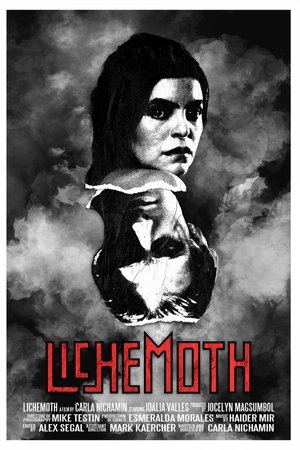


This horror-romance follows loner photographer, Doll, tasked with a last minute concert shoot of black metal band, Lichemoth. After inhaling a mysterious substance at the show, her resistance to connection is penetrated. Instantly, visions of a strange man start to infiltrate her mind, leading her to a pleasurable reawakening.
The differences in these films could not be more blatant, and yet Gus Van Sant has found a way to portray the same messages and use the same techniques in each.
We got a movie that takes the old school approach of trying to creep you out with chilling atmosphere more than anything else.
My review’s title is a nod to Shakespeare and is entirely deliberate. The original movie portrayed the high-end fashion world as a brutal arena of plotting, backstabbing, and betrayal, and most Shakespeare’s plays depend on these plot devices. The Devil Wears Prada 2 uses the same formula, and is, plot-wise, almost identical. Once again, we plunge into the cutthroat world of Runway, where to get and stay at the top, you must let go of your principles and moral sense. The only thing different is that due to the digital era, Runway is not a print magazine anymore, but one that is running online.
Dramatic Horror!!! Wait, what?? Did you say "dramatic horror"?? IS there such a thing?? I mean, TRULY. Well, if San Francisco-based, Pakistani-born independent filmmaker Dr. Hassan Zee and this film critic have anything to say about it, there IS such a beast as experienced through the director's newest feature film set to officially debut October 4th in the City by the Bay. Folks, indie film will always be a bastion of experimentation and originality, and this film for me fits that bill.
For those that are unaware, the trailer for the new Civil Rights movie Till has been out and it's absolutely amazing for all to see.
In 'Maestro,' we're left with an impression but not with an understanding of the main character.