

Halt and Catch Fire's Trailblazing Queer Representation
It was always people for Joe, and he ultimately found them at the end of a long, painful, yet illuminating quest for self-discovery outside of one, confident constant - his bisexuality.
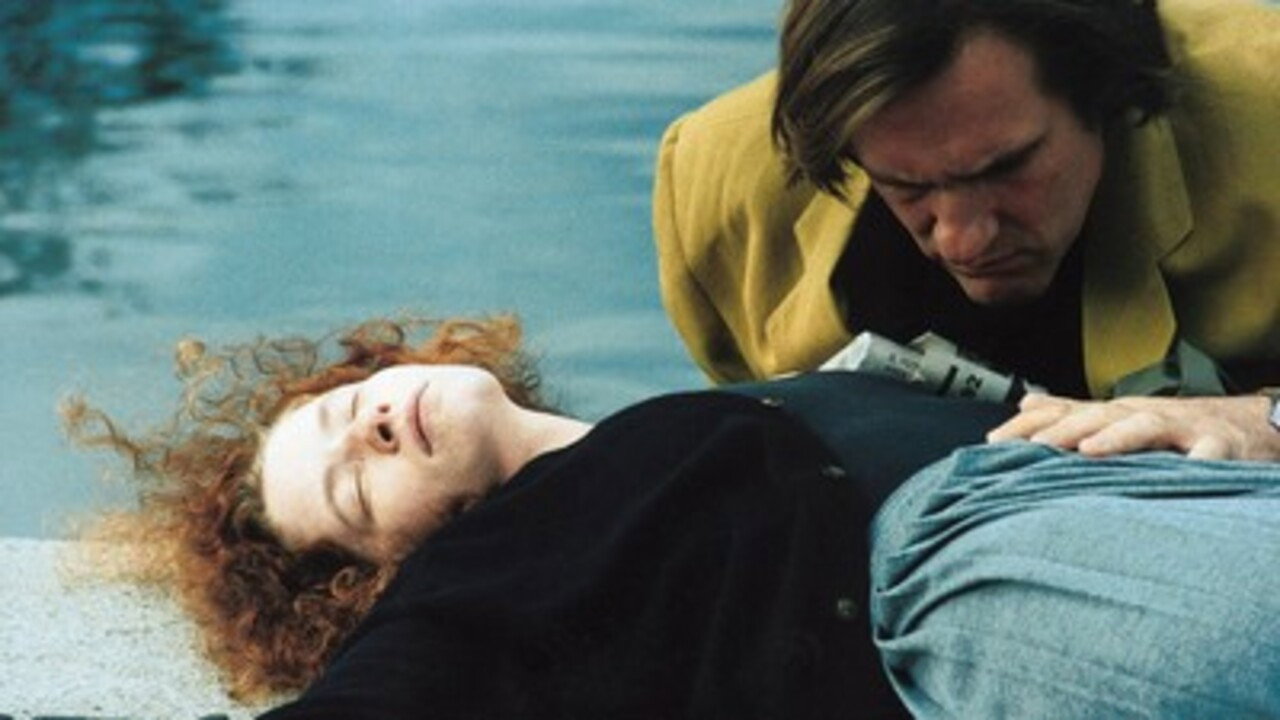
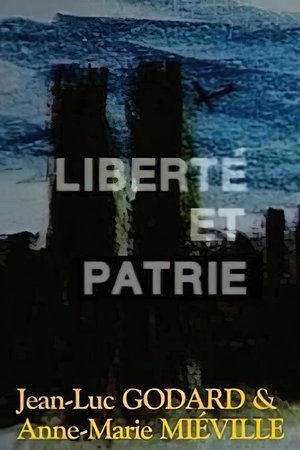


The title of this twenty-minute video by Jean-Luc Godard and Anne-Marie Miéville, “Freedom and Fatherland,” is the official slogan of the Canton de Vaud, in Switzerland, where the filmmakers live and grew up. To fulfill their commission from a Swiss cultural festival, they adapted a great Swiss novel, “Aimé Pache, Painter from the Vaud,” by Charles Ferdinand Ramuz, from 1911 (about a local artist who goes to Paris for his education and then returns home) and extruded its autobiographical analogies to Godard’s own life and work. Using a choice set of clips from Godard’s films to coincide with events from the painter’s life, verbal references to modern times and to Godard’s own—Sartre, the late nineteen-sixties, the cinema—and images of the Swiss terrain, which plays a decisive role in the work of Pache, Godard, and Miéville (an important filmmaker in her own right), they produce the effect of mirrors within mirrors.
It was always people for Joe, and he ultimately found them at the end of a long, painful, yet illuminating quest for self-discovery outside of one, confident constant - his bisexuality.
Unknown Origins promises a cool spin on superheroes and serial killers, but ultimately delivers cheap comedy.
Self expression among teenagers is explored in the live adaptation of Jerry Spinelli's novel of the same name.
The second episode of the highly anticipated Afrofuturism series delivers with a high-speed race teaching us to go far beyond just accepting ourselves.
The animated musical adventure beings fantasy and magic to viewers as they follow Keegan and Moya.