


Samantha Mitchell’s “RSVP” Incluvie Film Fest Review
“There’s always something you can do…to make people feel like they’re welcome”

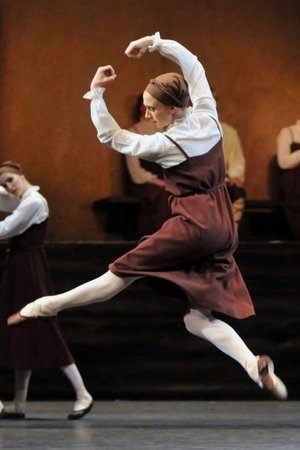
Les noces - one of Stravinsky's last works on Russian themes (first performed in 1923 with choreography by Bronislava Nijinskaya). Stravinsky's "The Wedding" is a vivid example of the "rhythmic" music characteristic of the work of the composers of the 1920s and 1930s. Rhythm in it is not only the primary organizing principle, but also the most important factor of musical language. It is characteristic that the composer here does not need either strings or wind instruments: the score of the Wedding, in addition to the voices, consists of percussion, which requires six performers at once, as well as four pianos, which are used here as a special kind of percussion.
“There’s always something you can do…to make people feel like they’re welcome”
If you want to feel the rush, you have to take the risk.
A refreshing twist is that all the kids’ powers are…kind of useless. There’s a kid who can only move in slow motion, a kid who has every power in the world but can only use them randomly, and our main character Missy who has no powers at all. The thesis of the film seems to be that it doesn’t matter what kind of powers you have, its the way you use them, which is good for the warm and fuzzies.
A collection of the ten best films that captured William Shakespeare’s pathos the best, both for the diversity they bring, and of course “the aesthetic."
'Alice' is a genre trifecta: one part revenge drama, one part historical account, one part throwback to Blaxploitation—kinda 'Django' meets 'Roots' meets 'Foxy Brown.'
The film exhibits a respect for the craft and an empathy for human tribulations that have historically been ignored.