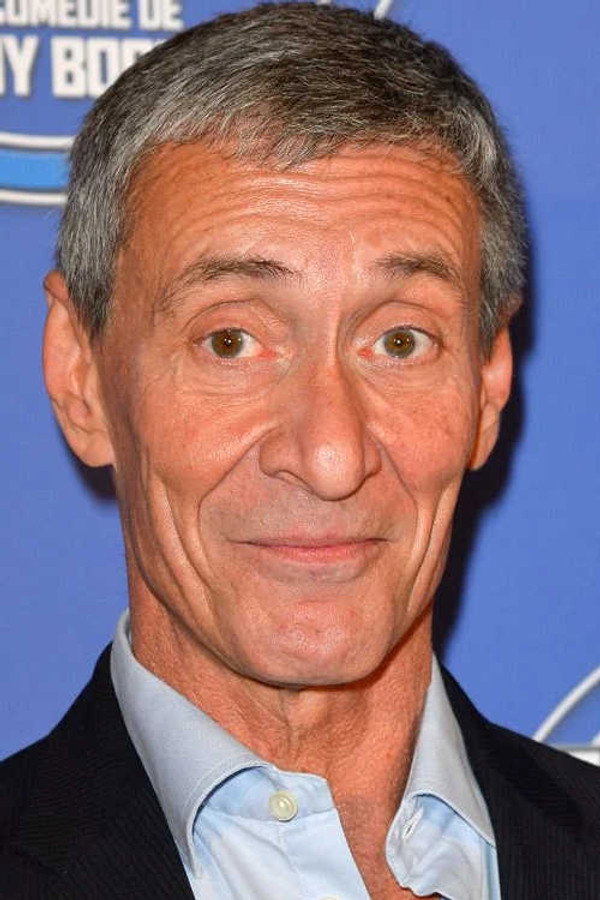
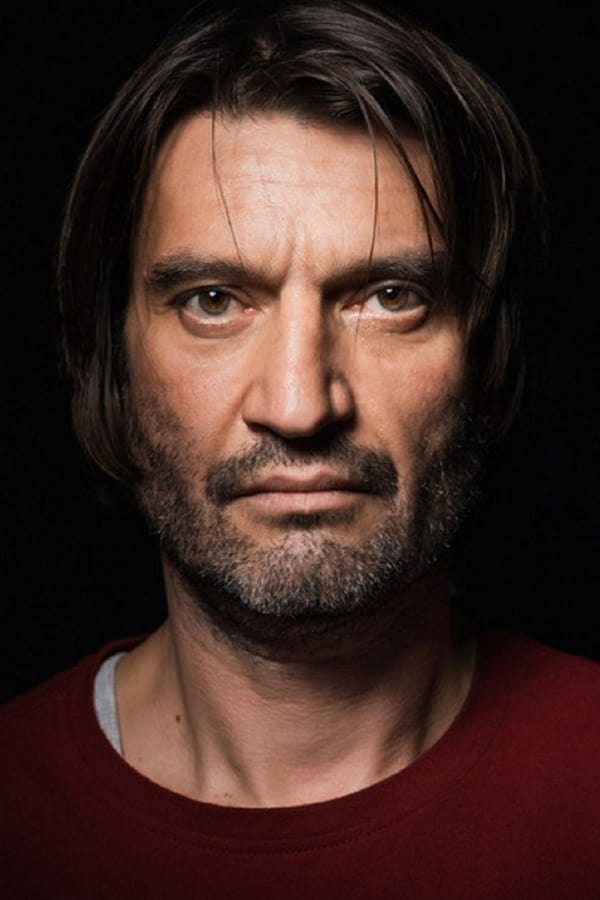
In basic storytelling, there is an idea called “save the cat.” It states that a protagonist should do something heroic in the film to help the audience get behind her and her cause. For example, saving a cat from being stuck in a tree. Now, it’s true that not every protagonist needs to save a cat, strictly speaking. The problem with Clayface is that the main character, Matt Hagen (played by Tom Rhys Harries), not only metaphorically fails to save a cat, he instead kidnaps that cat, holds it for ransom, burns it, and throws its ashes into a dumpster after pocketing its owner’s money.
That doesn’t actually happen in the film, but, point being, Clayface has a main character who is absolutely awful. He is a mass murderer, without any justification, who likes to sexually pursue other people’s partners. This means that we are without a strong protagonist most of the runtime. There are a couple characters who could serve as the film’s moral center, most notably Dr. Caitlyn Corr (played by Naomi Ackie), but they don’t have enough screentime or make enough pivotal decisions.
Horror films almost always need a strong protagonist, because in order to be scared of the antagonist, we need to be concerned for somebody’s well-being. Not only does Clayface not capitalize on the potential for a strong protagonist, it also features an incredibly weak and generic antagonist. David Dencik plays Markos Szabo, a mob boss that feels less like he belongs in a 2026 feature film and more like he belongs in a 1940s Looney Tunes cartoon. Perhaps that works with Clayface being a character from Batman, a noir comic series from the early twentieth century, but that feels less like a reason and more like an excuse.