


No One Mourns the Wicked?
Ultimately, Wicked is a story about the cost of being othered, the pain of being misnamed, and the quiet revolution of standing in your truth.
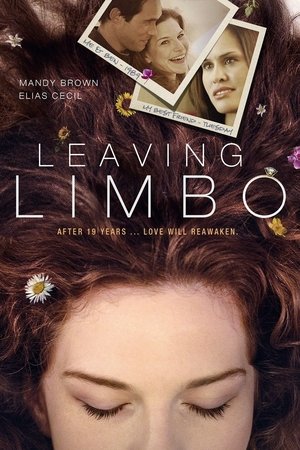


Monica Wyatt is a totally '80s teenager on the brink of a bright future when her dreams are destroyed by a car wreck that leaves her in a coma for 19 years. After miraculously awakening at age 38, Monica finds her once-perfect life in shambles and an unrecognizable world around her. As she struggles to fit into a world of Starbucks and cell phones, she attempts to win back the love of her life. In the process, she experiences a true wake-up call.
Ultimately, Wicked is a story about the cost of being othered, the pain of being misnamed, and the quiet revolution of standing in your truth.
In Spike Lee’s She’s Gotta Have It (1986), we follow the love life of powerful female protagonist Nola Darling (Tracy Camilla Johns) and explore the relationship dynamics she has with her partners. She sees three men simultaneously: Greer Childs, (John Canada Terrell) Mars Blackmon (Spike Lee), and Jamie Overstreet (Tommy Redmond Hicks). Though an 80’s film, She’s Gotta Have It is surprisingly progressive with its themes of female sexuality, although at some points in the film it is handled clumsily. Overall Nola is an incredibly compelling character especially for modern women, as we as a society acknowledge female sensuality more and more without the negative stigma.
A K-9 police dog goes undercover to stop an illegal animal smuggling ring and learns a valuable lesson along the way.
Hutch just wanted a family vacation, but chaos follows him everywhere. Nobody 2 is violent, stylish, and over-the-top in the best way possible.
The legacy of this movie starts off the film series with a bang of magic, plot twists, and battles.