



Writing Great Villains: Why They Shouldn't Be Sympathetic
Writing great villains is about striking a balance between charming and evil, so we love them but also love to see them lose.

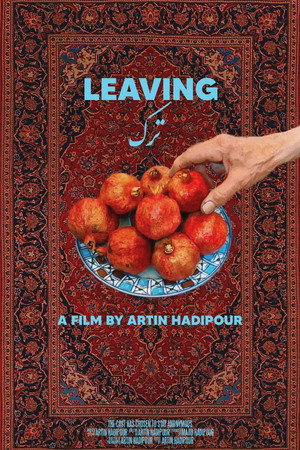
Set in a quiet Iranian field, Leaving follows a dialogue between a house and a mountain as a family departs. It is a poetic meditation on migration and memory.
Writing great villains is about striking a balance between charming and evil, so we love them but also love to see them lose.
Narnia, Avengers: Doomsday, Jumanji 3 are some compelling ones! Some of the biggest 2026 movies tied to popular franchises, books, video games, comics, and existing series. Marvel and DC, Disney and Pixar.
This incarnation of Animal Farm is filled with the generic plot points, immature humor, cardboard characters and visual flaws that you have come to know from today’s lesser children’s films.
To say Hollywood has had a troubled past is the understatement of the century. In Ryan Murphy’s (American Horror Story) new Netflix series, Hollywood, that past is confronted and even rewritten.
Him is visually stunning—all concrete cathedrals and bone-rattling impact shots that look like a nightmare highlight reel. Marlon Wayans is magnetic as this legendary quarterback who's basically selling salvation with a smile that never quite reaches his eyes. But the story keeps running in circles: more tests, more cryptic pep talks, more ritualistic drills. The sports-as-religion metaphor beats you over the head when subtlety would've been more effective. The middle drags, and that finale chooses spectacle over substance. It's undeniably stylish, but left me cold. Also worth noting: despite the Monkeypaw connection, this isn't actually a Jordan Peele film—he didn't write or direct.