
"Nightborn" and Why We Need More Feminist Horror
Coralie Fargeat once said that “Being a woman is body horror,” and when you think about the ways we are taught to experience our own bodies, it becomes almost impossible to argue with her.
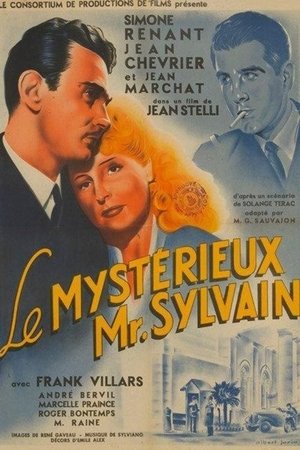


In an aero-naval base, a marine engineer who was about to deliver the name of a redoubtable spy is murdered. Shortly afterwards three different men appear on the crime scene, each of them claiming to be Monsieur Sylvain, the expected sleuth. But which of the three investigators is actually Sylvain? And what about this delightful young lady who arouses one of the police inspectors? Couldn't she be the murderous spy?
Coralie Fargeat once said that “Being a woman is body horror,” and when you think about the ways we are taught to experience our own bodies, it becomes almost impossible to argue with her.
The differences in these films could not be more blatant, and yet Gus Van Sant has found a way to portray the same messages and use the same techniques in each.
Perhaps the most amazing and groundbreaking quality about The Birdcage is how removed it is from both illness and insensitivity. Whereas films preceding it were often somber stories about the tribulations of being gay in a conservatively straight world, Nichols and screenwriter Elaine May expose the fallacies of conservatism as traditional values are thrown into a more open-minded space. They don’t care how far the community has fallen so much as how high they can rebuild themselves.
As Andrew’s life begins to change, his passion for drumming soon becomes a spiraling obsession in the pursuit of perfection. Through the use of disturbing and abusive training methods, Fletcher puts Andrew through emotional and physical agony.
Crossroads follows a young guitarist on a journey through the American South in search of blues history and his own voice.
While subverting the conventions of Golden Age cinema with the characteristics of a slasher, Pearl studies the delusions of grandeur inspired by the movies.