



“Leviticus” and Leviticus
Like most young people, Leviticus is imperfect. But I love it anyways.
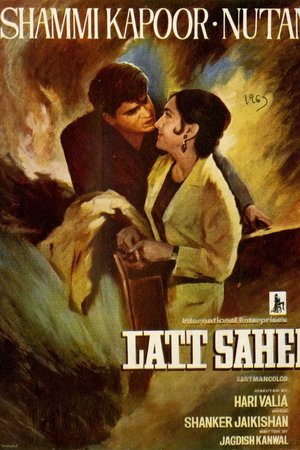


A woodcutter, Jangu lives a poor lifestyle in Kashmir along with his widowed mother, who fears that he is going to die soon after Dassera. She keeps on praying for his well-being and safety, and cautions him to be careful all the time. But Jangu does quite the opposite, gets into fights, even kills a man-eating tiger, and romances his employer's daughter, Nikki, after risking his life and rescuing her twice. Nikki too falls in love with him, much to the chagrin of her estate Manager, Prem, who is the choice of her wheelchair-bound dad. Circumstances will compel Jangu's mother to change her mind about his long life and safety, and she not only curse but also viciously assault, and wish him dead.
Like most young people, Leviticus is imperfect. But I love it anyways.
This film is a splendid mix of mediums, but its strength lies in its simplicity and beautiful message of closeness.
An in-depth discussion about anti-Black discrimination in college and professional football.
The differences in these films could not be more blatant, and yet Gus Van Sant has found a way to portray the same messages and use the same techniques in each.
Despite its aggressiveness, the Beef anthology series is about romantic love in all its forms. The final scene of the first season led us to believe that, despite the conflict, drama, and toxic traits, the main characters would end up together and, most likely, live happily ever after. The whole “beef” plot was the prelude to their love story.
The clever but socially-awkward Tetê joins a new school, and she'll do anything to fit in.