The ABCs of Abbott Elementary: Janine Goes To School
Check out the ABCs of Abbott Elementary - Cast & Reviews - In 'Abbott Elementary' showrunner and star Quinta Brunson highlights common issues among teachers deserving of Superhero Status.
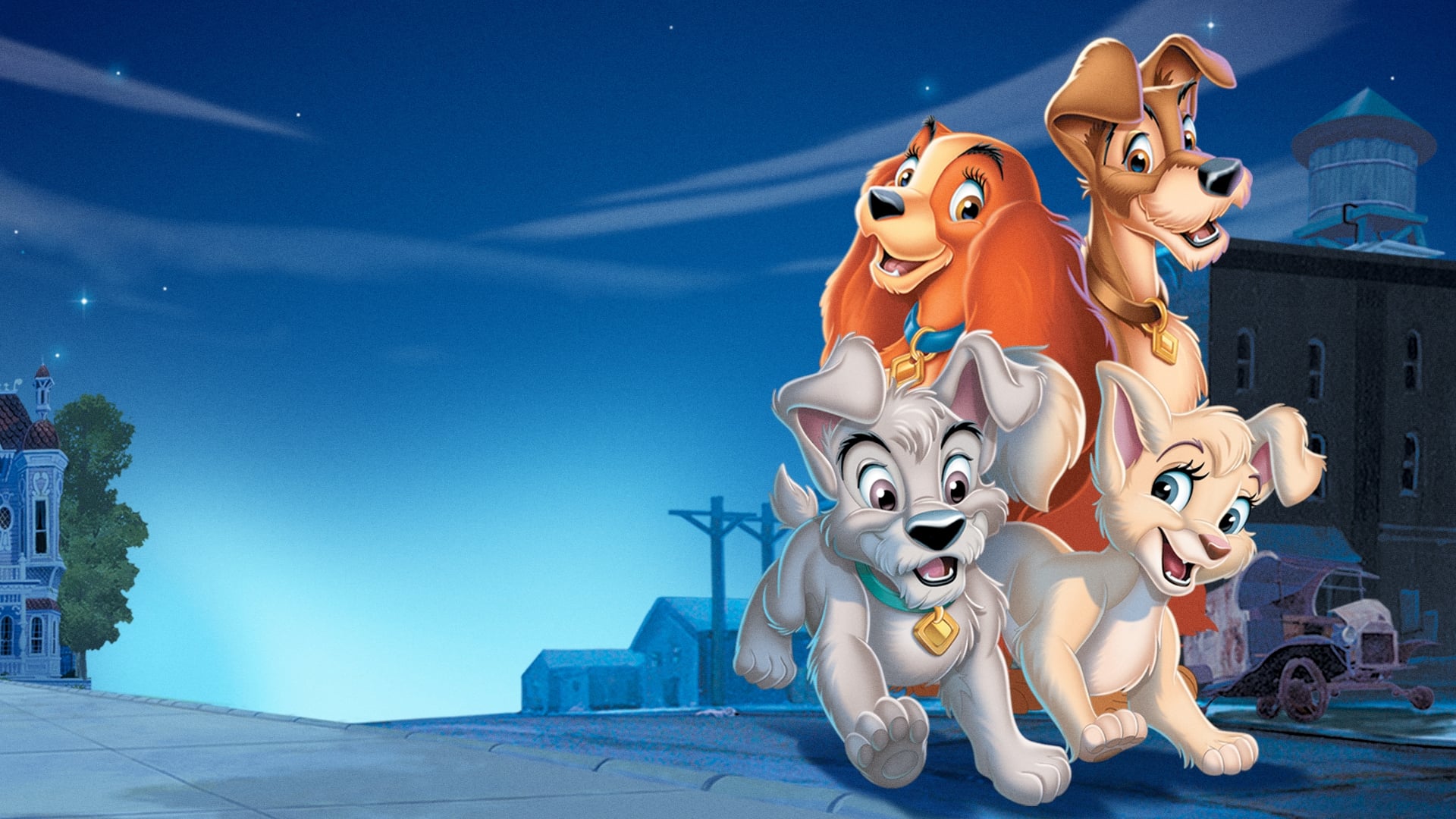
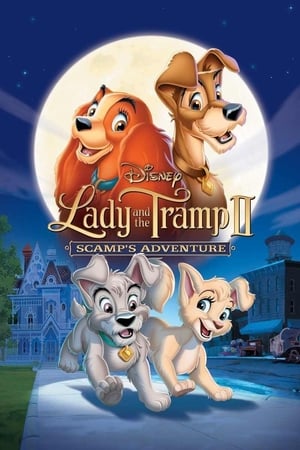


Lady and Tramp's mischievous pup, Scamp, gets fed up with rules and restrictions imposed on him by life in a family, and longs for a wild and free lifestyle. He runs away from home and into the streets where he joins a pack of stray dogs known as the "Junkyard Dogs." Buster, the pack's leader, takes an instant disliking to the "house-dog" and considers him a rival. Angel, a junkyard pup Scamp's age, longs for the safety and comfort of life in a family and the two become instant companions. Will Scamp choose the wild and free life of a stray or the unconditional love of his family?

Darrell Rooney, Jeannine Roussel
Director

Scott Wolf
Scamp (voice)

Alyssa Milano
Angel (voice)

Chazz Palminteri
Buster (voice)
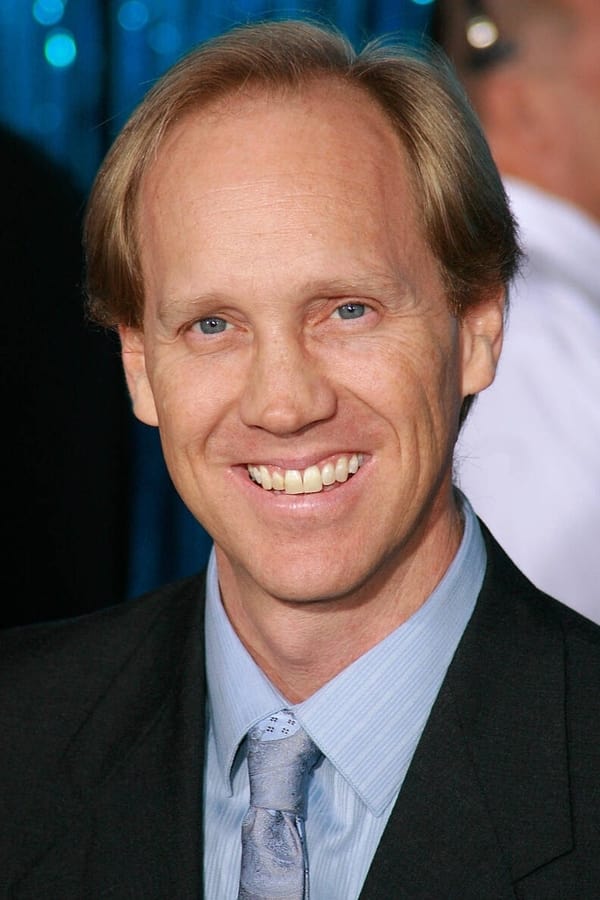
Jeff Bennett
Tramp / Jock / Trusty / Dogcatcher (voice)

Jodi Benson
Lady (voice)

Bill Fagerbakke
Mooch (voice)

Mickey Rooney
Sparky (voice)

Bronson Pinchot
Francois (voice)

Cathy Moriarty
Ruby (voice)
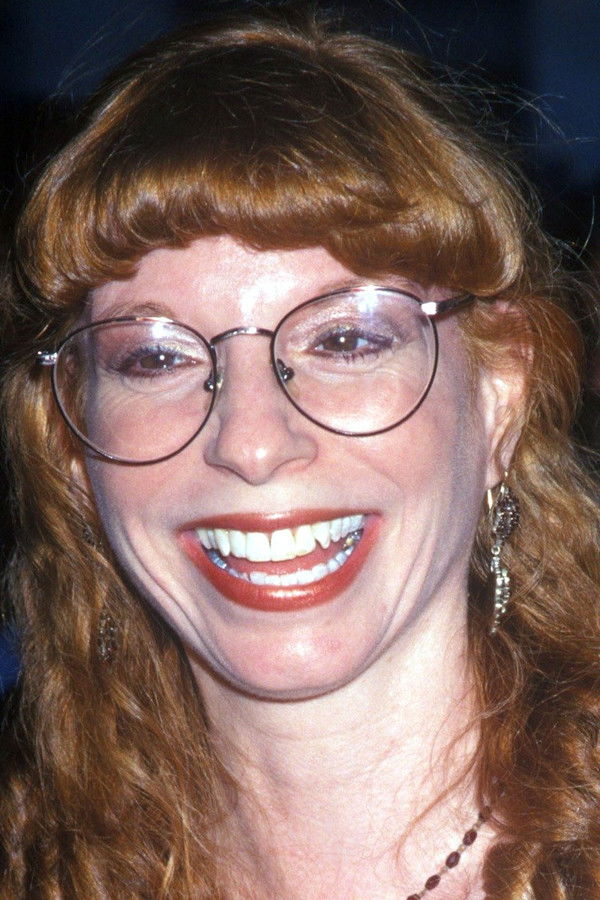
Mary Kay Bergman
Si (voice)

Debi Derryberry
Annette (voice)
Check out the ABCs of Abbott Elementary - Cast & Reviews - In 'Abbott Elementary' showrunner and star Quinta Brunson highlights common issues among teachers deserving of Superhero Status.
This inspiring true story falls nothing short of filling the audience with a passion to strive for their wildest dreams.
The story is a moving sentiment of letting go of the past and putting trust and faith into others. Though you come into this world alone, surrounding yourself with others that support you and want to help is the greatest gift life could ever give.
Who knew a drunken game of truth or dare could launch one of the most chaotic rom-coms of the year? The Threesome takes Connor’s fantasy night with Olivia (Zoey Deutch, in peak queen-of-indie form) and Jenny (Ruby Cruz) and flips it into a deliciously messy nightmare when both women end up pregnant. What follows isn’t cheap comedy—it’s a whip-smart, heartfelt exploration of love, consequence, and the beautiful disasters we call adulthood.
Tired of being cooped up in their cages, the critters escape the Australian zoo and try to find their way to the outback.