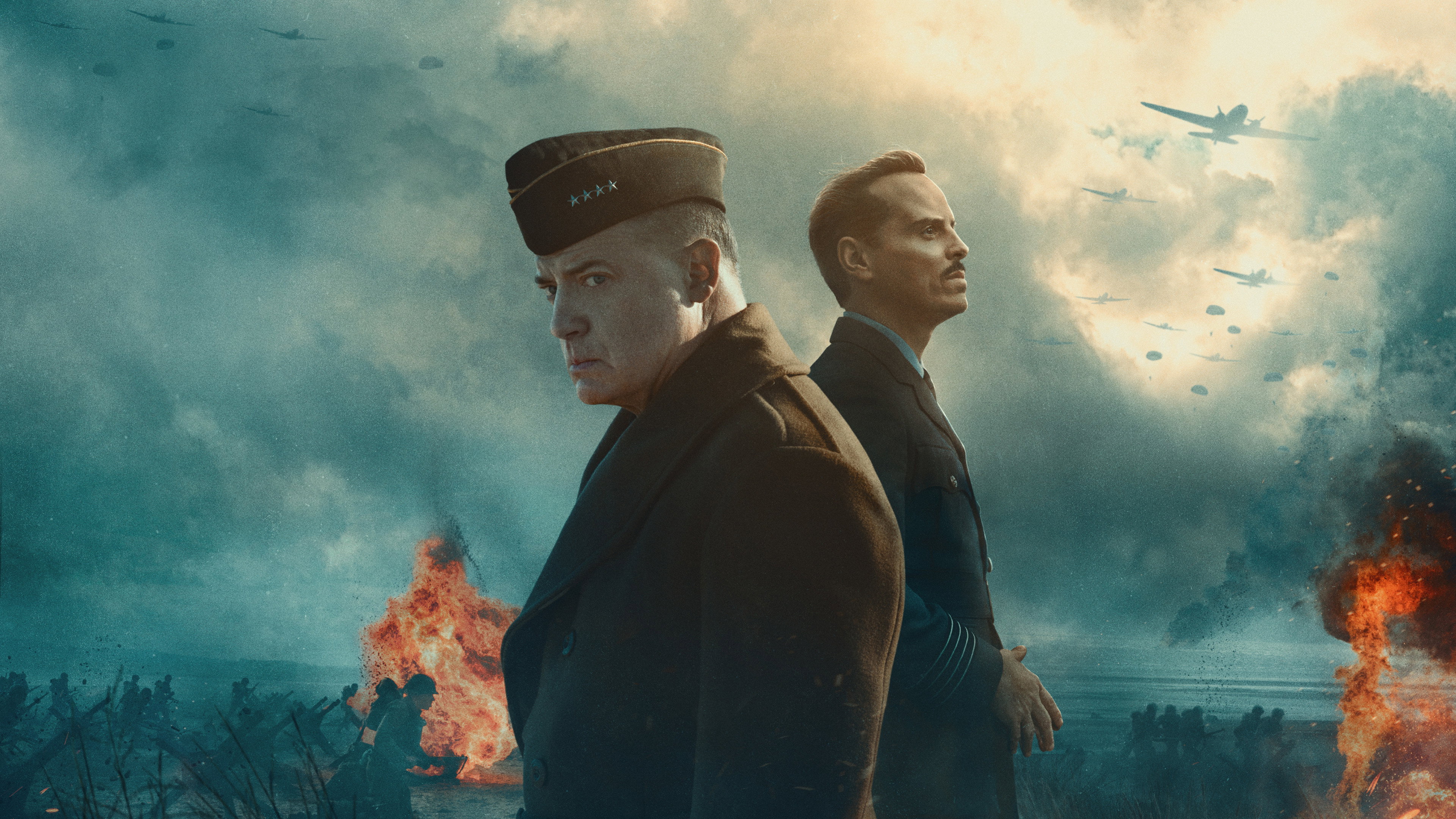
The title of this film has a triple meaning. The most apparent allusion is to barometric pressure. The second-most apparent allusion is to the pressure that our main character and his team is under to accurately forecast the weather on D-Day. But the most concealed allusion is the pressure the audience is under to withstand the tension and excitement. That tension and excitement being produced by, what else, World War II and meteorology.
In respect to all three examples, Pressure amplifies gradually. In the first twenty minutes, the movie doesn’t feel especially compelling, in fact it feels quite pedestrian, well into “seen it before” territory. But that seems intentional. Slowly it builds. You get drops of genius here and there, followed by a consistent stream of interesting characters interactions, until the levy starts to break and the excitement floods the screen. By the time you make it to the actual D-Day invasion, you are absolutely hooked. The combat scenes don’t take up much screen time, but they are the most gripping part of the film, and they are placed in a genius fashion.
This film is anchored by its performances. Brendan Fraser is the most famous of those in the cast, playing the most famous character in the film, General Dwight David Eisenhower. His performance mirrors the film’s pacing: at first it feels somewhat weak, then drips of brilliance drop, followed by a consistent stream of excellence. It’s no match for his performance in The Whale, but it still compels, especially in moments of anger. Our actual main character, James Stagg, is played by Andrew Scott, who must have spent an inordinate amount of time preparing for this role as he delivers one of the most convincing performances of 2026. His character is often reserved, intentionally holding back his emotions, which makes the moments where they leak out that much more effective. The rest of the supporting cast isn’t quite as notable but still provides ample support, and not nearly enough credit will go to the individual soldiers who play brief but excellent roles in the film.
As with any film taking place in the 1940s, this film runs into some political barriers. If you’re looking for diversity and representation, you won’t find it here. This isn’t surprising. At a time when Harry Truman had yet to desegregate the military, and in a film that primarily focuses on leadership rather than infantry, the cast is a sea of white and neurotypical people. Women feature in the film, but only as support to men. This isn’t surprising. It would not only be historically inaccurate to cast otherwise, but also ignorant of the social realities of the time. I don’t fault the film for lacking minorities, but at least one or two lines of lip-service to the existence of them might have been appreciated.
Any film that is about or depicts war will inevitably be subject to the criticism that it glorifies war. To the extent that this film shows combat scenes in an attempt to excite or thrill you, yes, it glorifies war that way. But Pressure also makes an active attempt to show D-Day as a marathon of death and suffering rather than some cool video game scene. Only survivors of war can truly gauge whether an on-screen depiction is respectful or not, but this civilian thinks that what we see here is at least tasteful.