
The Peanuts Movie Carries on a Long Legacy
A legacy based on the comic strip for old and new fans of Peanuts.
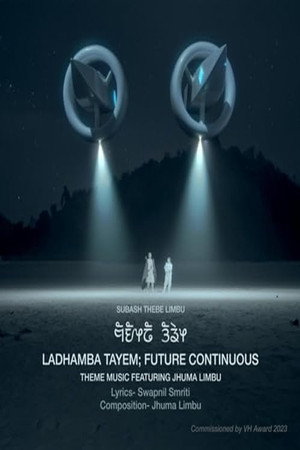


The film borrows its name from the verbal inflection that specifies an action or state is happening at a particular time in the future; »tayem« being »future« and »ladhamba« being »continuous« in Indigenous Yakthung (Limbu) language. The work imagines a conversation between the historical figure Kangsore, an 18th century Yakthung warrior fighting the Gorkha colonial army, and Yakthung time-traveller from a distant future.
A legacy based on the comic strip for old and new fans of Peanuts.
"La Noria" deftly subverts audience expectations as it explores childhood grief, anxieties, and pain. The award-winning short shows us that often our monsters are often sprung from our darkest places.
At 2:17 a.m., every child in a third-grade class wakes up, leaves their home, and disappears into the darkness—except one. The next day, teacher Justine Gandy discovers that Alex Lily is the only student left, while the rest have vanished without a trace. Did Justine have something to do with it, or is a far more sinister force stalking the town, targeting not just children, but anyone in its path?
Deborah (Jean Smart) and Ava (Hannah Einbinder) are a delight to watch evolve, sometimes devolve, then evolve again.
"Thunder Road" presents the grief that comes from a family member taking their own life.
‘The Bear’ Season 2 has all the right ingredients for both comedy and drama.