'Young Royals' Review
'Young Royals' is a great example of positive gay representation in its two main protagonists, but the supporting characters are often frustratingly selfish.
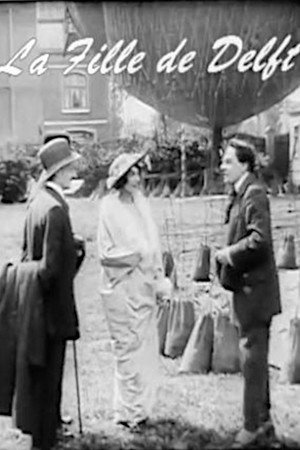


Kaatje, the daughter of the miller Schoonejans, and Jef, a little shepherd, who live near Delft, are happy together. In a floral parade, the carriage the two children have decorated with tulips wins the first prize. The next day, during a thunderstorm, lightning destroys the mill and kills Schoonejans. A life of misery starts for his widow and daughter. Remembering how the theatre manager Boolmans had applauded the dancing of Kaatje and Jef at the floral parade, the widow takes her daughter to Amsterdam, where Boolmans engages Kaatje. The years pass, and Kate has become a famous dancer.
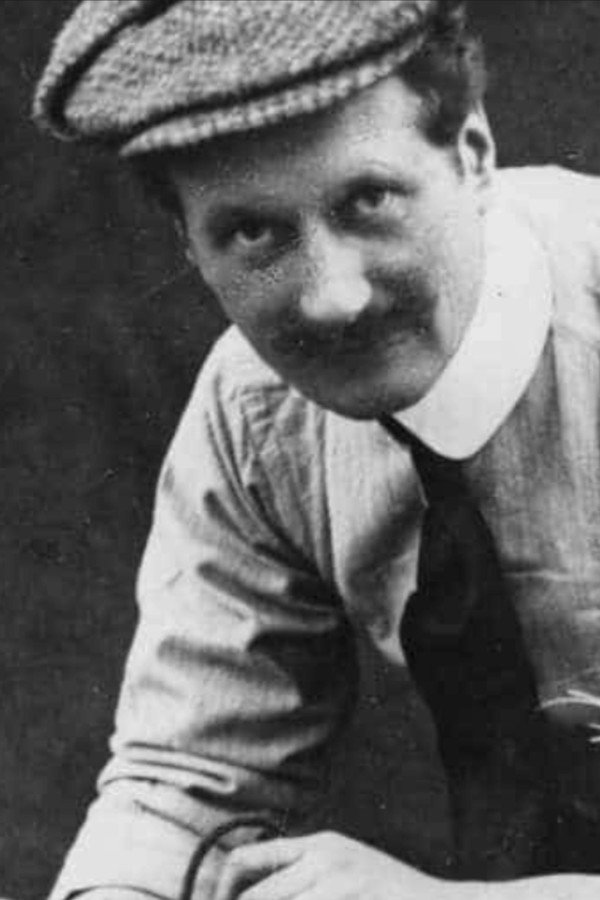
Alfred Machin
Director

Blanche Derval
Ballerina / Ballerine / Ballerina
Henri Goidsen
Ballonvaarder / Balloon Pilot
Harzé
Le meunier

Blanche Montel
Jonge Kaatje / Young Kaatje
Germaine Kaisen
Kaatje Schoonejans

Fernand Gravey
Jonge Jefke / Young Jefke
Richard
Léopold Boolmans
Paule Bréval
Een religieuze / Une réligieuse / A religious one
Max Péral
Un fêtard
Flore Aldile
Duvivier
'Young Royals' is a great example of positive gay representation in its two main protagonists, but the supporting characters are often frustratingly selfish.
A Girl Walks Home Alone At Night, though its feminism may be unintentional, cannot exist without its focus on women reclaiming power. The movie is feminist by definition, even if Amirpour didn’t write it with that in mind. A Girl Walks Home Alone At Night is mesmerizing, poetic, and stunning, both for its portrayal of feminist ideas and its powerful story that is both horrific and subtly romantic at once.
A young boy who runs away from home discovers friendship when he befriends a young dragon in this animated movie.
Love, Simon (2018) based on the book “Simon vs The Homo Sapiens Agenda” (by Becky Albertalli) is a teen LGBTQ+ rom-com with themes of longing to find others with similar struggles, and ultimately is a story of acceptance of identity from those around you, and most importantly, from yourself.
Remakes. Reboots. Reinventions. Redundancy. It's the common practice in Hollywood of late, sometimes offering us victorious reimagining of what can be considered cinematic classics while also, more often, falling flat on their UN-imaginative faces in utter defeat and lackluster results. Admittedly, with this in mind, I went into the newest incarnation of "The War of the Roses" with typical trepidation and cautious optimism.
Dead Poets Society relies on patriarchal tropes such as overbearing fathers, contrived brotherhood, and faux-individuality in order to portray its straight white male characters as oppressed.