




Incluvie – Better diversity in movies.
Identity in film with Incluvie stamps, scores, reviews.

Incluvie – Better diversity in movies.
Explore identity in film with Incluvie stamps, scores, reviews, and insights.

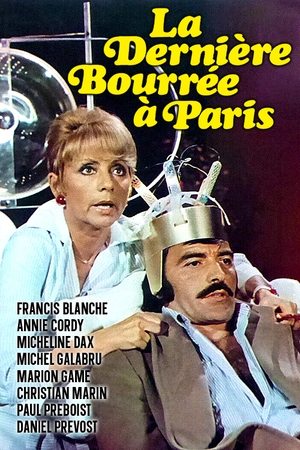
La Dernière Bourrée à Paris poster

La Dernière Bourrée à Paris 

Young Berthe, deeply moved by a cinema screening of the notoriously sultry Le Dernier Tango à Paris, goes to the address where most of the action takes place, a building overlooking the Bir-Hakeim Bridge metro station. Reality suddenly seems to mimic fiction when she discovers not only an apartment advertised for rent, but also a man prostrate in a corner who seems to be waiting for her. Hoping for the same torrid embrace as in the film, she discovers that he is in fact preoccupied only by the apartment's defects. Attempting to embark on a passionate affair, she learns that the man suffers from libido problems.
- / 5
PopScore
Representation

Pictures and Videos


Incluvie Gala

Movie Information


Young Berthe, deeply moved by a cinema screening of the notoriously sultry Le Dernier Tango à Paris, goes to the address where most of the action takes place, a building overlooking the Bir-Hakeim Bridge metro station. Reality suddenly seems to mimic fiction when she discovers not only an apartment advertised for rent, but also a man prostrate in a corner who seems to be waiting for her. Hoping for the same torrid embrace as in the film, she discovers that he is in fact preoccupied only by the apartment's defects. Attempting to embark on a passionate affair, she learns that the man suffers from libido problems.

Rating:
Genre:Comedy
Directed By:Raoul André
Written By:Raoul André, Michel Lebrun
In Theaters:
Box Office:

Runtime:90 minutes
Studio:Albione Produzione, Les Films de la Boétie, Paris-Cannes Productions

Articles You May Like


The Rise of a Kindhearted Comedy Hero: The Anti-Toxic Masculinity Message of Brendan Fraser Films

Throughout Brendan Fraser’s career, he has played a plethora of unique, layered characters who explore the importance of not being afraid to display your emotions, something that is often seen to not be a masculine trait. This idea of regulating emotion and what traits men are able to possess creates a toxic atmosphere for men who are often told they should not cry or represent their emotions in any physical way. These characters represent that men can be joyful, emotionally conscious, and sensitive, while also representing their masculine identity instead of painting those qualities as fighting against their masculinity.

Amanda Mazzillo