






Rallies and Musical Numbers: Hairspray Unpacks Racism in The 1960s
The multifaceted musical represents America in the 1960s and the battle against bigotry as an ensemble cast portrays how to fight for the limelight.
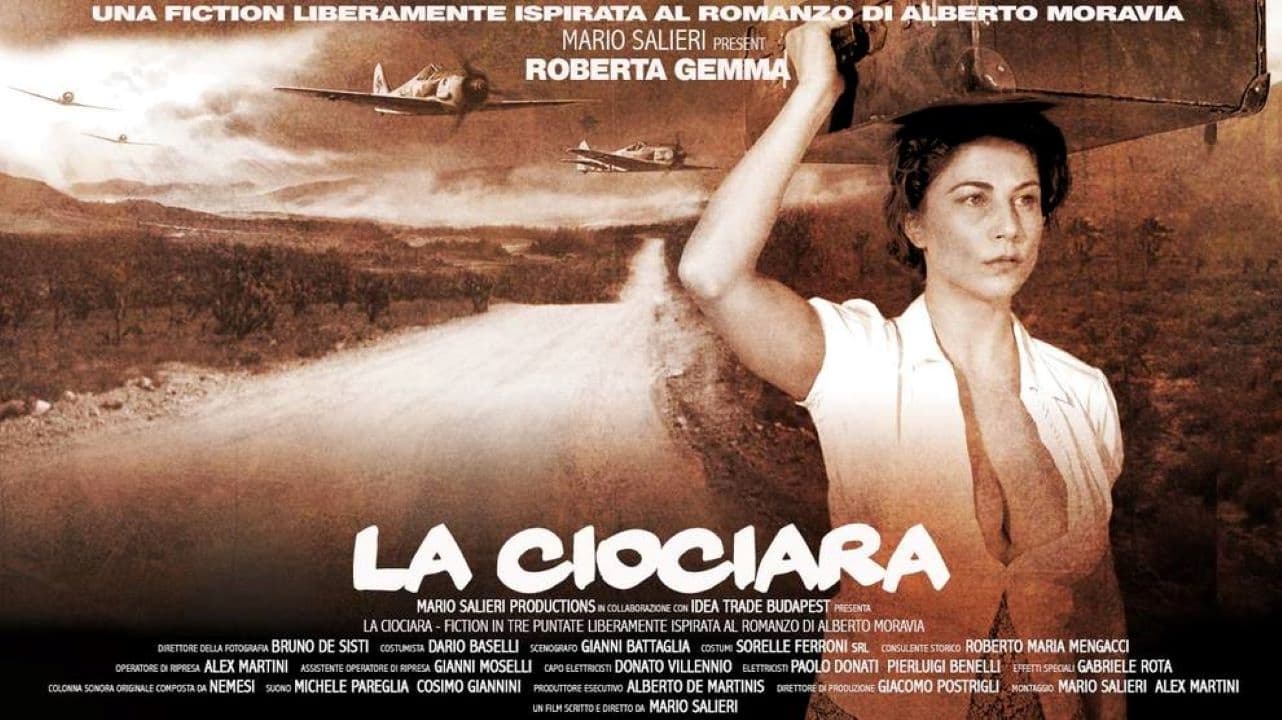



The writer Alberto, supported by his wife Elsa, is writing a novel centered on a common woman from Ciociaria, Cesira, during World War II. The story begins in Rome in 1943, where Cesira is having her teenage daughter Rosetta visit a doctor who, traumatized by the recent Allied bombing of the city, has shut down in total silence. The woman decides to take refuge in the native country of Sant'Eufemia together with her daughter to escape the air raids and the atrocities of the war.
The multifaceted musical represents America in the 1960s and the battle against bigotry as an ensemble cast portrays how to fight for the limelight.
This is not a film, it’s a drop tower. A drop tower that you don’t get off of for the vast majority of its 106-minute runtime.
This is ambitious horror filmmaking, and in a lot of ways, I fully admire its ambitions. For me, the film’s sloppiness defines its overall quality.
Films and TV series often tend to misrepresent or not acknowledge bisexual characters, but recent trends show that bi-erasure is now under deserved scrutiny. So, I’m genuinely happy about the direction bi-representation seems to be taking.
Given a choice between a man and a mountain, it’s safer to choose the mountain.
Did you know that Disney heroes and villains have kids? Check out the Descendants series.