“Tony” is Yet Another Good Biopic
The problem isn’t that it’s bad. It's good. But it fails to stand out from a crowd of similar films.




Niki Stein
Director
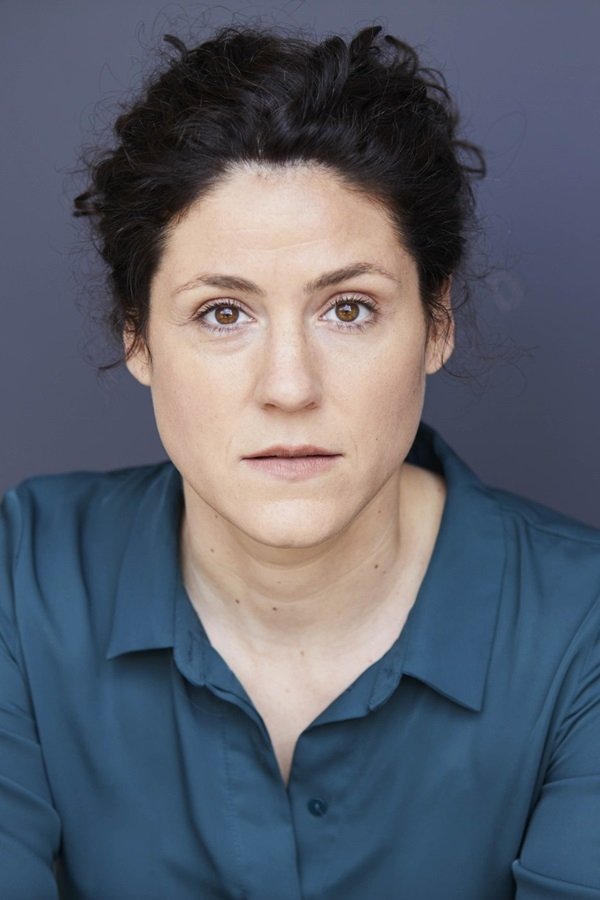
Katharina Hackhausen
Merle Weber
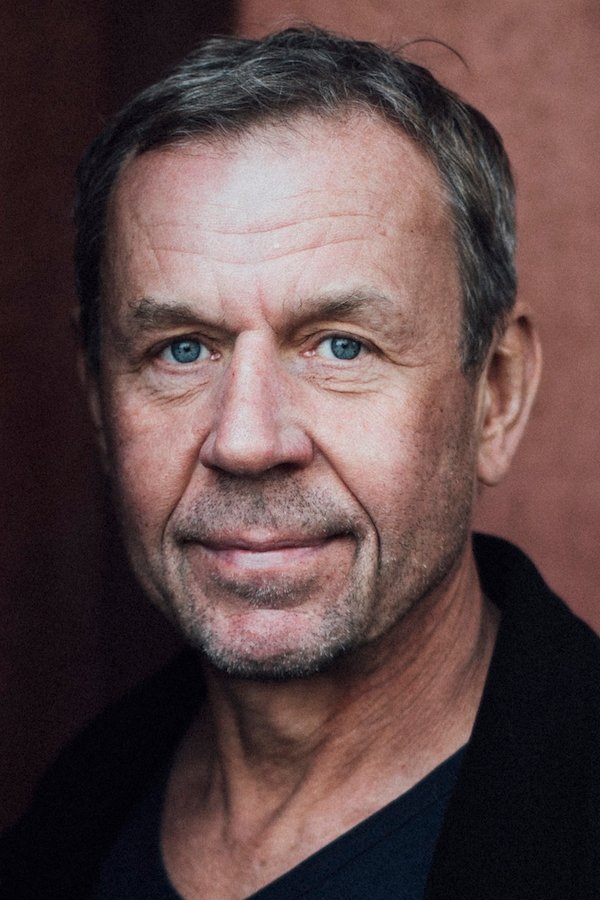
Jörg Pose
Haiko R.
Ragna Pitoll
Natalia Oblomow
Bettina Hoppe
Kerstin Severin

Petra van de Voort
Inga Lundgren

Marie Schöneburg
Mandy
Friederike Bellstedt
Kathie Paschke
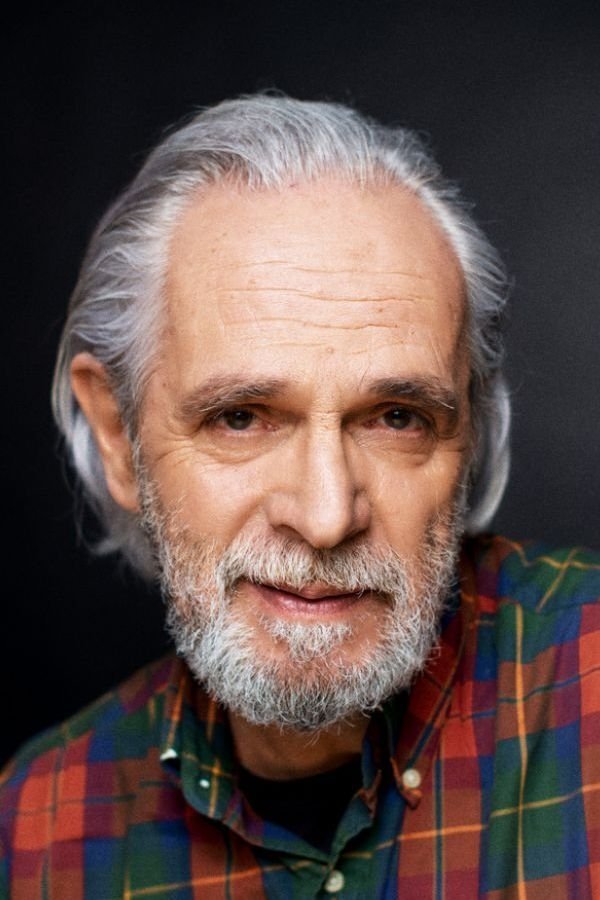
Ulrich Cyran
Walter Pöltlin
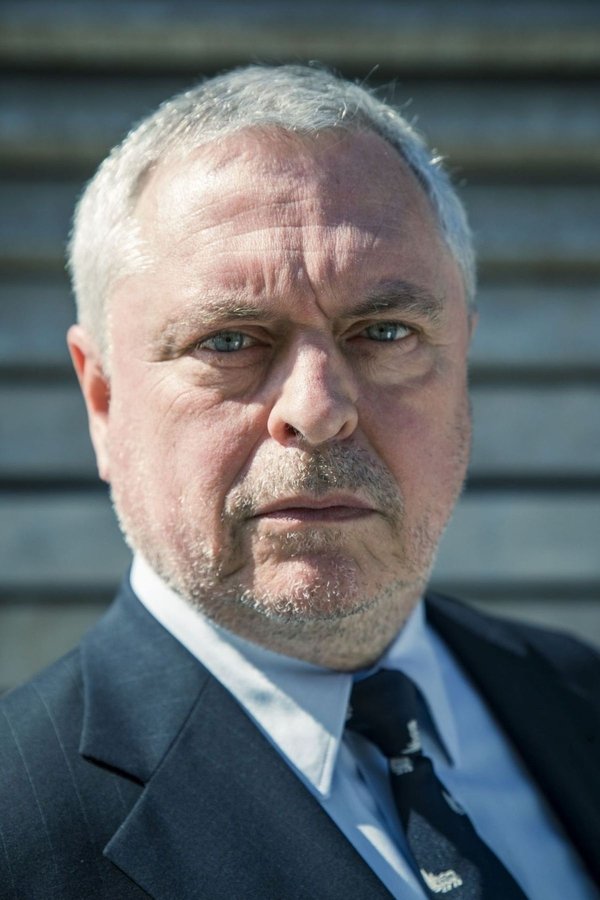
Reinhard Mahlberg
Pressesprecher Bergbauamt
Stefan Mohrbutter
Assistent von Merle Weber

Sophie Pfennigstorf
The problem isn’t that it’s bad. It's good. But it fails to stand out from a crowd of similar films.
This action thriller is made with the hope that the black youth of America will feel empowered, and realize the significance of their heritage.
Ripley is a great character because she serves two distinct, but rewarding, purposes in the original film and the sequel.
“Candyman ain't a 'he.’ Candyman is the whole damn hive." Candyman represents all Black victims of white supremacy, and this art form narratively conveys it in a succinct, adulatory way, the history of which is rare to find.
Documented human suffering is never easy to view or read about and is understandably triggering for many people, but it can be educational, and education is a key to change. An overwhelming amount queer people worldwide (and in my own country) have it far worse than I could imagine, and documentaries such as Welcome to Chechnya bring issues to light that certain groups of people would never see.
Him is visually stunning—all concrete cathedrals and bone-rattling impact shots that look like a nightmare highlight reel. Marlon Wayans is magnetic as this legendary quarterback who's basically selling salvation with a smile that never quite reaches his eyes. But the story keeps running in circles: more tests, more cryptic pep talks, more ritualistic drills. The sports-as-religion metaphor beats you over the head when subtlety would've been more effective. The middle drags, and that finale chooses spectacle over substance. It's undeniably stylish, but left me cold. Also worth noting: despite the Monkeypaw connection, this isn't actually a Jordan Peele film—he didn't write or direct.