


Don’t Give Disney a Pat on the Back for Doing the Bare Minimum
Disney has cleverly managed to dance around the misdeeds of their past by scraping by with an insincere action that does very little to incite any long-lasting positive changes.

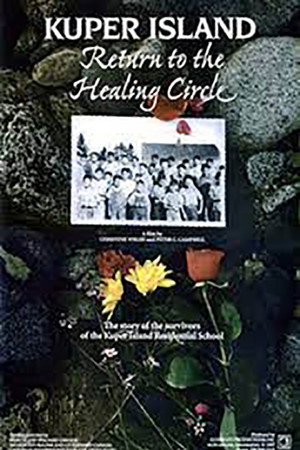
This moving docu-drama explores the destructive effects Kuper Island Residential School had on the hundreds of Indigenous children sent there by government agents for almost a century. Now, twenty years after the school was closed, survivors of Kuper Island are embarking on a spiritual journey on Vancouver Island's Tsartlip Reserve to begin healing the deep psychological wounds inflicted by their residential school experience.
Disney has cleverly managed to dance around the misdeeds of their past by scraping by with an insincere action that does very little to incite any long-lasting positive changes.
This is not a slavery story, it is a freedom story. The viewers only see Harriet as a slave for the first few minutes of the film. To me, it felt like watching the origin story of a superhero…which is both good and bad.
The character of Mulan is one of Disney’s best heroines. She’s brave, kicks butt, and has a kill count. What other Disney character has killed hundreds of Huns by crushing them with an avalanche? No one.
Him is visually stunning—all concrete cathedrals and bone-rattling impact shots that look like a nightmare highlight reel. Marlon Wayans is magnetic as this legendary quarterback who's basically selling salvation with a smile that never quite reaches his eyes. But the story keeps running in circles: more tests, more cryptic pep talks, more ritualistic drills. The sports-as-religion metaphor beats you over the head when subtlety would've been more effective. The middle drags, and that finale chooses spectacle over substance. It's undeniably stylish, but left me cold. Also worth noting: despite the Monkeypaw connection, this isn't actually a Jordan Peele film—he didn't write or direct.
The multifaceted musical represents America in the 1960s and the battle against bigotry as an ensemble cast portrays how to fight for the limelight.
Making Apes begins by looking back at the history of makeup effects in Hollywood, which was revolutionized by Jack Pierce, the person behind Frankenstein (1931) and The Wolf Man (1941)